Quote · Added 14 February 2026
Nature does nothing in vain.
AristotleNature does not do anything in vain, Wikipedia
Filed undernature·purpose·efficiency
Quote · Added 14 February 2026
Filed undernature·purpose·efficiency
We often treat nature like it's broken—something to optimize or fix. A weed is just a plant in the wrong place. An insect is a pest. But Aristotle's observation points at something we keep forgetting: those "useless" things probably aren't. The weed stabilizes soil. The insect pollinates or feeds something up the chain. Even our appendix, which doctors once removed as vestigial garbage, turns out to matter for our immune system.
This idea gets more useful when we turn it inward. That anxiety you feel before something important? Probably not a malfunction—it's preparation. The procrastination that frustrates you? Often it's your brain protecting you from something (fear, perfectionism, burnout). The awkward small talk you hate? It's actually how humans build trust and connection. Instead of assuming these are design flaws we should eliminate, what if we asked what they're actually doing for us?
The real shift happens when you stop seeing yourself and the world as problems needing solutions. It doesn't mean accepting everything as perfect—but it does mean looking closer before you dismiss something as pointless. Most of the time, there's a reason it's there.
d. 322
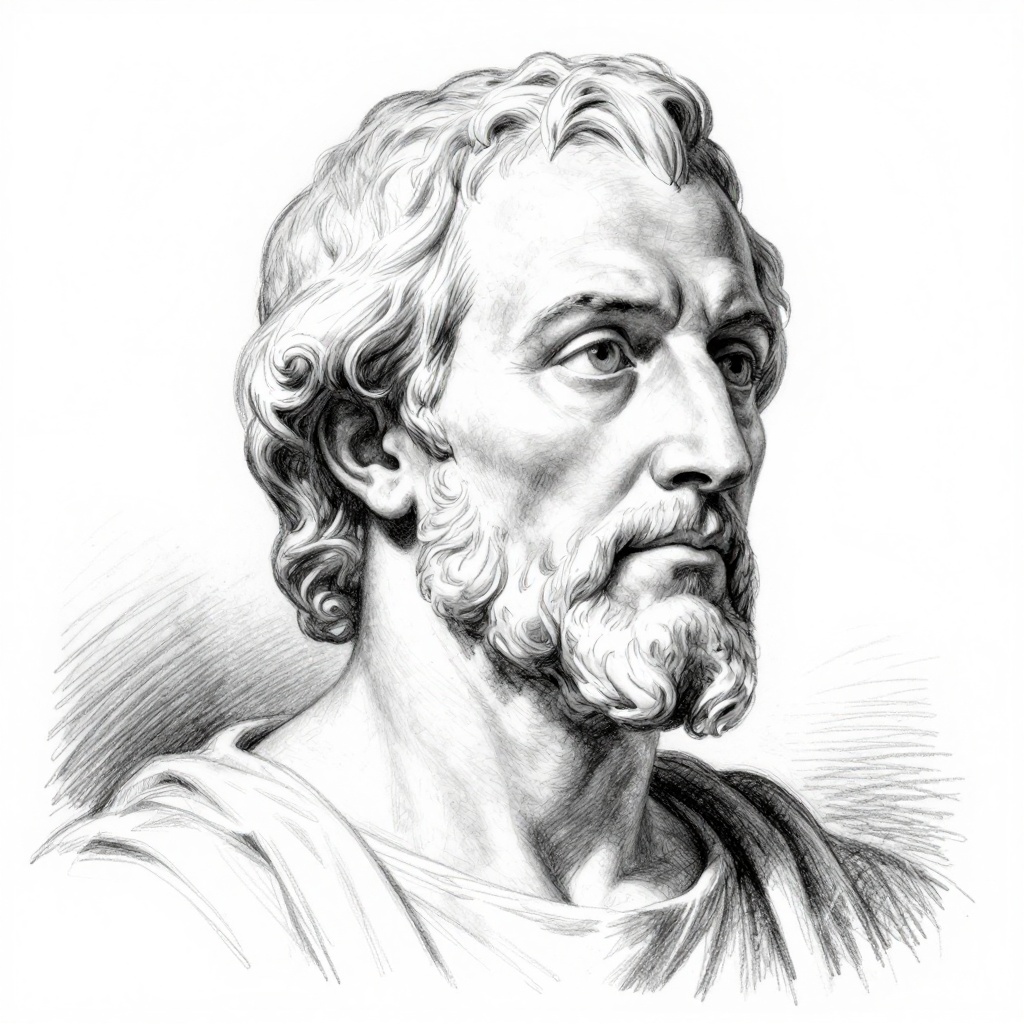
Aristotle was a Greek philosopher and polymath who lived from 384 to 322 BC. He is known for being one of the greatest thinkers in Western philosophy and for his contributions to a wide array of subjects including metaphysics, ethics, politics, biology, and logic. Aristotle was a student of Plato and the teacher of Alexander the Great.
Comments