Quote · Added 14 February 2026
Man is the only animal capable of reasoning, though many others possess the faculty of memory and instruction in common with him.
AristotleHistory of Animals, Book I
Filed underreasoning·memory·comparison
Quote · Added 14 February 2026
Filed underreasoning·memory·comparison
We tend to treat reasoning as humanity's trump card—the thing that separates us from everything else. But Aristotle's point here is subtler and more useful than that. He's not saying animals are dumb. He's saying that reasoning, the ability to step back and think about what we've learned, is distinctly ours. A dog can remember that the vet is scary and learns to hide when you grab the leash. But only humans can sit down and think: "Why am I afraid? Is this fear still serving me? What would happen if I challenged it?"
That distinction matters because it explains why we're so bad at change. We accumulate memories and habits constantly—we learn what works, what doesn't, what's safe. But we rarely use our actual reasoning capacity to examine whether any of it still makes sense. We do things the same way because we've always done them that way, which isn't a reason; it's just memory wearing a disguise. The animal in us is perfectly content with that. The human part—the part with reasoning—has to actively choose to engage it.
The uncomfortable truth is that reasoning isn't something we automatically do. It's something we have to deliberately turn on, usually when something forces us to stop and think.
d. 322
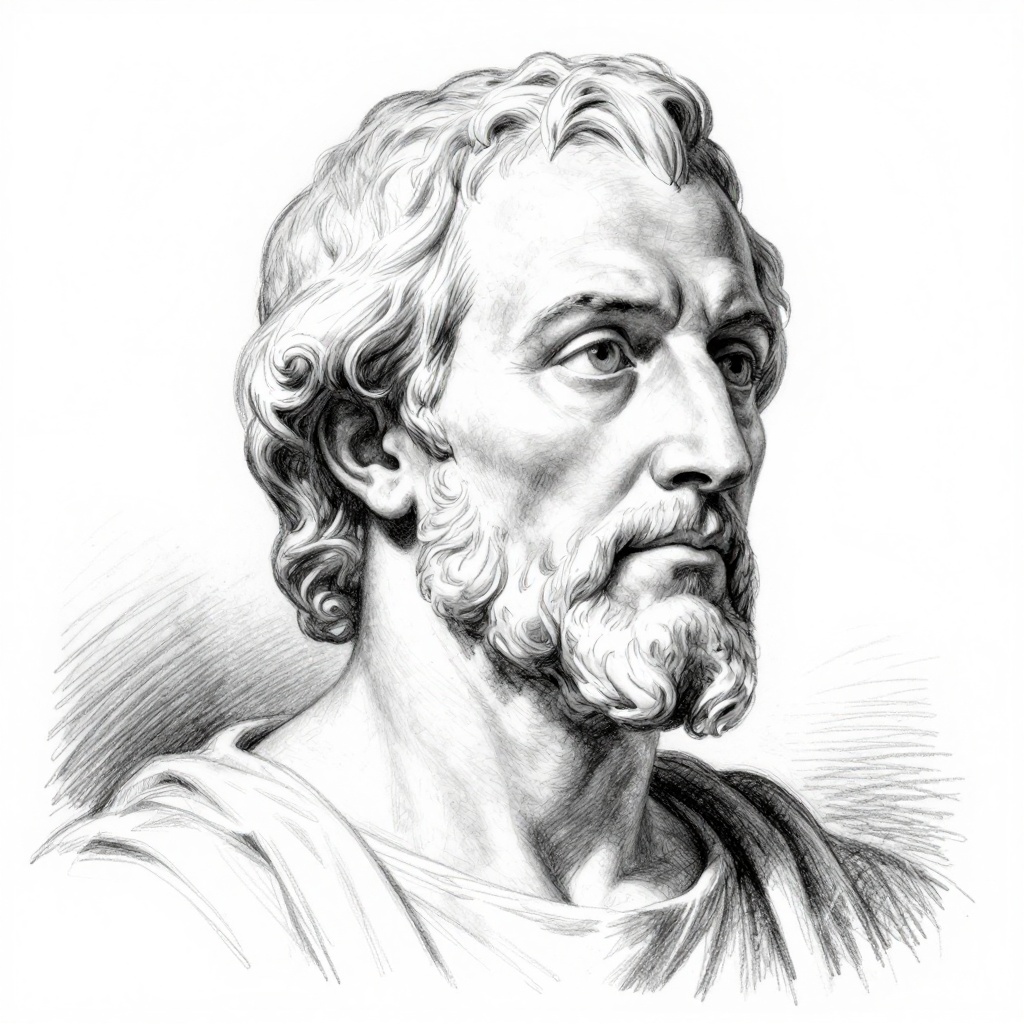
Aristotle was a Greek philosopher and polymath who lived from 384 to 322 BC. He is known for being one of the greatest thinkers in Western philosophy and for his contributions to a wide array of subjects including metaphysics, ethics, politics, biology, and logic. Aristotle was a student of Plato and the teacher of Alexander the Great.
Comments