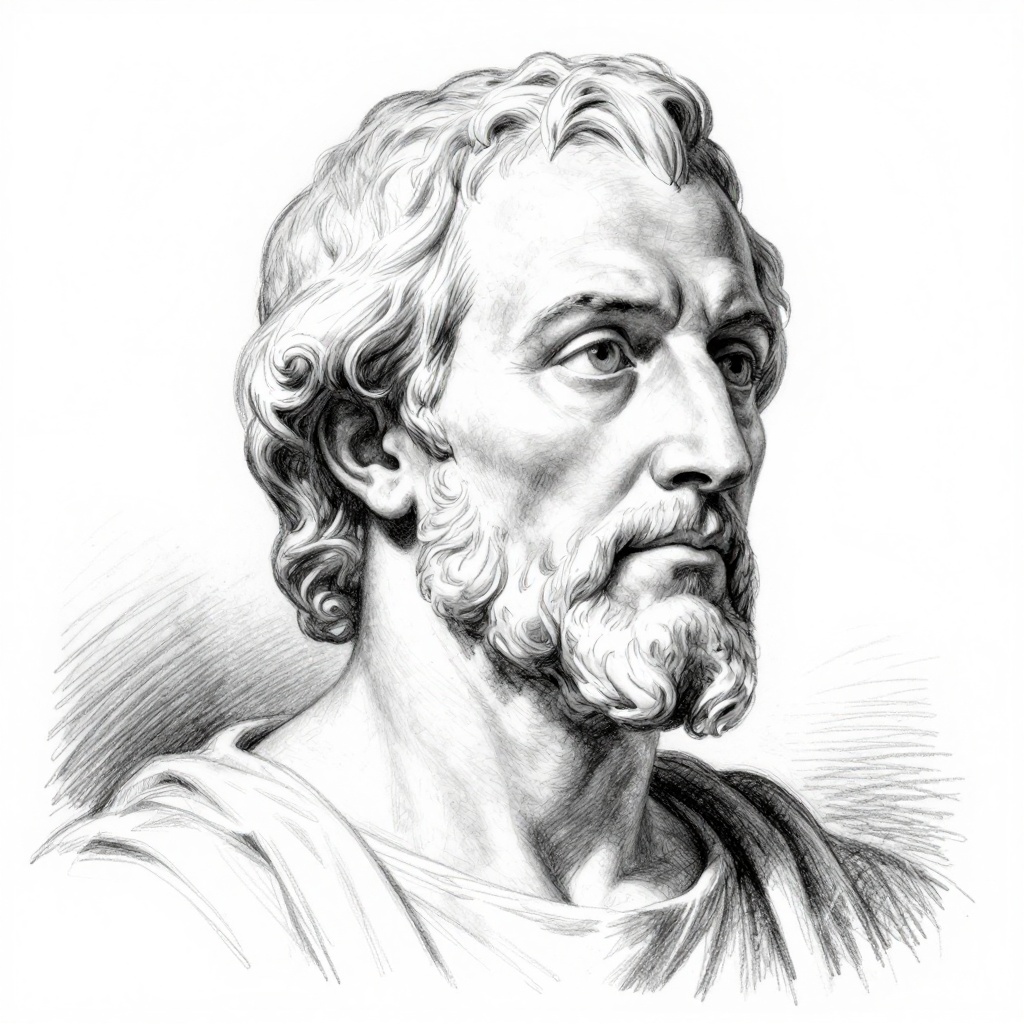
Love is composed of a single soul inhabiting two bodies. — Aristotle
Love is composed of a single soul inhabiting two bodies.
Author: Aristotle
Insight: There's something almost uncomfortable about this idea at first—the suggestion that real love means losing yourself into someone else. But Aristotle isn't quite saying you disappear. He's describing something closer to how two people can become so aligned, so attuned to each other's rhythms, that they start functioning as one coherent thing. You finish each other's sentences not because you're predictable, but because you've genuinely absorbed how the other person thinks. What makes this different from just "being close" is the word single. Not two souls getting along nicely, but one soul split across two people. It explains why losing someone who matters this way doesn't just hurt—it breaks something foundational about how you navigate the world. You're not missing a companion; you're missing a part of your own operating system. The tricky part is that this kind of union isn't something you can force or rush into. It emerges from years of real attention and vulnerability, from letting someone into the machinery of who you are. In our swipe-fast culture, we often mistake intensity or chemistry for this deeper integration. But Aristotle's image suggests that true love is quieter than that—less fireworks, more recognition that you and another person have somehow become one functional unit.
Source: Nicomachean Ethics, VIII.5