Quote · Added 19 February 2026
Reading
AI generatedWhen Confidence Outpaces Experience
There's something refreshing about a young person who knows what they don't know yet. When someone in their twenties speaks with absolute certainty about how life works—laying down rules, declaring universal truths, acting like they've figured it all out—it lands differently than when someone older does the same thing. We sense the pretense in it, a borrowed confidence that hasn't been tested by actual living.
Aristotle's point isn't that young people should stay silent. It's that there's a particular kind of arrogance in packaging your limited experience into definitive statements about how things "always" are. Life hasn't had enough chances to prove you wrong yet. You haven't been through enough seasons, enough failures, enough unexpected plot twists to understand the exceptions and contradictions that actually matter.
What's interesting is how this applies today, maybe even more than in his time. We live in an age where young people can broadcast their maxims instantly to thousands—turning half-formed opinions into stated principles at unprecedented scale. The wisdom isn't in staying quiet. It's in recognizing the difference between exploring an idea and declaring it as truth. There's genuine power in saying "I'm still figuring this out" rather than "Here's how it is."
The author
All 82 quotes by Aristotle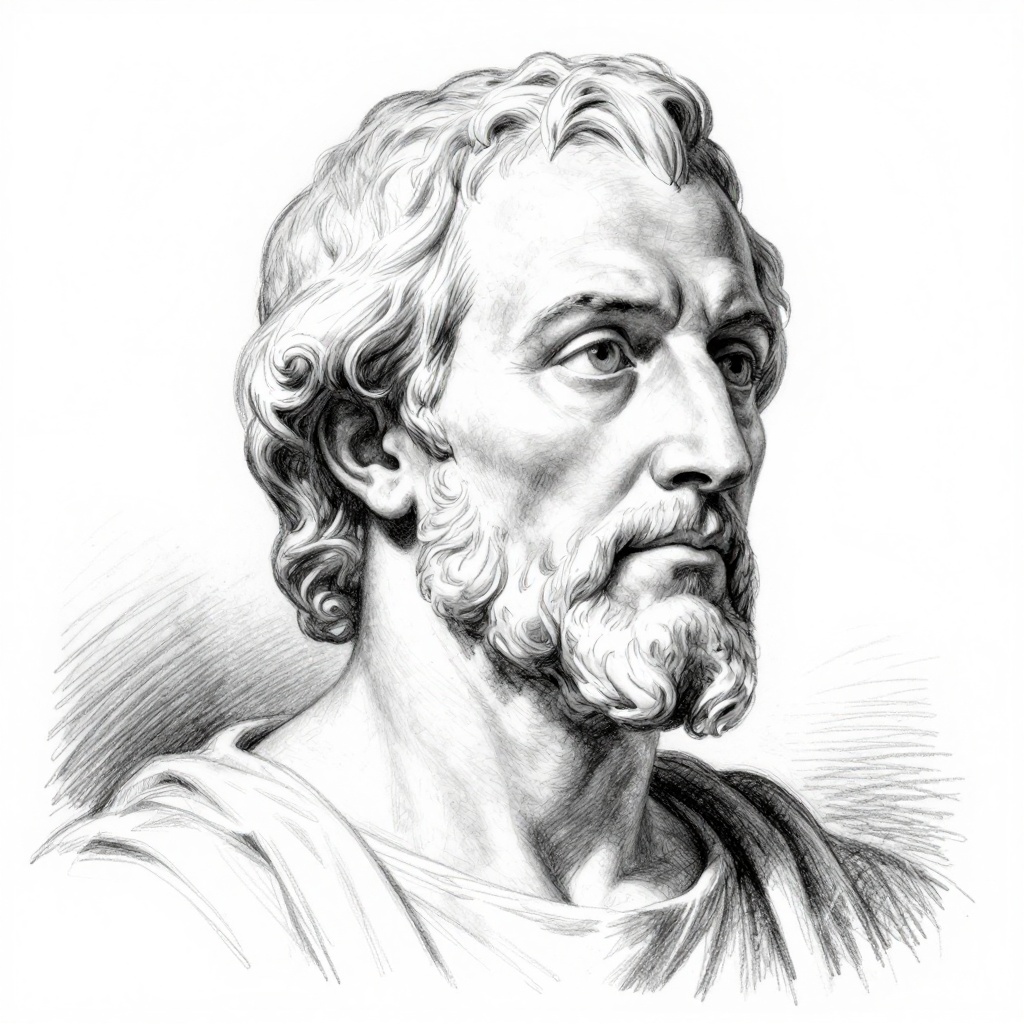
Aristotle
d. 322
Aristotle was a Greek philosopher and polymath who lived from 384 to 322 BC. He is known for being one of the greatest thinkers in Western philosophy and for his contributions to a wide array of subjects including metaphysics, ethics, politics, biology, and logic. Aristotle was a student of Plato and the teacher of Alexander the Great.
Comments