Quote · Added 14 February 2026
Fear is pain arising from the anticipation of evil.
AristotleNicomachean Ethics, Book 3, 350 BC
Filed underfear·pain·anticipation
Quote · Added 14 February 2026
Filed underfear·pain·anticipation
We usually think of fear as a sudden jolt—that startle when something unexpected happens. But Aristotle points to something quieter and more insidious: fear is actually the pain we create by imagining what might go wrong. It's the difference between an actual problem and the suffering we inflict on ourselves by rehearsing it endlessly in our minds.
This distinction matters because it reveals something we can actually control. You can't always prevent bad things from happening, but you can observe the difference between what's real right now and what you're anticipating. That anxiety about a conversation you need to have, the dread about a medical test, the worry that you're falling behind—these aren't responses to present danger. They're the pain of living in a future that hasn't arrived yet.
The practical insight here is almost heretical: sometimes our fear is worse than whatever we're afraid of will actually be. Not always, but often enough that it's worth noticing. The thing you're dreading might be manageable, or it might never happen at all. But the anticipatory suffering? That's guaranteed, happening right now, in your body and mind. Recognizing that gap—between what is and what you're imagining—is the first real tool for dealing with fear.
d. 322
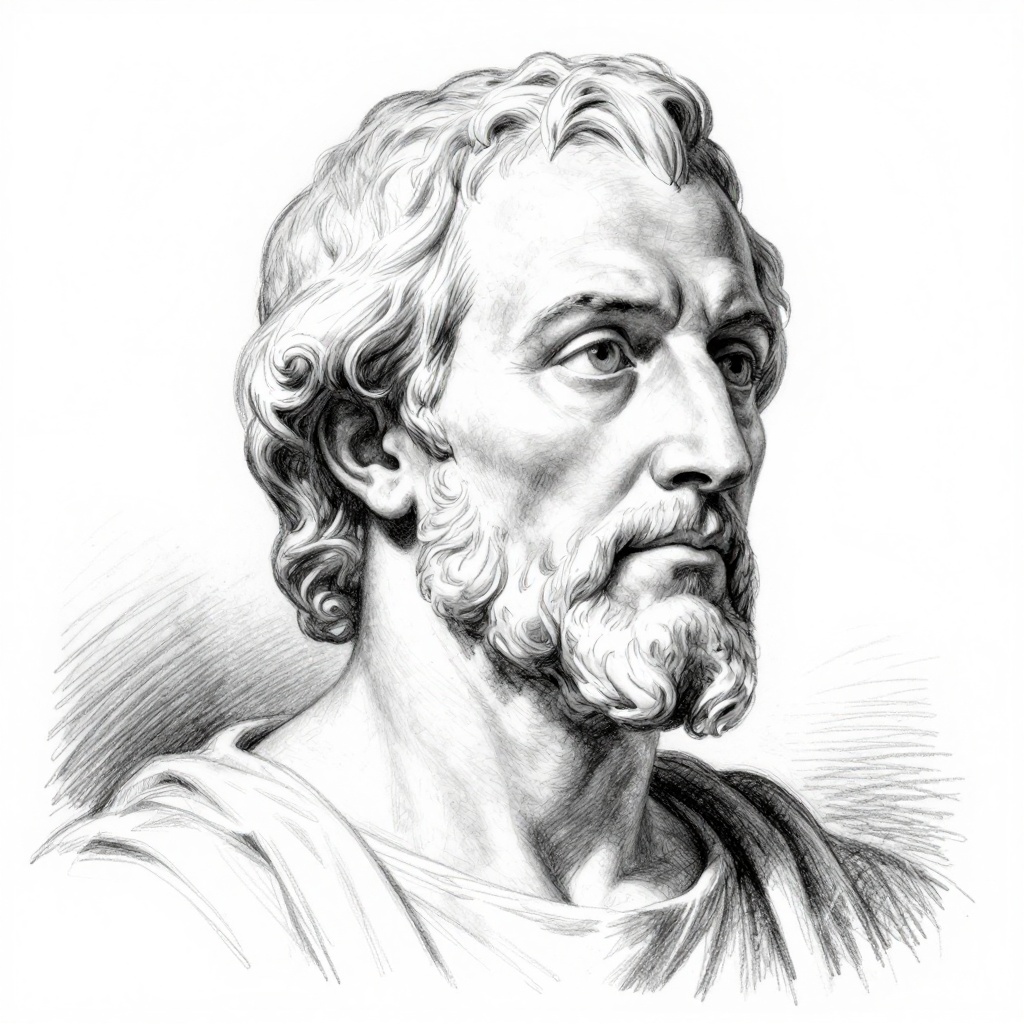
Aristotle was a Greek philosopher and polymath who lived from 384 to 322 BC. He is known for being one of the greatest thinkers in Western philosophy and for his contributions to a wide array of subjects including metaphysics, ethics, politics, biology, and logic. Aristotle was a student of Plato and the teacher of Alexander the Great.
Comments