Quote · Added 14 February 2026
Dignity does not consist in possessing honors, but in deserving them.
AristotleNicomachean Ethics, 2000
Quote · Added 14 February 2026
There's a quiet power in knowing the difference between having something and earning it. We live in an age obsessed with appearances—credentials on LinkedIn, follower counts, job titles that sound impressive at parties. But Aristotle's point cuts deeper: real dignity isn't what you display. It's what you've actually done to warrant respect, and more importantly, what you know about yourself in private moments when no one's watching.
This matters because the gap between deserving and possessing creates a kind of internal tension everyone feels. You can land a promotion through luck or timing and feel hollow. You can dress well and speak confidently while doubting your actual competence. But when you've genuinely worked to improve yourself, to keep your word, to handle difficulty with integrity—that's where dignity lives. It's not performative. No one needs to verify it for you to know it's real.
The trickiest part? Deserving honors often means doing good work when recognition isn't guaranteed. It means building skill when no one's keeping score, treating people well when you could get away with less, staying true to your word in small moments. That's where dignity is actually forged. The honors, if they come, are almost secondary.
d. 322
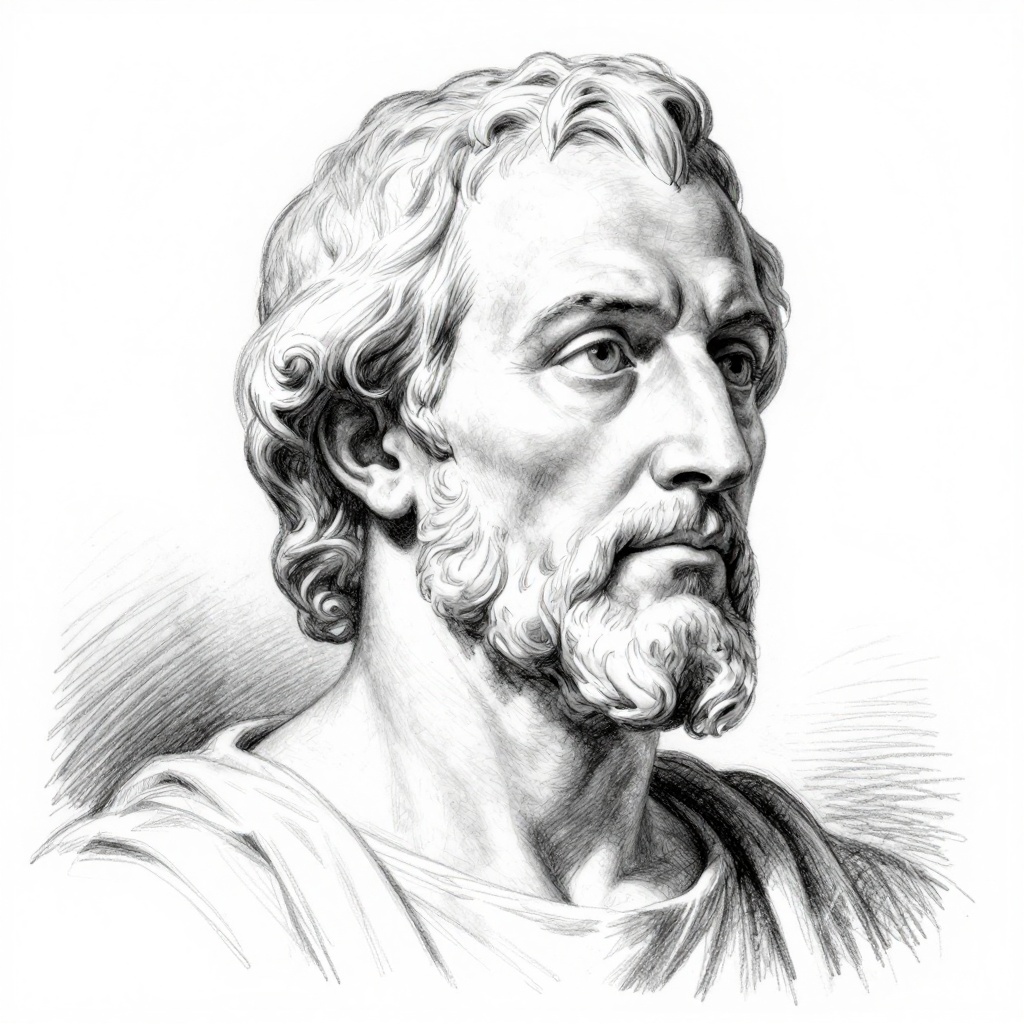
Aristotle was a Greek philosopher and polymath who lived from 384 to 322 BC. He is known for being one of the greatest thinkers in Western philosophy and for his contributions to a wide array of subjects including metaphysics, ethics, politics, biology, and logic. Aristotle was a student of Plato and the teacher of Alexander the Great.
Comments