Quote · Added 14 February 2026
At his best, man is the noblest of all animals; separated from law and justice he is the worst.
AristotlePolitics, Book I, 350 BC
Quote · Added 14 February 2026
We like to think of ourselves as naturally good, or naturally bad—as if morality is something we're born with. But Aristotle's point is stranger and more useful: we're genuinely malleable. The same human capacity for reason, creativity, and connection that lets us build cathedrals and comfort strangers also lets us justify terrible things when nobody's watching or when the structure holding us accountable disappears.
Think about how you behave differently in different settings. You're probably kinder when someone might find out, more honest when there's a system in place to catch you. That's not hypocrisy exactly—it's just recognizing that we're social creatures who need scaffolding. Remove the scaffolding—the laws, the community accountability, the shared sense of fairness—and something shifts in people. History is full of ordinary, decent individuals doing extraordinary harm once those guardrails came down.
The uncomfortable truth here is that nobility isn't something we possess like height or eye color. It's something we practice, something we're held to, something we maintain through systems and mutual expectation. That means your goodness isn't just your personal choice—it's also built on the structures around you.
d. 322
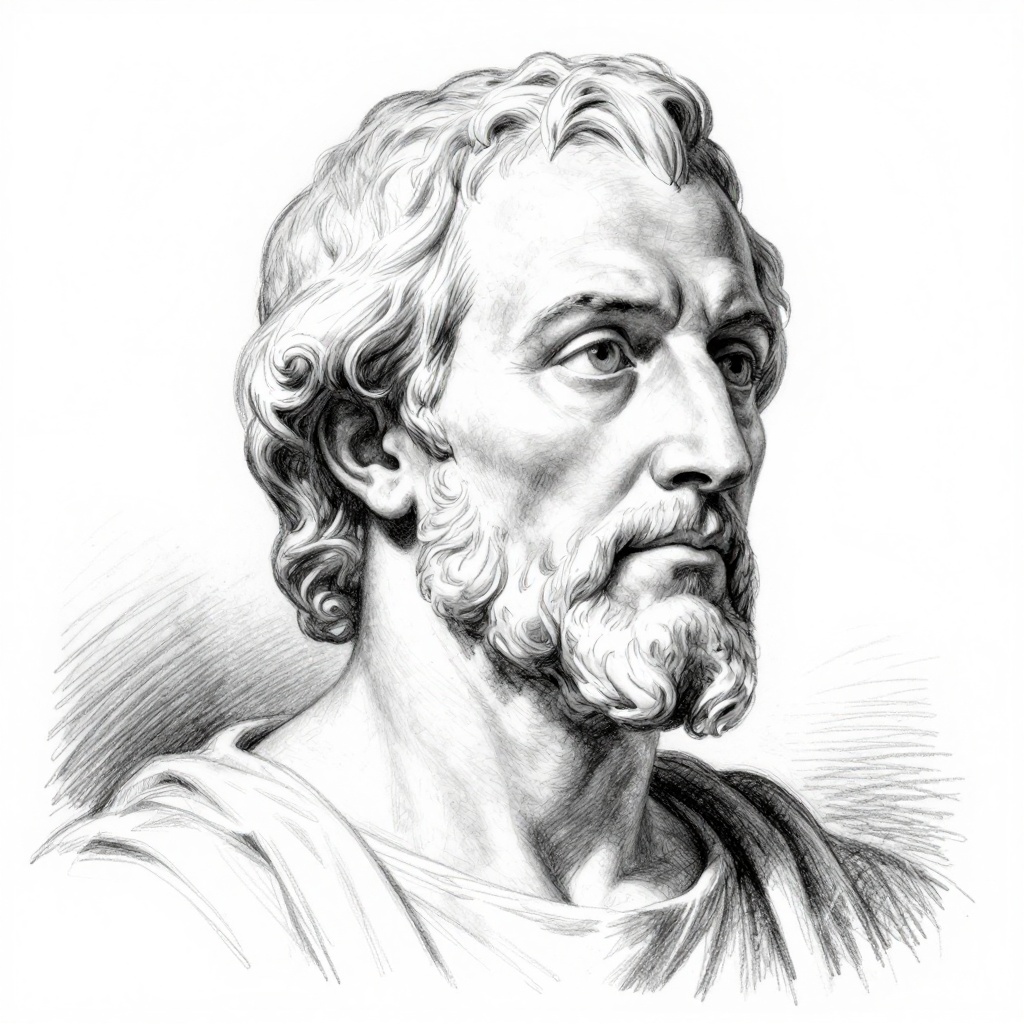
Aristotle was a Greek philosopher and polymath who lived from 384 to 322 BC. He is known for being one of the greatest thinkers in Western philosophy and for his contributions to a wide array of subjects including metaphysics, ethics, politics, biology, and logic. Aristotle was a student of Plato and the teacher of Alexander the Great.
Comments