Quote · Added 10 February 2026
A friend to all is a friend to none.
AristotleNicomachean Ethics, Book IX, 4
Filed underfriendship·loyalty·authenticity
Quote · Added 10 February 2026
Filed underfriendship·loyalty·authenticity
There's a quiet desperation in trying to be everyone's person. You say yes to every invitation, keep your controversial opinions private, never disappoint, always show up. The logic feels sound—more friendships, more belonging, more safety in numbers. But something gets lost in the translation. Your actual self becomes a blur.
Real friendship requires a kind of commitment that's actually impossible to scale infinitely. It means being willing to disagree with someone, to prioritize them over others sometimes, to let them see the parts of you that aren't universally likeable. When you're busy being palatable to everyone, you're never fully showing up for anyone. The people around you never get the real thing—they get the diplomatic version, the calculated version, the person optimized for mass appeal rather than genuine connection.
The irony is that people are drawn to those who seem to actually stand for something, not those who stand for nothing in particular. Being selectively loyal, having real preferences, even having edges that don't work for everyone—that's actually what makes friendship feel like something worth having. It's the difference between being liked by many and truly known by a few.
d. 322
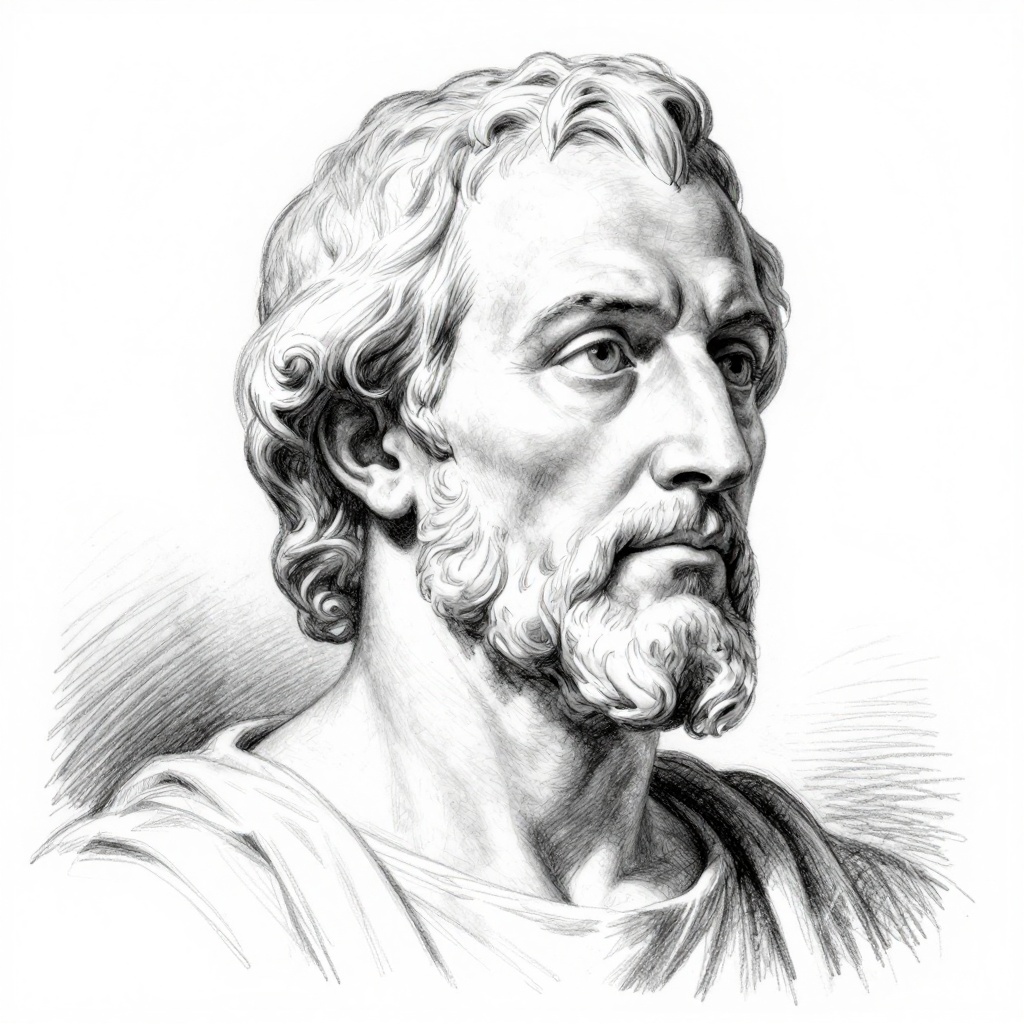
Aristotle was a Greek philosopher and polymath who lived from 384 to 322 BC. He is known for being one of the greatest thinkers in Western philosophy and for his contributions to a wide array of subjects including metaphysics, ethics, politics, biology, and logic. Aristotle was a student of Plato and the teacher of Alexander the Great.
Comments