Quote · Added 14 February 2026
Money speaks sense in a language all nations understand.
Filed undermoney·communication·universal
Quote · Added 14 February 2026
Filed undermoney·communication·universal
There's something oddly liberating about accepting that money is just a universal translator. While we might wish the world ran on pure principles or good intentions, the stubborn reality is that financial incentives cut through cultural noise faster than anything else. A company won't suddenly care about worker safety because it's morally right, but a lawsuit or market pressure targeting their profit margin? That gets immediate attention. It's not cynical—it's just how leverage works.
What makes this observation surprisingly useful is recognizing when money is working in your favor versus against you. When you're negotiating a salary, asking for a raise, or trying to get a contractor to actually finish a job, speaking in terms of what matters financially often works better than appeals to fairness or desperation. Money removes ambiguity. It removes the need to convince someone of your worth through emotional reasoning. They either see the financial sense or they don't.
The flip side is remembering that this very universality can make money-driven systems feel soul-crushing if you let them define everything. Knowing that money speaks doesn't mean you should only speak that language. But understanding its power? That's just being fluent in how the world actually moves.
1640–1689·lived 48 years
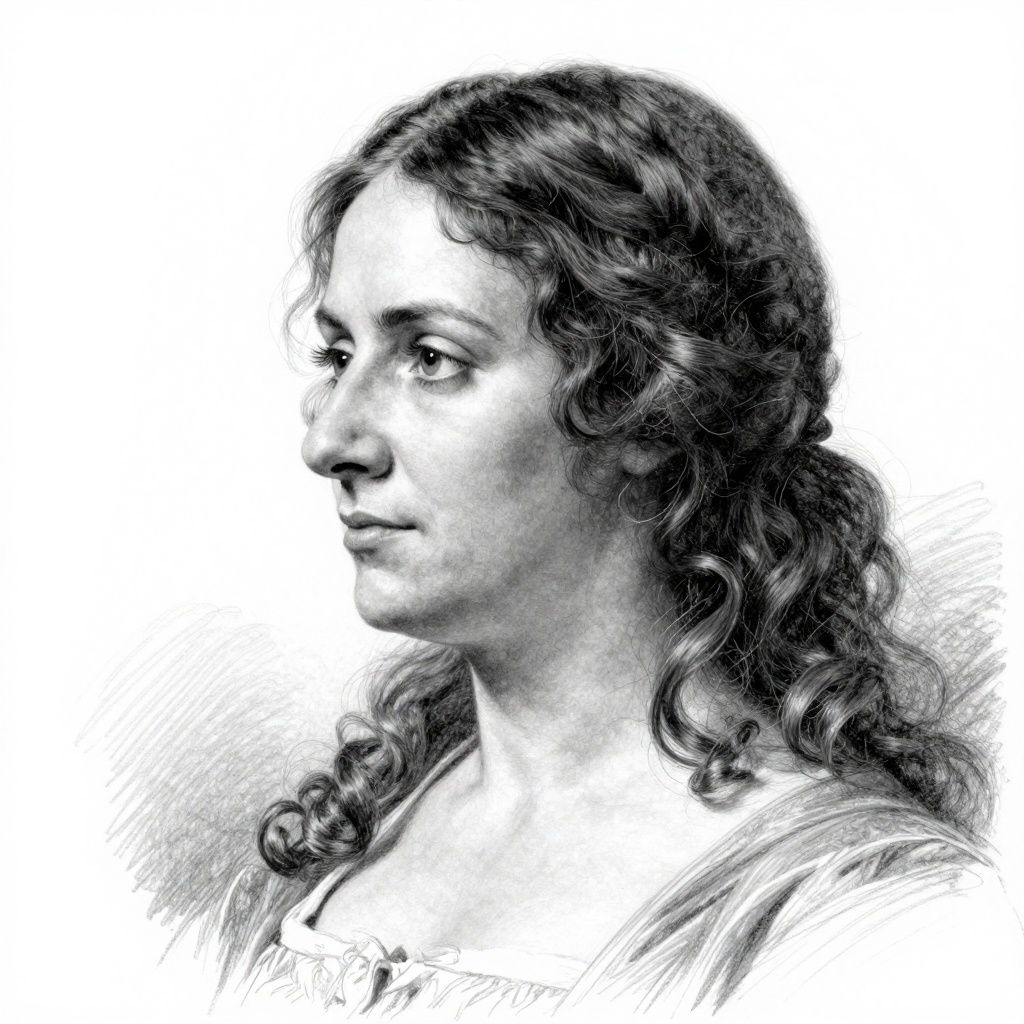
Aphra Behn (1640-1689) was an English playwright, poet, and novelist, widely regarded as one of the first professional female writers in the English language. She is best known for her daring plays and novels, including "Oroonoko," which explores themes of race and colonialism, as well as her contributions to the Restoration literary scene. Behn's work laid the groundwork for future generations of women writers and is celebrated for its bold exploration of gender and sexuality.
Comments