Quote · Added 15 February 2026
Reading
AI generatedQuality destroys the time equation
There's something almost defiant about this idea—that quality can matter infinitely more than quantity. We're usually told that time is time, that consistency and accumulation are what build a life. But anyone who's experienced real connection knows otherwise. An hour with someone you genuinely love can feel more alive, more real, than months of routine existence. It rewires how you understand what living even means.
The tricky part is that modern life tries to convince us otherwise. We're trained to optimize everything, to treat all moments as fungible—equivalent units to be managed and maximized. But love (and joy, and deep presence) doesn't work that way. It crashes through that logic. It says some moments are disproportionately worth living for, and that recognizing this isn't wasteful or impractical. It's actually clear-eyed about what makes existence feel meaningful.
This doesn't mean ignoring the everyday. It means understanding why people rearrange their whole lives for someone, or why they remember one perfect afternoon decades later. It's permission to stop treating happiness as a luxury item you'll get to eventually, and to start seeing those rare, luminous hours as the real substance of a life well-lived. The ordinary moments matter too, but they matter partly because of how they contrast with the extraordinary ones.
The author
All 3 quotes by Aphra Behn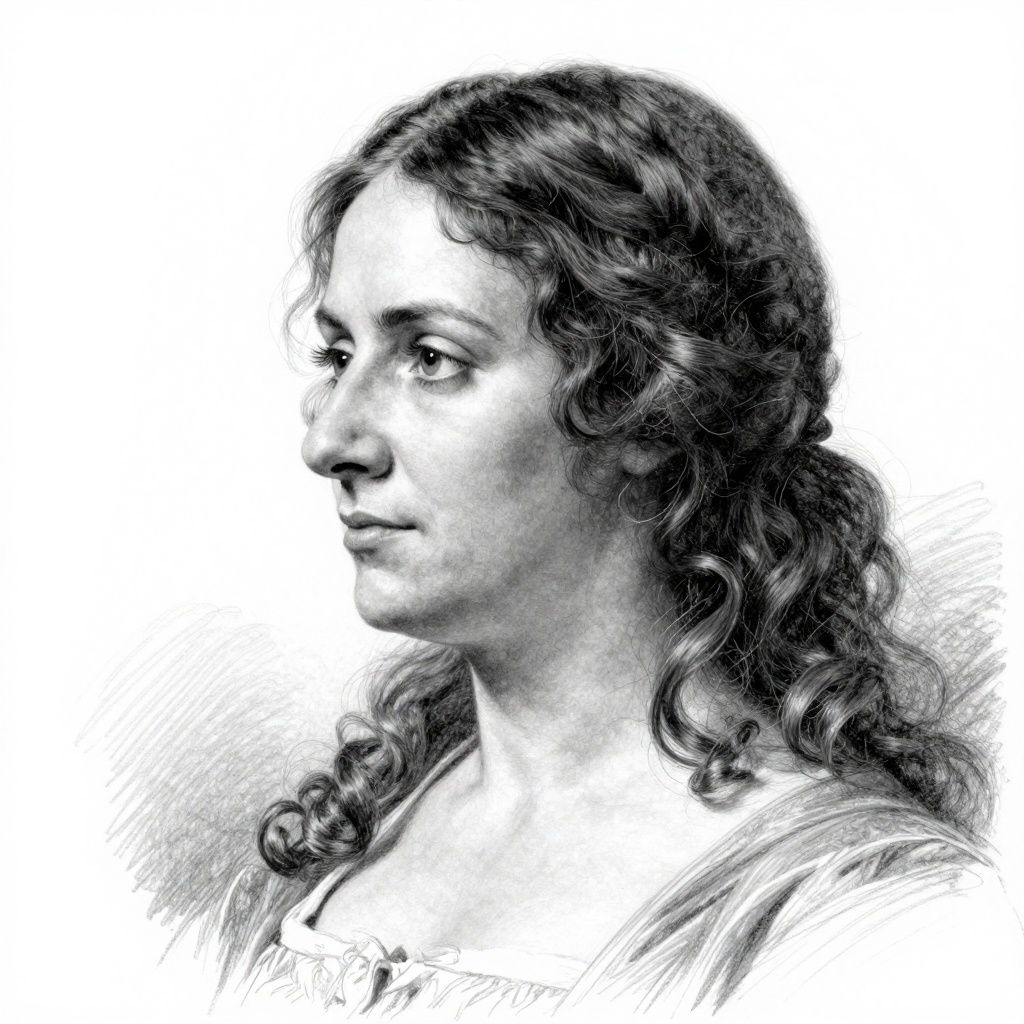
Aphra Behn
1640–1689·lived 48 years
Aphra Behn (1640-1689) was an English playwright, poet, and novelist, widely regarded as one of the first professional female writers in the English language. She is best known for her daring plays and novels, including "Oroonoko," which explores themes of race and colonialism, as well as her contributions to the Restoration literary scene. Behn's work laid the groundwork for future generations of women writers and is celebrated for its bold exploration of gender and sexuality.
Also by Aphra Behn
Money speaks sense in a language all nations understand.
Comments