Quote · Added 13 February 2026
Love ceases to be a pleasure when it ceases to be a secret.
Aphra BehnLa Montre, or The Lover's Watch, 1686
Quote · Added 13 February 2026
There's something magnetic about things we keep close to our chest. A new relationship feels thrilling partly because it's yours alone—something you're choosing not to broadcast, not to defend, not to turn into anyone else's business yet. The moment love becomes public, becomes official, becomes something you're expected to perform or explain, some of that private electricity genuinely does disappear.
But here's what's tricky: we live in an age where keeping things secret feels almost impossible. Social media has trained us to announce everything, to make it real by making it visible. There's real pressure to go public quickly, to validate a relationship by displaying it. What Behn is pointing at is that we've perhaps lost something important in that shift—the idea that intimacy actually requires some boundaries, some mystery, even some selfishness about keeping something just for yourself.
The insight isn't that secrecy itself is the point. It's that love needs some protected space to breathe, away from judgment, advice, and the weight of other people's opinions. The pleasure comes partly from that privacy—from having something so real that you don't need to constantly justify or prove it to anyone. Sometimes the most loving thing we can do is resist the urge to turn our relationships into public narratives.
1640–1689·lived 48 years
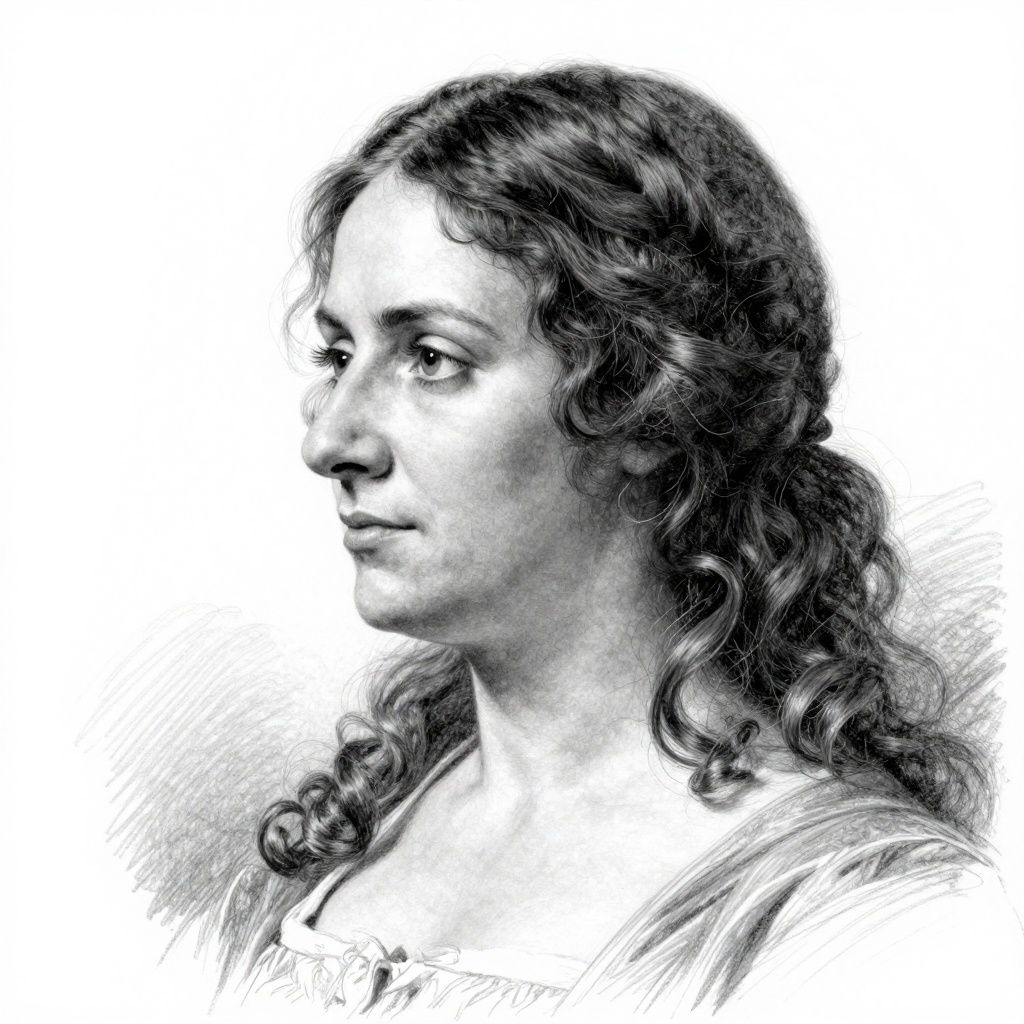
Aphra Behn (1640-1689) was an English playwright, poet, and novelist, widely regarded as one of the first professional female writers in the English language. She is best known for her daring plays and novels, including "Oroonoko," which explores themes of race and colonialism, as well as her contributions to the Restoration literary scene. Behn's work laid the groundwork for future generations of women writers and is celebrated for its bold exploration of gender and sexuality.
Comments