Quote · Added 14 February 2026
People don't notice whether it's winter or summer when they're happy.
Anton ChekhovThe Three Sisters, Act 2, 1901
No ratings yet
Quote · Added 14 February 2026
We tend to think happiness is something that happens to us—a lucky break, a perfect moment, a sunny day. But Chekhov's observation flips that around. He's saying that when you're genuinely content, the external circumstances almost disappear from your awareness. You stop checking the weather. You forget to complain about the cold or wish for better timing. The seasons become irrelevant because your inner state has taken over your perception entirely.
This matters because it reveals something we often get backward: we spend enormous energy trying to engineer the perfect conditions for happiness. We wait for summer, or a promotion, or the right person to come along. But Chekhov suggests the real work happens differently. When you're absorbed in something meaningful—whether that's work you care about, people you love, or a project that engages you—the external inconveniences simply stop registering as problems. They become background noise.
There's something liberating in recognizing this. It doesn't mean ignoring real hardship, but it does suggest that some of our unhappiness isn't actually about circumstances at all. It's about attention and engagement. Two people can experience the same gray November day completely differently depending on what's happening in their inner lives. That's not magical thinking. That's just noticing where happiness actually lives.
1860–1904·lived 44 years
Anton Chekhov was a Russian playwright and short-story writer known for his works like "The Seagull," "Uncle Vanya," and "The Cherry Orchard." He is celebrated for his realistic depiction of human nature and his ability to capture the complexities of the Russian society during the late 19th and early 20th centuries. Chekhov's works have had a profound influence on modern theater and literature.
Also by Anton Chekhov
It is compassion that moves us beyond numbness toward healing.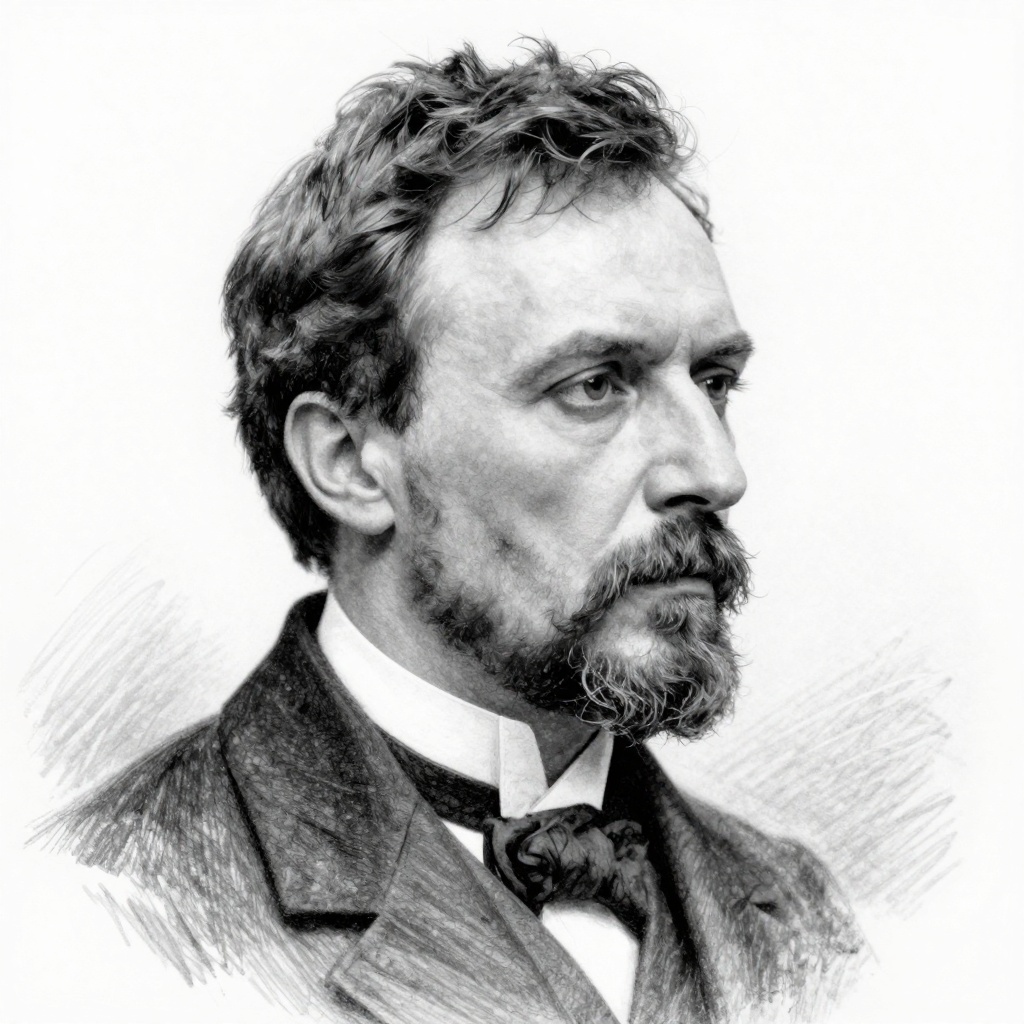
Comments