Quote · Added 14 February 2026
Money, like vodka, turns a person into an eccentric.
Anton ChekhovThe Cherry Orchard, 1904
No ratings yet
Filed undermoney·eccentricity·transformation
Quote · Added 14 February 2026
Filed undermoney·eccentricity·transformation
There's something oddly specific about linking money to vodka—both are intoxicating, both can make you feel powerful and distorted at once, and both have a way of amplifying who you already are. The quiet person becomes withdrawn. The generous person becomes reckless. Chekhov wasn't saying money itself is corrupting exactly; he was noticing how it removes the ordinary constraints that keep us recognizable to ourselves.
The real insight here is that money doesn't change your values so much as it gives you permission to stop hiding them. When resources are tight, most of us stay within invisible rails—we compromise, we play it safe, we fit in. But surplus creates space for eccentricity. You start buying things that only make sense to you. You make decisions nobody understands. You develop theories about how things should be. Some of this is freedom, which is real and good. Some of it is just losing touch.
What makes this bite today is noticing it works both ways. Money can amplify your generosity or your pettiness, your creativity or your paranoia. It's like a magnifying glass on character. Maybe the question isn't whether money will make you strange, but whether you're curious enough to watch what it reveals—and honest enough to still make better choices when you have more options.
1860–1904·lived 44 years
Anton Chekhov was a Russian playwright and short-story writer known for his works like "The Seagull," "Uncle Vanya," and "The Cherry Orchard." He is celebrated for his realistic depiction of human nature and his ability to capture the complexities of the Russian society during the late 19th and early 20th centuries. Chekhov's works have had a profound influence on modern theater and literature.
Also by Anton Chekhov
It is compassion that moves us beyond numbness toward healing.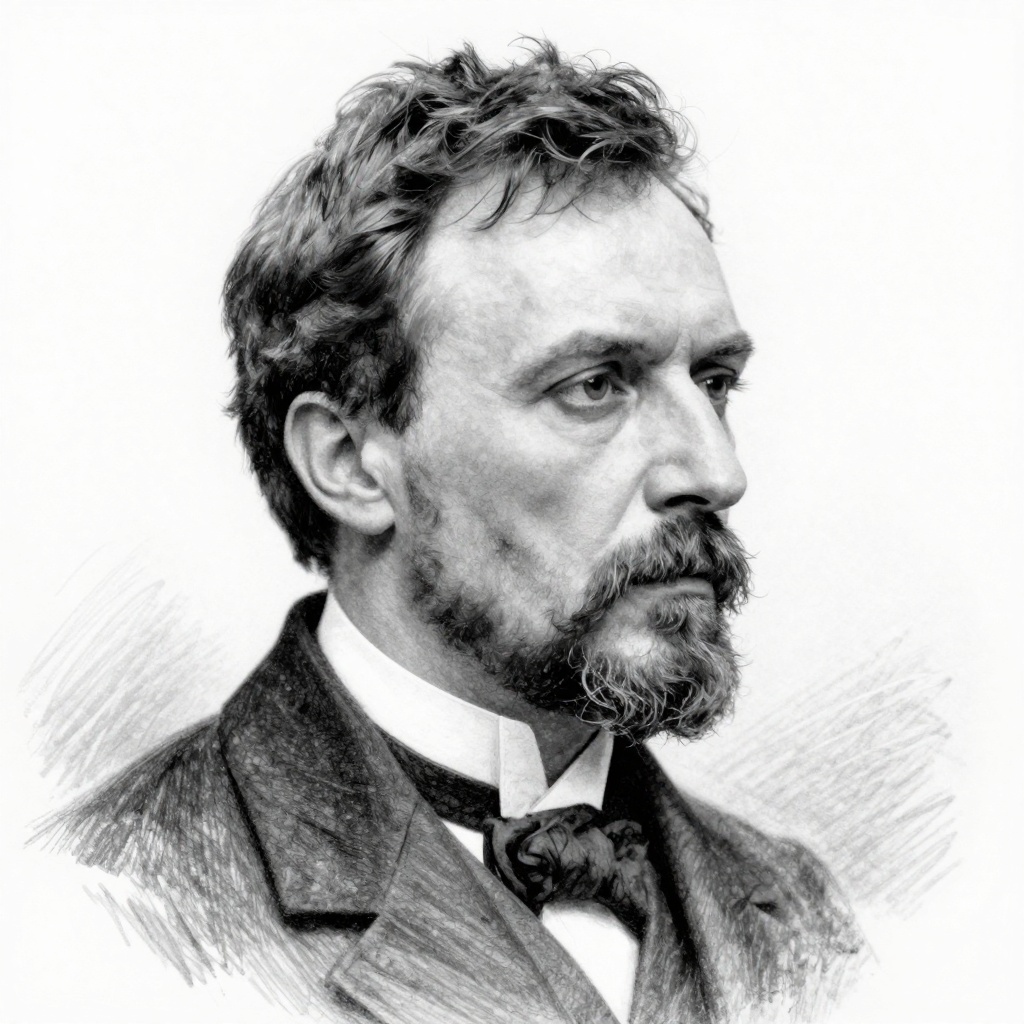
Comments