Quote · Added 14 February 2026
An education isn't how much you have committed to memory, or even how much you know. It's being able to differentiate between what you know and what you don't.
Filed undereducation·knowledge·understanding
Quote · Added 14 February 2026
Filed undereducation·knowledge·understanding
Most of us were trained to see education as accumulation—memorize the capitals, learn the formulas, pass the test. But here's what actually matters: knowing when you're on solid ground and when you're guessing. That gap between confidence and actual understanding trips people up constantly, whether you're at work, making decisions for your family, or scrolling through heated debates online. Someone who can say "I don't know, but here's where I'd look" is genuinely more educated than someone who speaks with total certainty about things they've only half-understood.
The tricky part is that self-awareness takes real effort. It's easier to keep talking than to pause and admit a gap in your thinking. But people who actually grow—who make better choices, who learn from mistakes instead of repeating them—they're the ones constantly checking themselves. They ask better questions. They change their minds when evidence shifts. That honest accounting of what you actually know versus what you've just assumed is what separates people who stay stuck from people who keep getting better at understanding the world.
1844–1924·lived 80 years
Anatole France was a French poet, journalist, and novelist born on April 16, 1844. He is best known for his literary works that often reflect his wit and skepticism about society and politics, with notable titles including "The Crime of Sylvestre Bonnard" and "The Gods Are Athirst." France was awarded the Nobel Prize in Literature in 1921, acknowledging his significant contributions to French literature.
Also by Anatole France
A person is never happy except at the price of some ignorance.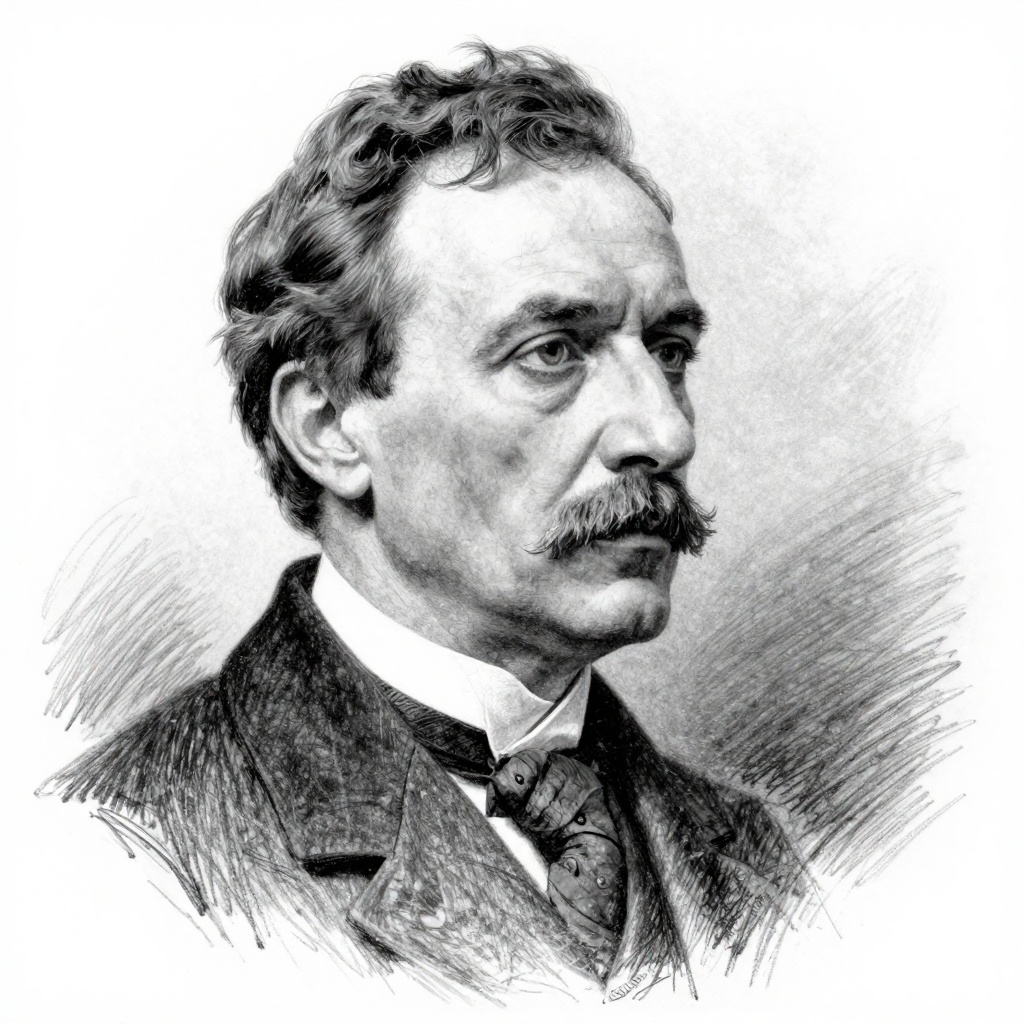
Comments