Quote · Added 26 February 2026
Explore
Reading
AI generatedThe comfort of not knowing everything
We like to think happiness comes from knowing more—understanding ourselves better, learning the truth about situations, seeing reality clearly. But there's something almost cruel in that assumption. The moment you really understand that your friend might not be as loyal as you thought, or that your dream career has serious downsides, or that the world is more complicated than you believed, something shifts. A kind of comfortable certainty dissolves.
This isn't an argument for willful delusion or refusing to face hard truths when they matter. It's more subtle than that. It's noticing that some of the happiest people you know seem to have a gift for not obsessing over things they can't change, or not spiraling into every possible worst-case scenario, or not questioning every kind gesture wondering what's really behind it. They're not dumb—they've just chosen their battles with what to scrutinize and what to let rest.
The real tension is this: we need enough awareness to make good decisions and connect meaningfully with others. But we also need enough not-knowing to move forward without paralysis, to enjoy small moments without constantly analyzing them, to trust people without exhaustively cataloging their flaws. Happiness often lives in that gap between ignorance and obsessive knowledge, not at either extreme.
The author
All 6 quotes by Anatole France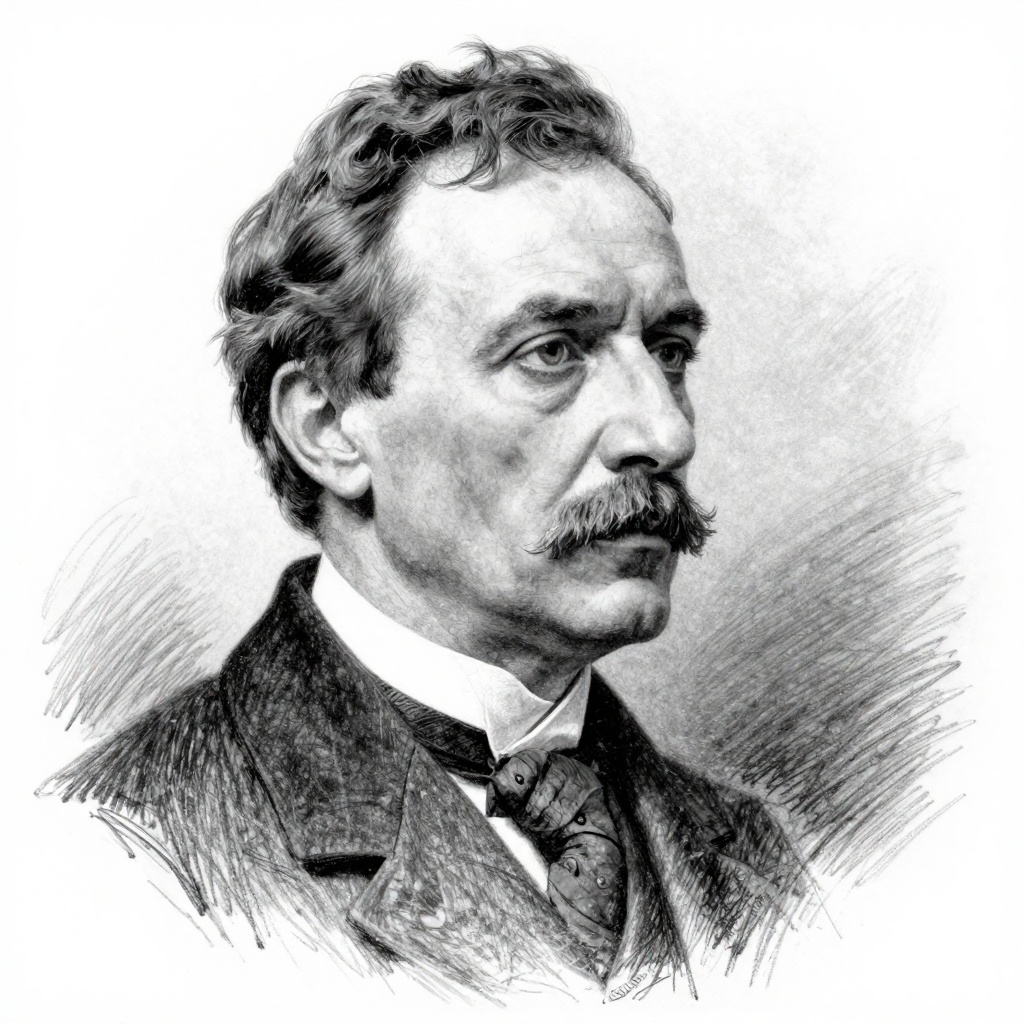
Anatole France
1844–1924·lived 80 years
Anatole France was a French poet, journalist, and novelist born on April 16, 1844. He is best known for his literary works that often reflect his wit and skepticism about society and politics, with notable titles including "The Crime of Sylvestre Bonnard" and "The Gods Are Athirst." France was awarded the Nobel Prize in Literature in 1921, acknowledging his significant contributions to French literature.
Also by Anatole France
To imagine is everything, to know is nothing at all.
Comments