Quote · Added 14 February 2026
To imagine is everything, to know is nothing at all.
Anatole FranceThe Crime of Sylvestre Bonnard, 1881
Filed underimagination·knowledge·essence
Quote · Added 14 February 2026
Filed underimagination·knowledge·essence
We live in an age obsessed with knowing—with data, credentials, answers neatly packaged and verified. Yet this quote points at something we feel but rarely admit: the most powerful moments in our lives often belong to imagination, not knowledge. When you're falling in love, imagining who someone might become matters more than cataloging who they are. When you're starting something new—a business, a creative project, a relationship—your ability to envision possibility often matters more than expertise.
The non-obvious part here is that imagination isn't just for dreamers or artists. It's how we survive uncertainty, which is most of life. A parent imagining their child's future shapes how they raise them. An entrepreneur imagining a product that doesn't exist yet makes it real. Knowledge tells you what is; imagination tells you what could be. And what could be is where actual change lives.
This doesn't mean knowledge is useless—obviously it isn't. But it suggests we've gotten the hierarchy backwards. We chase credentials and facts while treating imagination as a luxury hobby, when the reverse might be closer to true. The people who move things usually aren't the ones with the most information. They're the ones who imagined something worth moving toward.
1844–1924·lived 80 years
Anatole France was a French poet, journalist, and novelist born on April 16, 1844. He is best known for his literary works that often reflect his wit and skepticism about society and politics, with notable titles including "The Crime of Sylvestre Bonnard" and "The Gods Are Athirst." France was awarded the Nobel Prize in Literature in 1921, acknowledging his significant contributions to French literature.
Also by Anatole France
A person is never happy except at the price of some ignorance.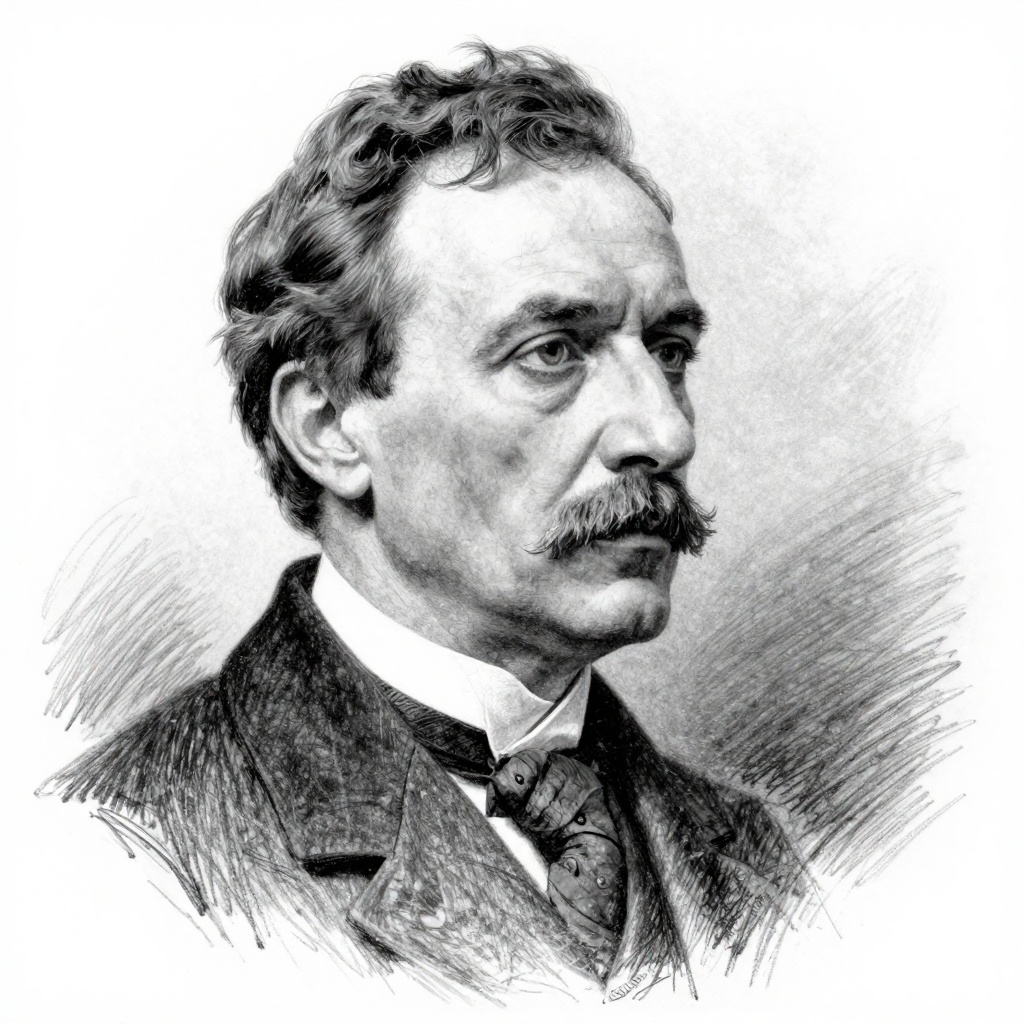
Comments