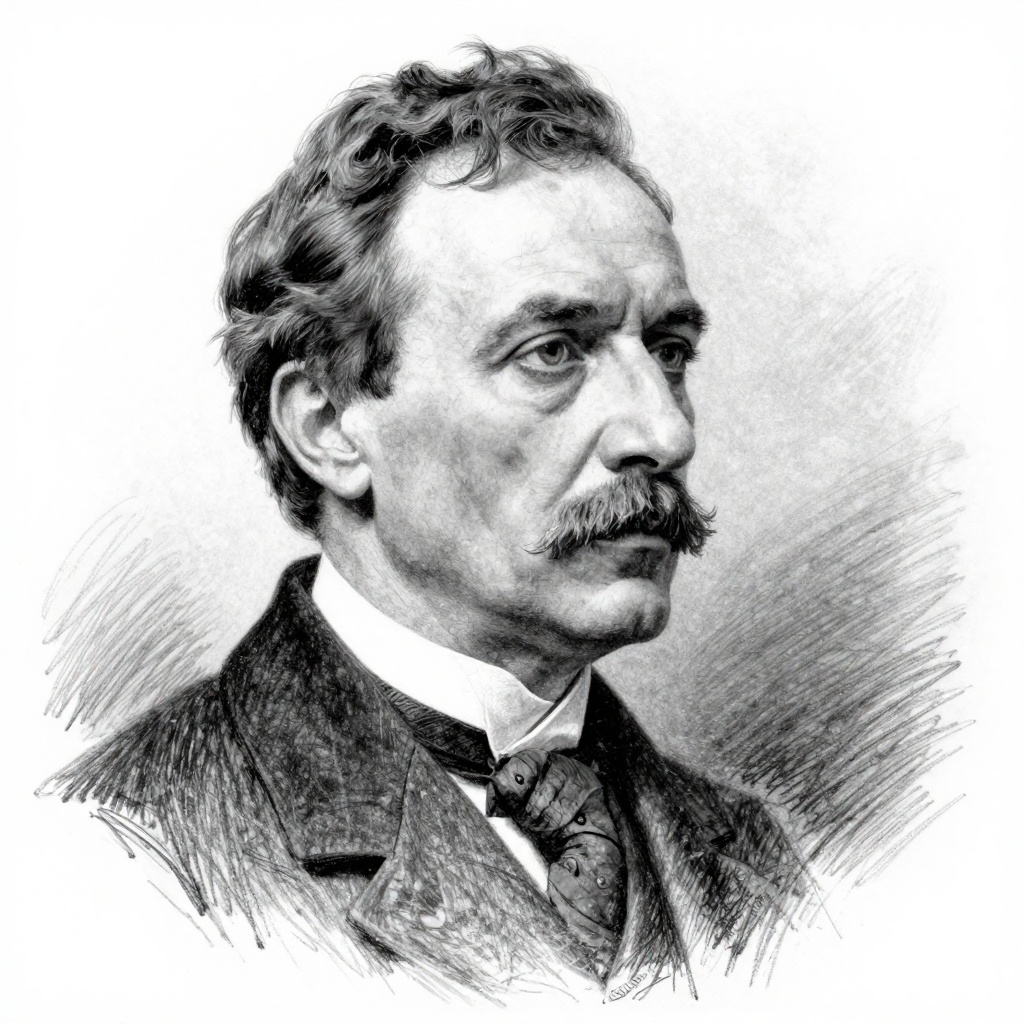
All changes, even the most longed for, have their melancholy; for what we leave behind us is a part of ourselv... — Anatole France

All changes, even the most longed for, have their melancholy; for what we leave behind us is a part of ourselves; we must die to one life before we can enter another.

Author: Anatole France

Insight: We talk about change like it's supposed to feel good—the new job, the move, the relationship ending so something better can begin. But there's a strange sadness that shows up anyway, even when we wanted the change desperately. You leave a job you hated and feel oddly nostalgic for the people you'll never grab lunch with again. You end a relationship and miss the specific way your ex laughed, even though you know it had to end. That melancholy isn't a sign you made the wrong choice. It's the price of actually being alive. What France captures is that change isn't just arithmetic—adding something new doesn't simply replace what was there. It's more like death and rebirth. Part of your identity, your daily rhythms, your version of yourself in that old life actually disappears. That deserves to be mourned, even quietly. The person who worked at that company for five years is gone. The you that existed in that relationship is gone. Pretending otherwise, rushing past the sadness to get excited about what's next, means you're not fully showing up to either life—the one ending or the one beginning. Maybe the real maturity isn't avoiding grief during transitions. It's letting yourself feel it while still moving forward anyway.

The Price of Becoming Someone New

All changes, even the most longed for, have their melancholy; for what we leave behind us is a part of ourselves; we must die to one life before we can enter another.

We talk about change like it's supposed to feel good—the new job, the move, the relationship ending so something better can begin. But there's a strange sadness that shows up anyway, even when we wanted the change desperately. You leave a job you hated and feel oddly nostalgic for the people you'll never grab lunch with again. You end a relationship and miss the specific way your ex laughed, even though you know it had to end. That melancholy isn't a sign you made the wrong choice. It's the price of actually being alive.

What France captures is that change isn't just arithmetic—adding something new doesn't simply replace what was there. It's more like death and rebirth. Part of your identity, your daily rhythms, your version of yourself in that old life actually disappears. That deserves to be mourned, even quietly. The person who worked at that company for five years is gone. The you that existed in that relationship is gone. Pretending otherwise, rushing past the sadness to get excited about what's next, means you're not fully showing up to either life—the one ending or the one beginning.

Maybe the real maturity isn't avoiding grief during transitions. It's letting yourself feel it while still moving forward anyway.

AI generated

Comments

Sign in to leave a comment or reply to one.

Sign in

Anatole France

Anatole France was a French poet, journalist, and novelist born on April 16, 1844. He is best known for his literary works that often reflect his wit and skepticism about society and politics, with notable titles including "The Crime of Sylvestre Bonnard" and "The Gods Are Athirst." France was awarded the Nobel Prize in Literature in 1921, acknowledging his significant contributions to French literature.

Graph

Related