Quote · Added 19 February 2026
Egotist: a person more interested in himself than in me.
Filed underegotism·self·perception
Quote · Added 19 February 2026
Filed underegotism·self·perception
We laugh at this definition because it captures something we recognize immediately—that feeling when someone doesn't ask about your day, or talks over you to steer the conversation back to themselves. But here's where it gets interesting: Bierce is actually pointing out that calling someone an egotist is itself a bit egotistical. We judge them harshly mostly because their self-focus inconveniences us, not because we've achieved some enlightened selflessness ourselves.
The real sting is that we're all egotists by this definition sometimes. You might genuinely care about your friend, but if they're absorbed in their own problems when you need support, suddenly they're the self-centered one. We rarely notice our own versions of this—how we half-listen while planning what to say next, or how we steer group conversations toward our own concerns without thinking about it.
What makes this funny rather than depressing is that it gives us permission to stop pretending we're perfectly generous listeners. Most of us are a mix of genuinely interested and somewhat self-absorbed. Recognizing that might actually make us better at noticing when we're doing it, and maybe—just maybe—asking someone else about themselves before launching into our own story.
1842–1914·lived 72 years
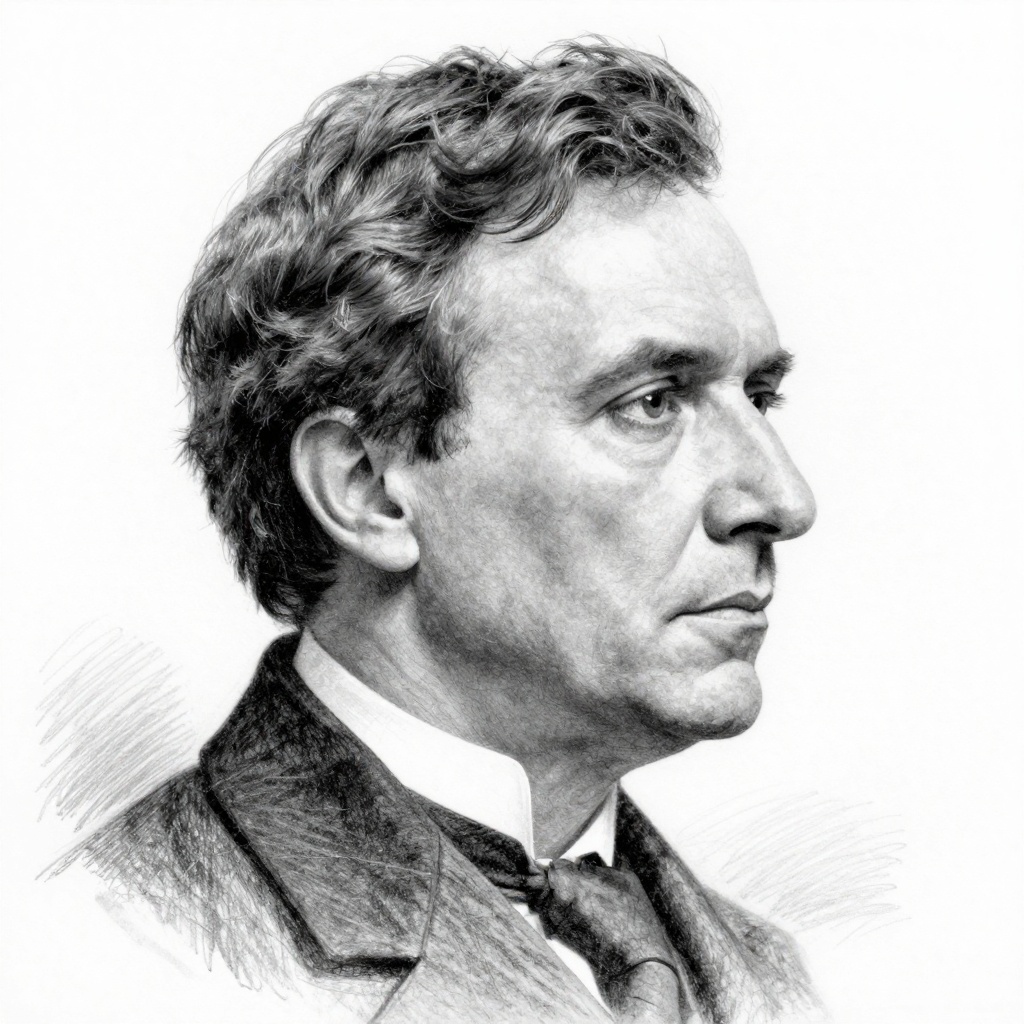
Ambrose Bierce was an American writer and journalist known for his satirical wit and dark humor. He served as a soldier in the Union Army during the American Civil War, an experience which influenced his writing. Bierce is best known for his short stories such as "An Occurrence at Owl Creek Bridge" and his biting critique of society in works like "The Devil's Dictionary."
Comments