Quote · Added 19 February 2026
All are lunatics, but he who can analyze his delusion is called a philosopher.
Filed underlunacy·analysis·philosophy
Quote · Added 19 February 2026
Filed underlunacy·analysis·philosophy
We all live inside stories we tell ourselves about who we are, what matters, and how the world works. The difference between someone we call stable and someone we call confused often isn't the presence of these stories—it's whether we can see them as stories at all. A person convinced their anxiety means they're worthless might be just as locked in a delusion as someone convinced they're being watched, except one delusion is so common it feels like truth.
This is why self-awareness has such a sharp edge to it. It's not really about being smarter than other people. It's about developing the uncomfortable habit of stepping back from your own thoughts and asking: why do I believe this? Where did I learn it? What would change if this turned out to be wrong? That act of turning your own mind into something you can observe rather than just inhabit—that's what separates the person spiraling from the person who can navigate their spiral.
The unsettling part is that this doesn't make you more sane. It just makes you sane in a different way. You're still operating inside your own lens, your own constructed reality. But you know it's constructed. And knowing that might be the only real advantage we get.
1842–1914·lived 72 years
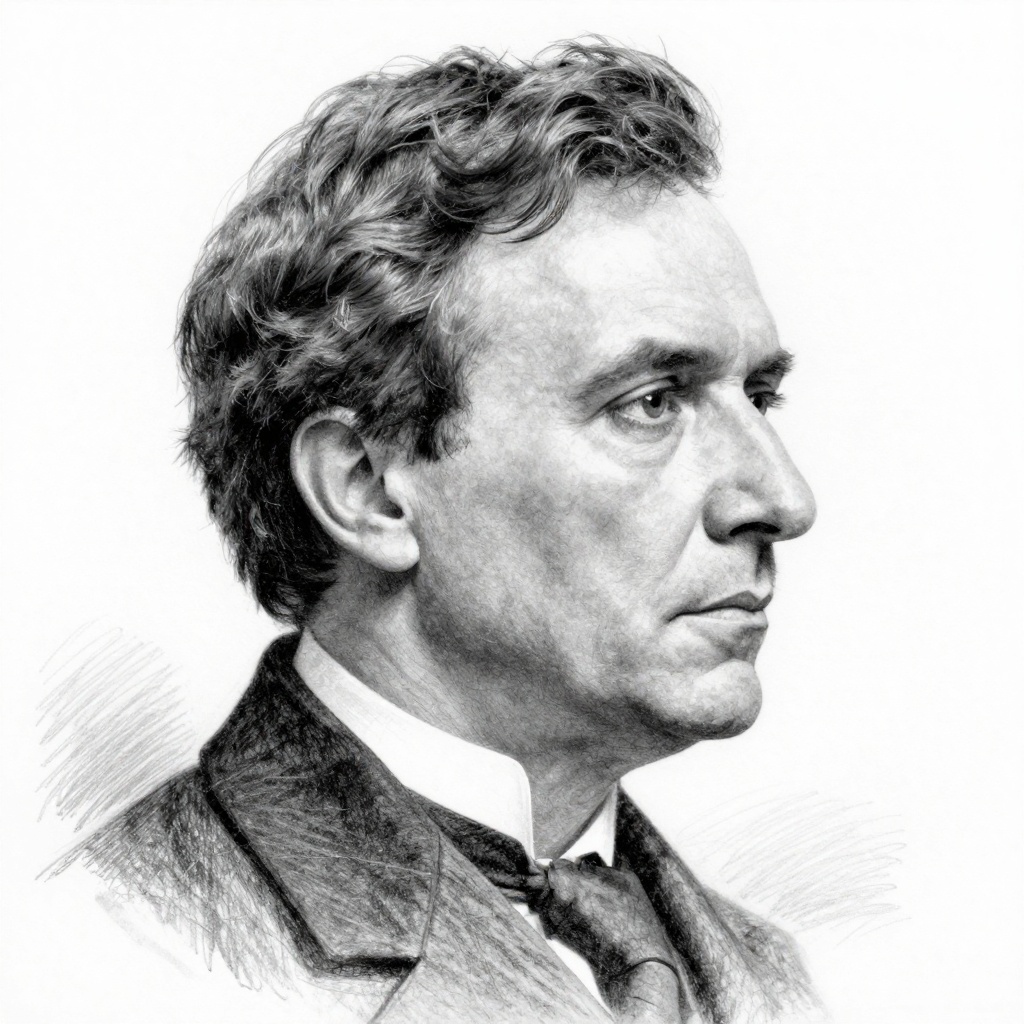
Ambrose Bierce was an American writer and journalist known for his satirical wit and dark humor. He served as a soldier in the Union Army during the American Civil War, an experience which influenced his writing. Bierce is best known for his short stories such as "An Occurrence at Owl Creek Bridge" and his biting critique of society in works like "The Devil's Dictionary."
Comments