Quote · Added 14 February 2026
The bookful blockhead, ignorantly read, With loads of learned lumber in his head.
Alexander PopeAn Essay on Criticism, p. 25, 1709
Quote · Added 14 February 2026
There's something oddly comforting about Pope's 300-year-old complaint. It captures a real frustration we've all felt around someone who collects facts like they're collecting points—rattling off statistics, references, and obscure details without seeming to understand what any of it actually means. You know the type: they've read the book, highlighted extensively, maybe even remember passages, but something fundamental hasn't landed.
The twist is that this problem has gotten worse, not better. Today we have infinite access to information, which means it's never been easier to accumulate knowledge without developing wisdom or genuine understanding. Social media rewards the ability to sound informed in a tweet. You can scroll through think pieces for an hour and walk away feeling educated, when really you've just absorbed a bunch of conclusions that may or may not be true. The real skill—figuring out what matters, how ideas connect, what you should actually do with what you know—that's harder and less visible.
What Pope is really warning against isn't reading itself, but mistaking consumption for comprehension. It's a useful reminder that before we share that hot take or correct someone online, it's worth asking: do I actually understand this, or do I just know about it?
1688–1744·lived 56 years
Alexander Pope (1688–1744) was an English poet, best known for his satirical verse, epigrams, and translations. He is celebrated for his skill in the use of the heroic couplet and his works, such as "The Rape of the Lock" and "The Dunciad," are considered among the greatest in English literature.
Also by Alexander Pope
Blessed is he who expects nothing, for he shall never be disappointed.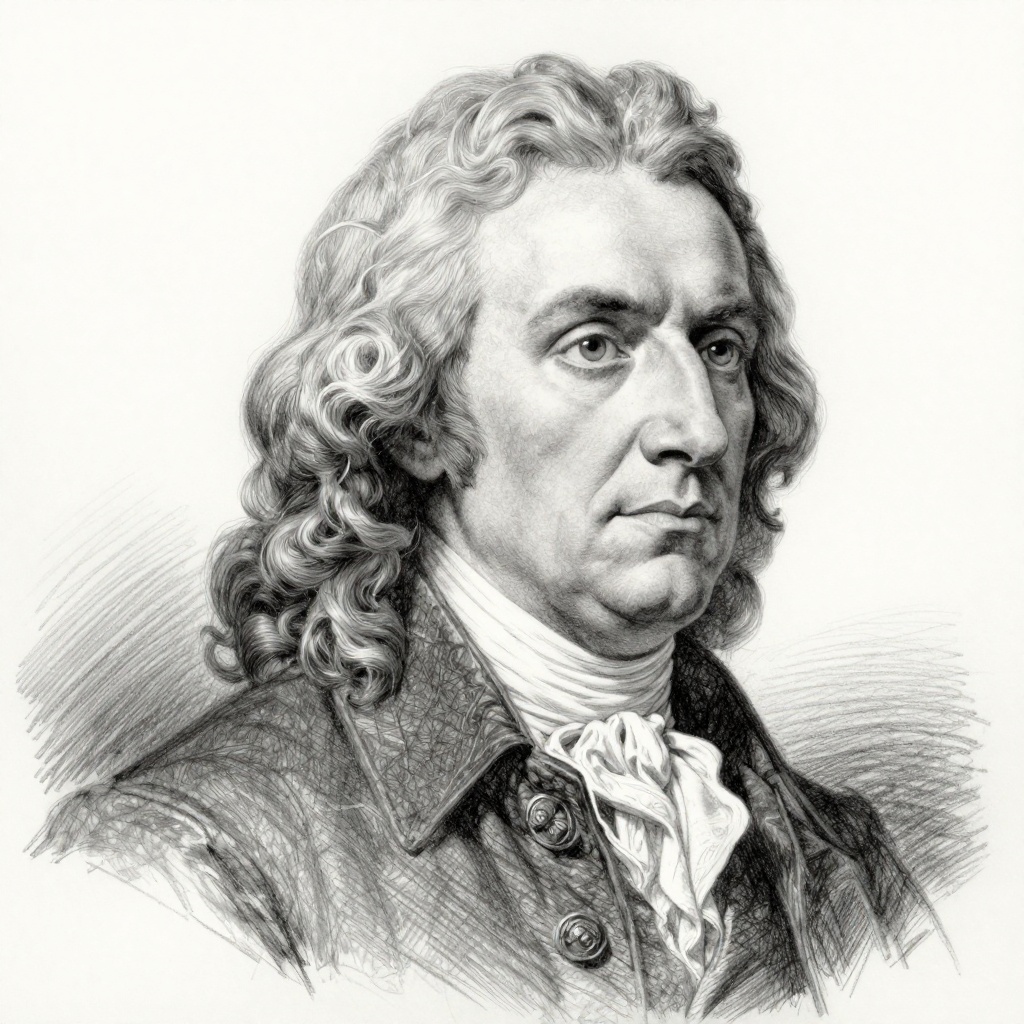
Comments