Quote · Added 14 February 2026
The same ambition can destroy or save, and make a patriot as it makes a knave.
Alexander PopeAn Essay on Man, Epistle II, 1734
Filed underambition·patriotism·duality
Quote · Added 14 February 2026
Filed underambition·patriotism·duality
Ambition isn't good or bad by itself—it's pure fuel that can power you toward almost anything, depending on where you aim it. A surgeon's drive to master their craft, a parent's determination to build something stable for their kids, a community organizer's refusal to accept injustice—these run on the same engine as greed, narcissism, or the need to dominate others. The difference isn't in the ambition itself, but in what you're ambitious for and what you're willing to do to get there.
This matters because we often treat ambition like a moral flaw, especially when we're feeling envious or burned out. But the problem isn't someone else's hunger to succeed or make an impact. It's whether that hunger keeps them honest or lets them rationalize cutting corners, stepping on people, or confusing their own advancement with the greater good. The same restless energy that built libraries and led civil rights movements has also fueled corruption and cruelty throughout history.
The unsettling part? You can't always tell the difference from the outside. Someone climbing the ladder might genuinely believe they're saving the world, or they might be fooling themselves. Which is why the real question isn't "Is ambition dangerous?" but rather "What am I actually ambitious about, and am I willing to look honestly at that?"
1688–1744·lived 56 years
Alexander Pope (1688–1744) was an English poet, best known for his satirical verse, epigrams, and translations. He is celebrated for his skill in the use of the heroic couplet and his works, such as "The Rape of the Lock" and "The Dunciad," are considered among the greatest in English literature.
Also by Alexander Pope
Blessed is he who expects nothing, for he shall never be disappointed.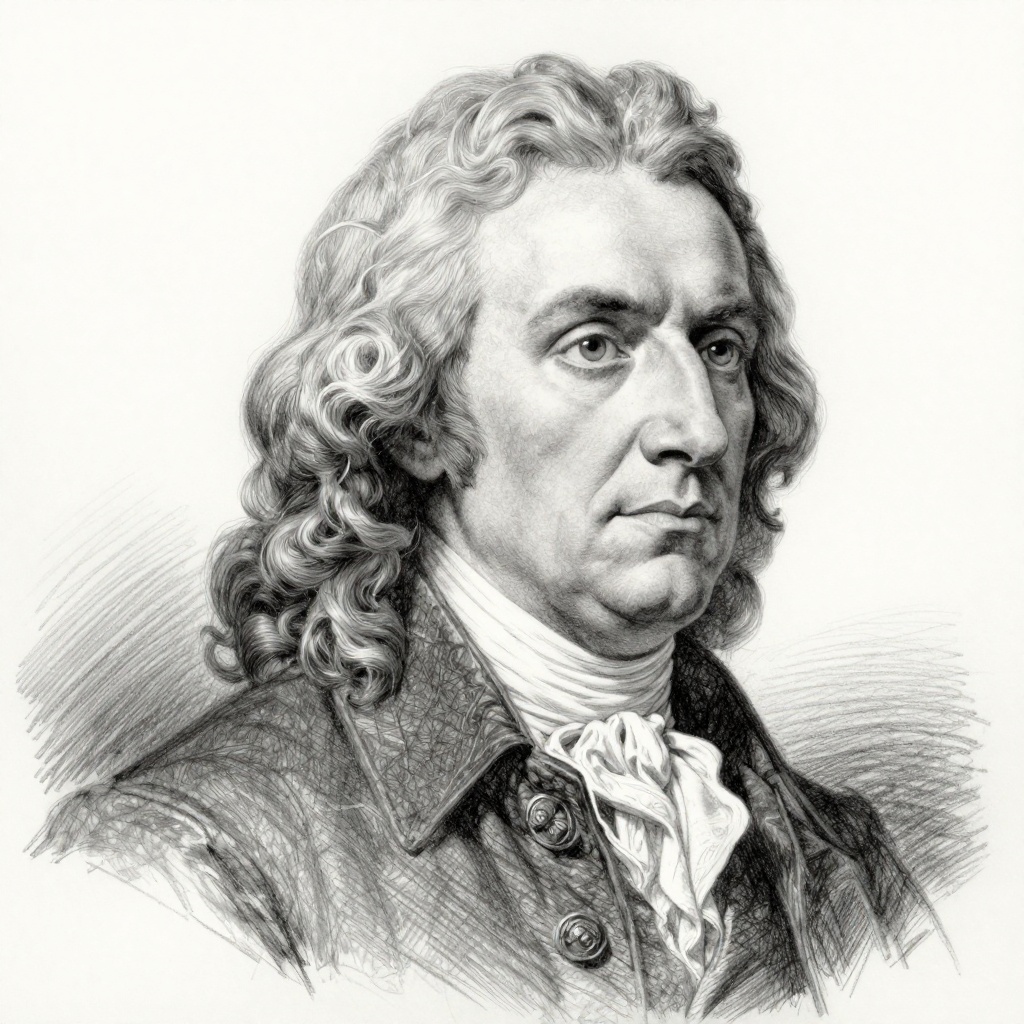
Comments