Quote · Added 15 February 2026
Blessed is he who expects nothing, for he shall never be disappointed.
Filed underexpectation·contentment·disappointment
Quote · Added 15 February 2026
Filed underexpectation·contentment·disappointment
There's something almost radical about expecting nothing, especially in a world that constantly tells us to dream bigger and aim higher. But Pope's idea isn't actually about giving up or becoming passive. It's about the specific kind of suffering that comes from the gap between what we hoped would happen and what actually does. That gap is where disappointment lives, and it can poison experiences that might otherwise have been fine.
Think about the last time you went into something with sky-high expectations—a vacation, a date, a new job. There's a particular sting when reality doesn't match the story you'd already written in your head. But when you go in curious rather than certain, open rather than attached to a specific outcome, something shifts. You're more likely to notice what's actually good about the situation instead of measuring it against an imaginary perfect version. This doesn't mean dreading things or assuming failure. It means holding your plans lightly enough that you can be genuinely surprised by what happens.
The real blessing Pope points to isn't about lowering your standards—it's about freeing yourself from the tyranny of a story that hasn't happened yet. When you stop demanding that life match your script, you often find it's already better than you thought.
1688–1744·lived 56 years
Alexander Pope (1688–1744) was an English poet, best known for his satirical verse, epigrams, and translations. He is celebrated for his skill in the use of the heroic couplet and his works, such as "The Rape of the Lock" and "The Dunciad," are considered among the greatest in English literature.
Also by Alexander Pope
The same ambition can destroy or save, and make a patriot as it makes a knave.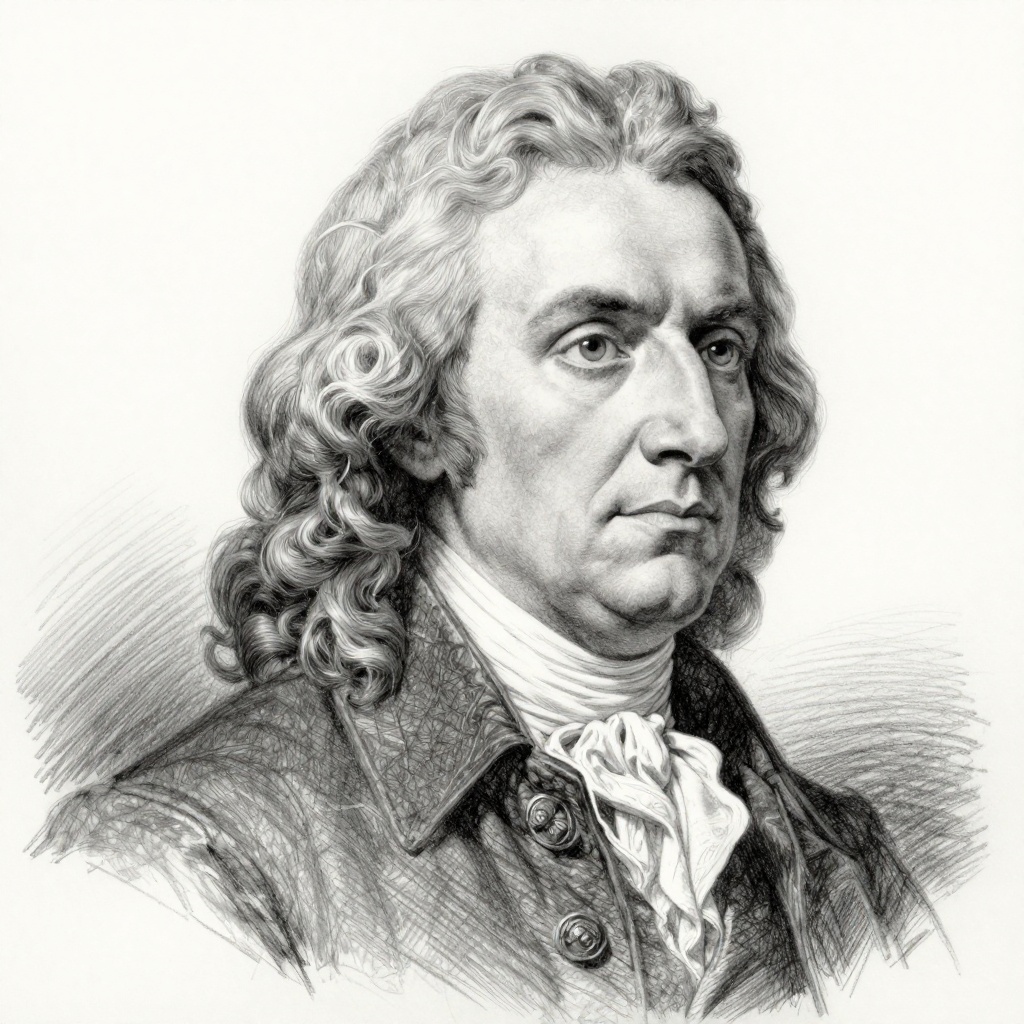
Comments