The fear of death is the most unjustified of all fears, for there's no risk of accident for someone who's dead... — Albert Einstein

The fear of death is the most unjustified of all fears, for there's no risk of accident for someone who's dead.

Author: Albert Einstein

Insight: There's something almost darkly funny about this observation: we spend enormous mental energy worrying about dying, but once we're dead, there's nothing left to worry about. The actual state of being dead contains no experience of suffering or regret. It's the living part—the uncertainty, the pain, the mess—that demands our attention. Most of our death anxiety isn't really about death itself. It's about the dying process, about leaving things unfinished, about loss and grief for the people we'd leave behind. We fear the unknown transition, not the destination. When we catch ourselves spiraling about mortality at 3 a.m., we're usually not afraid of non-existence; we're afraid of suffering, of losing control, of not mattering. Those are legitimate concerns worth addressing, but they're not the same as fearing death. The real insight here is almost practical. If you notice yourself caught in abstract dread about dying, it might help to get specific: What exactly am I afraid of? The answer usually points to something concrete in the living part that actually deserves your energy—a relationship to repair, a meaningful project to start, or simply a doctor's visit you've been putting off. Death isn't the enemy; avoidance is.
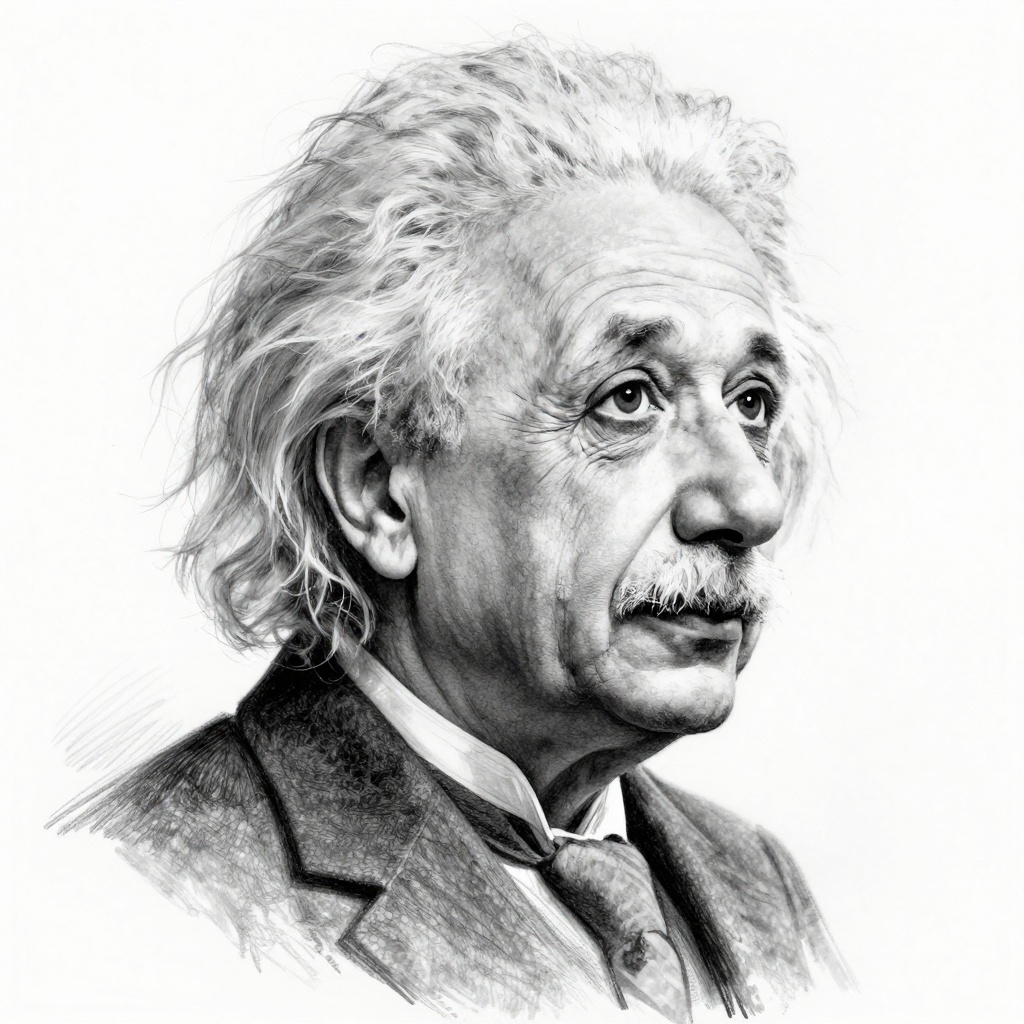
The fear of death is the most unjustified of all fears, for there's no risk of accident for someone who's dead.

We Fear the Dying, Not Death

There's something almost darkly funny about this observation: we spend enormous mental energy worrying about dying, but once we're dead, there's nothing left to worry about. The actual state of being dead contains no experience of suffering or regret. It's the living part—the uncertainty, the pain, the mess—that demands our attention.

Most of our death anxiety isn't really about death itself. It's about the dying process, about leaving things unfinished, about loss and grief for the people we'd leave behind. We fear the unknown transition, not the destination. When we catch ourselves spiraling about mortality at 3 a.m., we're usually not afraid of non-existence; we're afraid of suffering, of losing control, of not mattering. Those are legitimate concerns worth addressing, but they're not the same as fearing death.

The real insight here is almost practical. If you notice yourself caught in abstract dread about dying, it might help to get specific: What exactly am I afraid of? The answer usually points to something concrete in the living part that actually deserves your energy—a relationship to repair, a meaningful project to start, or simply a doctor's visit you've been putting off. Death isn't the enemy; avoidance is.

Comments

Sign in to leave a comment or reply to one.

Sign in

Albert Einstein

Albert Einstein was a renowned theoretical physicist known for developing the theory of relativity, one of the two pillars of modern physics. He is best known for his mass-energy equivalence formula E=mc^2 and was awarded the Nobel Prize in Physics in 1921 for his explanation of the photoelectric effect.

Graph

Related