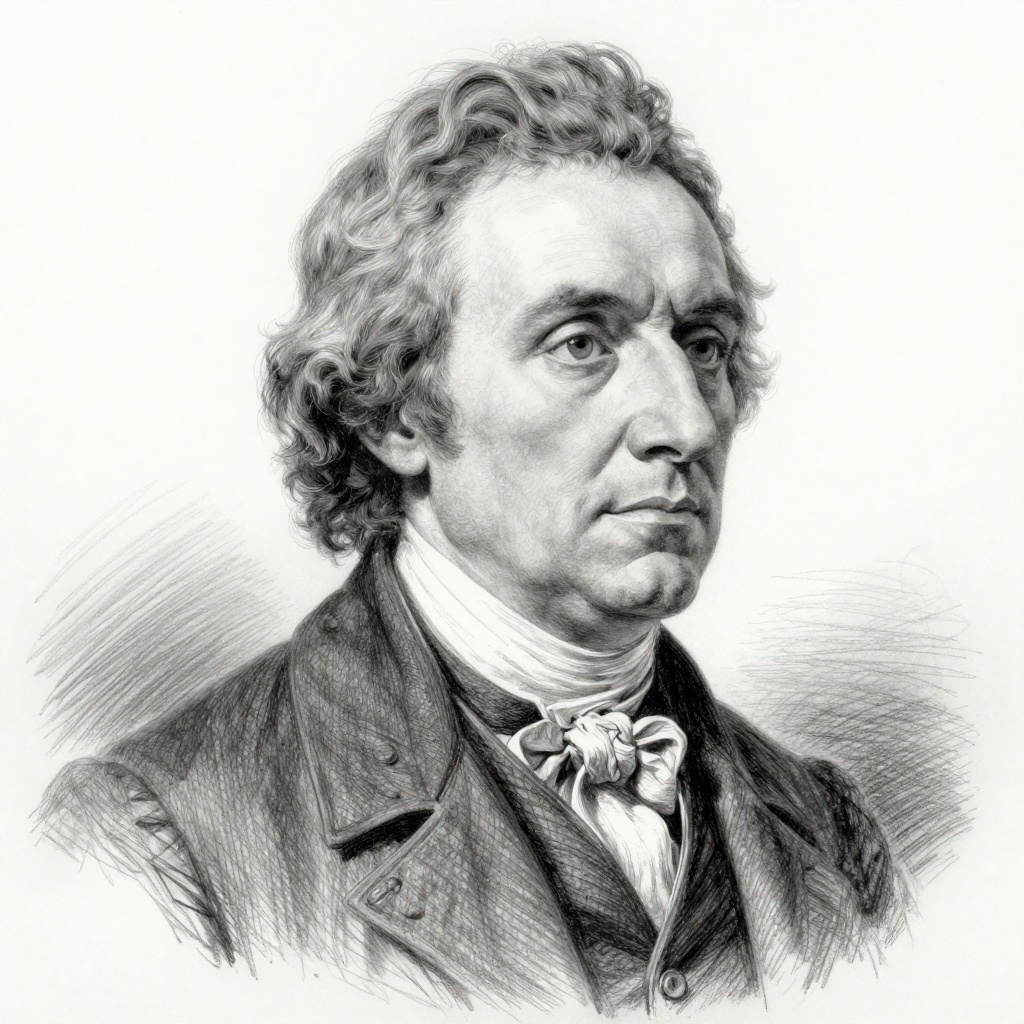
It is not from the benevolence of the butcher, the brewer, or the baker that we expect our dinner, but from th... — Adam Smith

It is not from the benevolence of the butcher, the brewer, or the baker that we expect our dinner, but from their regard to their own interest.

Author: Adam Smith

Insight: We often think of kindness as the engine that makes the world run—that good people doing good things is what keeps society functioning. But Smith noticed something that still rings true today: most of what we depend on comes not from anyone's generosity, but from their self-interest. Your coffee shop exists because the owner wants to make money, not because they're trying to do you a favor. Your favorite app was built by people who saw a market opportunity, not out of pure altruism. This isn't cynical, though it can feel that way at first. It's actually liberating. It means you don't need to hope everyone becomes more virtuous for things to work. You just need systems where people's interests align with yours. A restaurant thrives by feeding you well—if they poison you or serve garbage, they go out of business. That brutal economic feedback loop does more to ensure quality than any appeal to the chef's conscience ever could. The tricky part we face now is recognizing where this principle breaks down. When companies can profit by cutting corners without immediate consequences, or when self-interest and public good diverge, the system starts failing. It's not that Smith was wrong about human motivation—he was right. We just have to stay awake about where competition still works its magic, and where it needs rules to point self-interest in the right direction.

Self-interest works better than kindness

It is not from the benevolence of the butcher, the brewer, or the baker that we expect our dinner, but from their regard to their own interest.

We often think of kindness as the engine that makes the world run—that good people doing good things is what keeps society functioning. But Smith noticed something that still rings true today: most of what we depend on comes not from anyone's generosity, but from their self-interest. Your coffee shop exists because the owner wants to make money, not because they're trying to do you a favor. Your favorite app was built by people who saw a market opportunity, not out of pure altruism.

This isn't cynical, though it can feel that way at first. It's actually liberating. It means you don't need to hope everyone becomes more virtuous for things to work. You just need systems where people's interests align with yours. A restaurant thrives by feeding you well—if they poison you or serve garbage, they go out of business. That brutal economic feedback loop does more to ensure quality than any appeal to the chef's conscience ever could.

The tricky part we face now is recognizing where this principle breaks down. When companies can profit by cutting corners without immediate consequences, or when self-interest and public good diverge, the system starts failing. It's not that Smith was wrong about human motivation—he was right. We just have to stay awake about where competition still works its magic, and where it needs rules to point self-interest in the right direction.

AI generated

Comments

Sign in to leave a comment or reply to one.

Sign in

Adam Smith

Adam Smith was an 18th-century Scottish economist, philosopher, and author. He is best known as the father of modern economics and the author of "The Wealth of Nations," a pioneering work that laid the foundation for classical economics and advocated for the benefits of free markets and division of labor.

Graph

Related