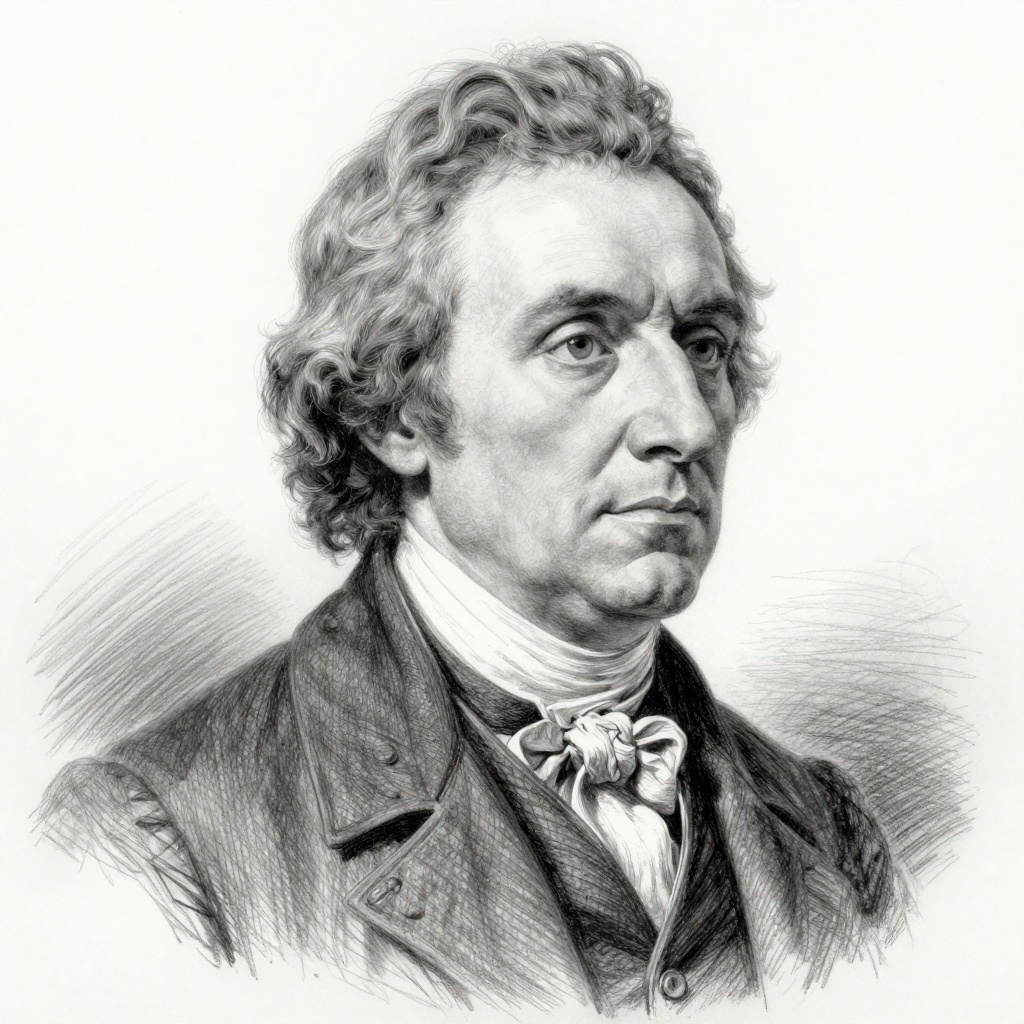
Adventure upon all the tickets in the lottery, and you lose for certain; and the greater the number of your ti... — Adam Smith

Adventure upon all the tickets in the lottery, and you lose for certain; and the greater the number of your tickets the nearer your approach to this certainty.

Author: Adam Smith

Insight: We're living in an age of compulsive ticket-buying, though our tickets look different now. Instead of lottery slips, we're diversifying into side hustles, crypto portfolios, get-rich-quick schemes, and half-hearted business ideas. The logic feels smart: spread your bets, hedge your risk, don't put all your eggs in one basket. But Adam Smith is pointing at something counterintuitive here. The more tickets you buy, the more certain you become of loss overall. Not because any single venture fails, but because the math just works against you when you're playing games that are rigged to begin with. The real insight isn't just about lotteries. It's about the difference between diversification and distraction. There's wisdom in trying multiple things only if those things have real odds in your favor. But if you're buying tickets to inherently losing games, adding more tickets doesn't reduce your risk—it just guarantees you lose more money, time, and attention. The person who accepts they might not get rich, who focuses their energy where it actually matters, often ends up further ahead than the person who scattered their hope across twenty unlikely bets. Sometimes the smartest move isn't buying more tickets. It's stepping away from the lottery booth entirely.

More tickets, more certain loss

Adventure upon all the tickets in the lottery, and you lose for certain; and the greater the number of your tickets the nearer your approach to this certainty.

We're living in an age of compulsive ticket-buying, though our tickets look different now. Instead of lottery slips, we're diversifying into side hustles, crypto portfolios, get-rich-quick schemes, and half-hearted business ideas. The logic feels smart: spread your bets, hedge your risk, don't put all your eggs in one basket. But Adam Smith is pointing at something counterintuitive here. The more tickets you buy, the more certain you become of loss overall. Not because any single venture fails, but because the math just works against you when you're playing games that are rigged to begin with.

The real insight isn't just about lotteries. It's about the difference between diversification and distraction. There's wisdom in trying multiple things only if those things have real odds in your favor. But if you're buying tickets to inherently losing games, adding more tickets doesn't reduce your risk—it just guarantees you lose more money, time, and attention. The person who accepts they might not get rich, who focuses their energy where it actually matters, often ends up further ahead than the person who scattered their hope across twenty unlikely bets. Sometimes the smartest move isn't buying more tickets. It's stepping away from the lottery booth entirely.

AI generated

Comments

Sign in to leave a comment or reply to one.

Sign in

Adam Smith

Adam Smith was an 18th-century Scottish economist, philosopher, and author. He is best known as the father of modern economics and the author of "The Wealth of Nations," a pioneering work that laid the foundation for classical economics and advocated for the benefits of free markets and division of labor.

Graph

Related