Quote · Added 14 February 2026
Labor was the first price, the original purchase - money that was paid for all things.
Adam SmithThe Wealth of Nations, 1776
No ratings yet
Quote · Added 14 February 2026
Work came before money. Before we had dollars or coins or any agreed-upon system of trade, humans had to labor—to hunt, build, plant, create. Everything valuable in the world exists because someone did something. This feels obvious until you realize how often we forget it, treating money as if it's the fundamental thing instead of a representation of effort.
Smith's insight cuts through a lot of modern anxiety. When you feel like you're "not making enough money," what you're really sensing is that your labor isn't being valued at the rate you need. When you resent a purchase price, you're calculating whether the thing is worth what you'd have to work for. Money is just the middle layer—the real transaction has always been time and energy for something that matters.
There's something liberating in remembering this, especially when the economy feels abstract or unfair. It reconnects us to the actual trade: your effort for resources, your skills for security, your time for the ability to live. No amount of financial innovation changes that basic exchange. The price of everything, underneath all the complexity, is still just the labor it took to create it.
1723–1790·lived 67 years
Adam Smith was an 18th-century Scottish economist, philosopher, and author. He is best known as the father of modern economics and the author of "The Wealth of Nations," a pioneering work that laid the foundation for classical economics and advocated for the benefits of free markets and division of labor.
Also by Adam Smith
All money is a matter of belief.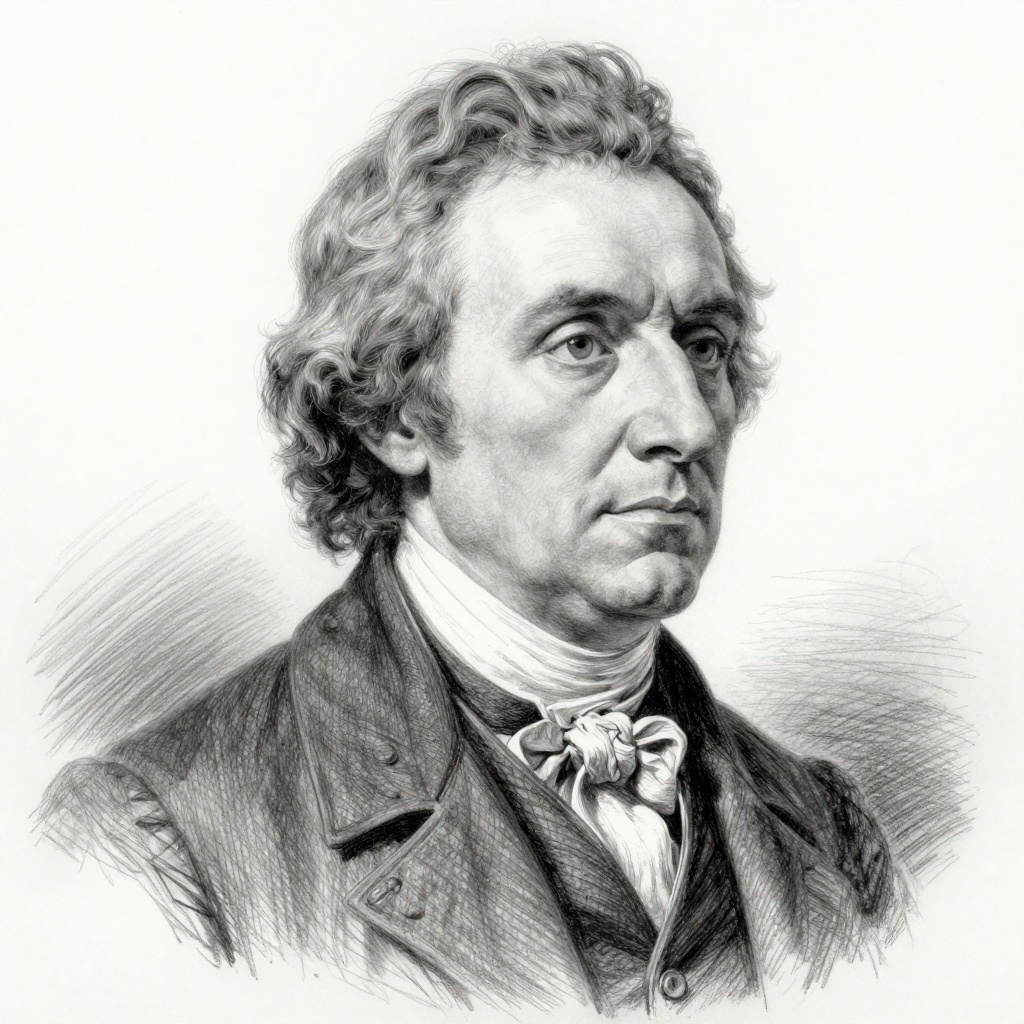
Comments