Quote · Added 14 February 2026
Civilized countries generally adopt gold or silver or both as money.
Adam SmithThe Wealth of Nations, Book I, 1776
No ratings yet
Filed undermoney·civilization·economy
Quote · Added 14 February 2026
Filed undermoney·civilization·economy
When Adam Smith wrote this in the 1700s, he was stating what seemed obvious: precious metals worked as money because everyone agreed they had value and they couldn't be printed at will. But his real insight wasn't about the metals themselves—it was about trust. Money only works when we collectively believe in it. The moment that breaks, the system breaks.
Today we've moved beyond gold, yet the principle hasn't changed at all. We trade in paper, digital numbers, and promises instead of metal. What makes a dollar a dollar? The same thing that made gold work: coordinated belief. When that wavers—during inflation spirals or banking crises—people panic and reach for something they think is "real," whether that's actual gold, cryptocurrency, or hard assets. We're still doing what Smith described, just with different tokens.
The less obvious part is that this makes us collectively fragile. Our entire economy runs on organized consensus. That's incredibly efficient until someone breaks the agreement. It's why people feel so unsettled by sudden currency devaluation or unexpected policy shifts—they're not just losing money, they're watching the shared story we all lived by suddenly shift. Smith understood that civilization doesn't just need resources; it needs confidence in a common system.
1723–1790·lived 67 years
Adam Smith was an 18th-century Scottish economist, philosopher, and author. He is best known as the father of modern economics and the author of "The Wealth of Nations," a pioneering work that laid the foundation for classical economics and advocated for the benefits of free markets and division of labor.
Also by Adam Smith
All money is a matter of belief.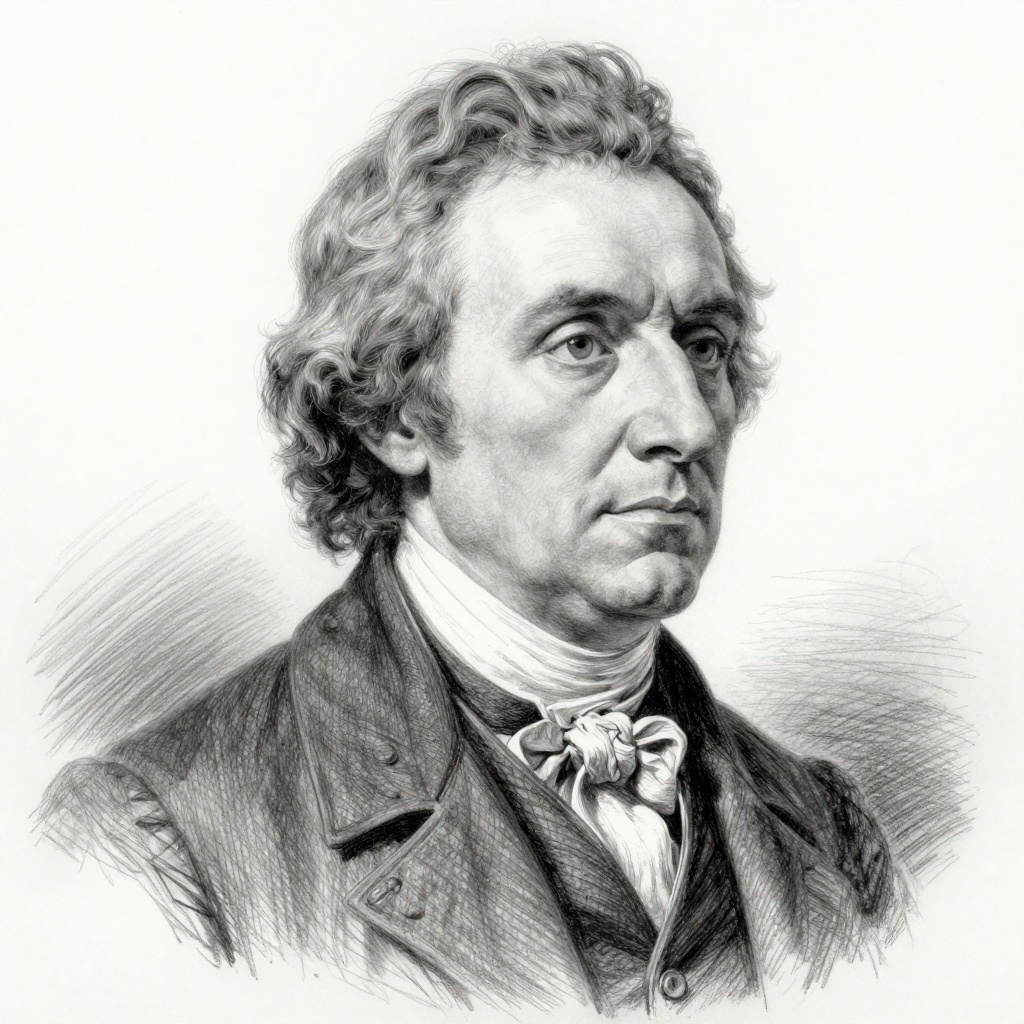
Comments