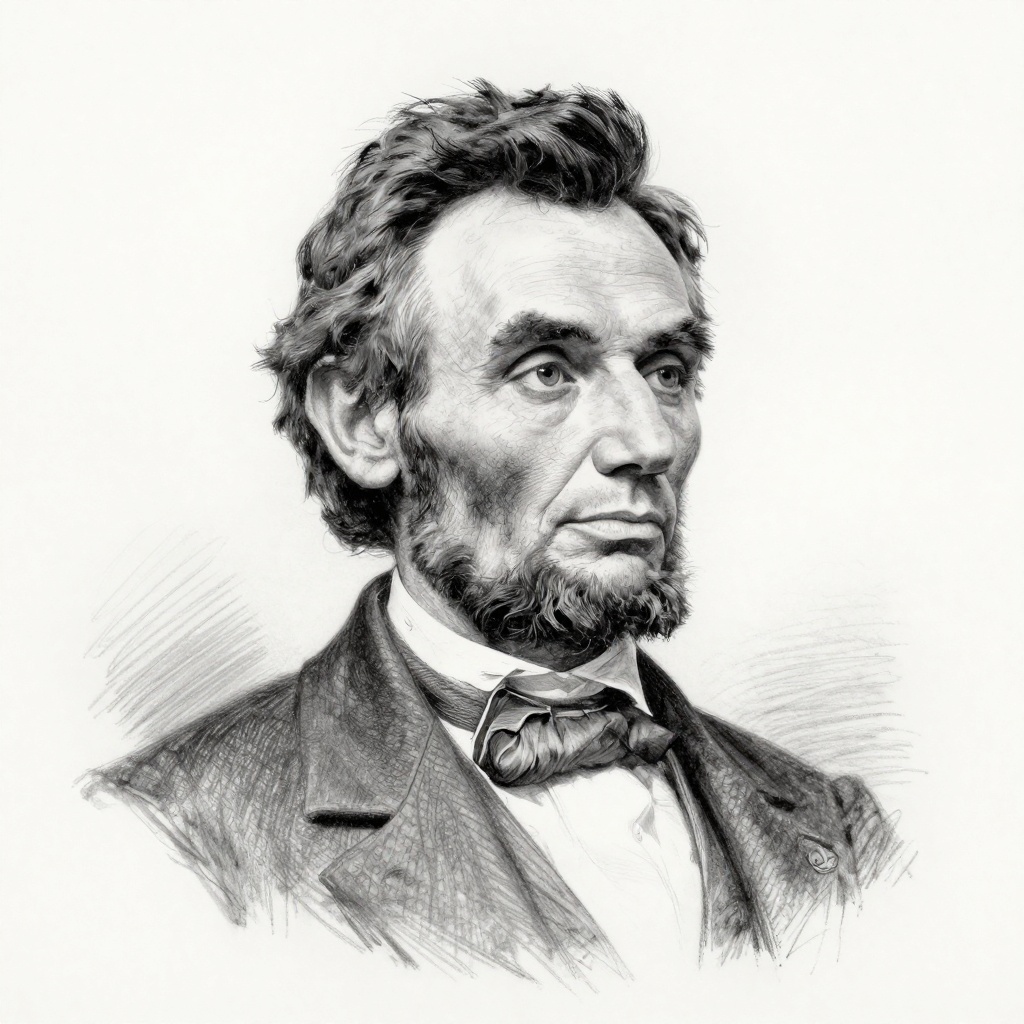
With Malice toward none, with charity for all, with firmness in the right, as God gives us to see the right, l... — Abraham Lincoln

With Malice toward none, with charity for all, with firmness in the right, as God gives us to see the right, let us strive on to finish the work we are in, to bind up the nation's wounds.

Author: Abraham Lincoln

Insight: Most of us think forgiveness means going soft—letting people off the hook, pretending harm didn't happen. Lincoln's formulation cuts through that confusion. He's saying you can hold firm convictions about what's right while still approaching your opponents without personal hatred. That's genuinely hard because we tend to believe the opposite: that being right requires contempt for those who disagree. But contempt actually makes it harder to build anything afterward. Once the immediate battle ends, you still have to live with these people, work with them, rebuild with them. The real tension in this quote isn't between firmness and charity—it's in that phrase "as God gives us to see the right." Lincoln is acknowledging that even our deepest convictions come with uncertainty. We're doing our best with incomplete information. That's not an excuse to waffle, but it's permission to disagree without dehumanizing. We can stand absolutely for what we believe while staying humble about the possibility we're partially wrong. That distinction matters now because we've gotten comfortable with the opposite approach: maximum certainty + maximum contempt. It poisons every conversation. Lincoln understood that big healing happens only when people maintain both backbone and mercy simultaneously—firmness without malice is actually what allows wounds to close.

Source: Second Inaugural Address, 1865

Firmness without malice

With Malice toward none, with charity for all, with firmness in the right, as God gives us to see the right, let us strive on to finish the work we are in, to bind up the nation's wounds.

Abraham LincolnSecond Inaugural Address, 1865

Most of us think forgiveness means going soft—letting people off the hook, pretending harm didn't happen. Lincoln's formulation cuts through that confusion. He's saying you can hold firm convictions about what's right while still approaching your opponents without personal hatred. That's genuinely hard because we tend to believe the opposite: that being right requires contempt for those who disagree. But contempt actually makes it harder to build anything afterward. Once the immediate battle ends, you still have to live with these people, work with them, rebuild with them.

The real tension in this quote isn't between firmness and charity—it's in that phrase "as God gives us to see the right." Lincoln is acknowledging that even our deepest convictions come with uncertainty. We're doing our best with incomplete information. That's not an excuse to waffle, but it's permission to disagree without dehumanizing. We can stand absolutely for what we believe while staying humble about the possibility we're partially wrong.

That distinction matters now because we've gotten comfortable with the opposite approach: maximum certainty + maximum contempt. It poisons every conversation. Lincoln understood that big healing happens only when people maintain both backbone and mercy simultaneously—firmness without malice is actually what allows wounds to close.

AI generated

Comments

Sign in to leave a comment or reply to one.

Sign in

Abraham Lincoln

Abraham Lincoln was the 16th President of the United States, serving from 1861 until his assassination in 1865. He is best known for leading the country through the Civil War, preserving the Union, and issuing the Emancipation Proclamation that led to the abolition of slavery in the United States.

Graph

Related