Quote · Added 28 February 2026
You can have anything you want, if you want it badly enough.
No ratings yet
Filed underdesire·motivation·achievement
Quote · Added 28 February 2026
Filed underdesire·motivation·achievement
There's something almost cruel about this idea at first: the suggestion that if you don't have what you want, it's because you didn't want it badly enough. But that's not quite what's being said here. Lincoln is pointing at a real gap most of us live in—between casual wanting and the kind of wanting that actually reorganizes your life.
The tricky part is that "badly enough" doesn't mean pure willpower or white-knuckle determination. It means wanting something enough that you're willing to rearrange your schedule, your comfort, your ego. It means the wanting has to outlast the first wave of difficulty. Someone who learns an instrument, builds a business, or repairs a broken relationship does it because at some point the desire to have that thing became larger than the desire to stay comfortable. That's the threshold Lincoln's really talking about.
What makes this quote sting is how clearly it maps onto our actual lives. We say we want better health, deeper friendships, creative fulfillment—and we do, abstractly. But we also want to relax tonight, scroll for twenty minutes, stay in our familiar patterns. The question isn't whether you're capable. It's whether the wanting has gotten specific and uncomfortable enough to change your behavior. That's the honest version of what he means.
1809–1865·lived 56 years
Abraham Lincoln was the 16th President of the United States, serving from 1861 until his assassination in 1865. He is best known for leading the country through the Civil War, preserving the Union, and issuing the Emancipation Proclamation that led to the abolition of slavery in the United States.
Also by Abraham Lincoln
My best friend is a person who will give me a book I have not read.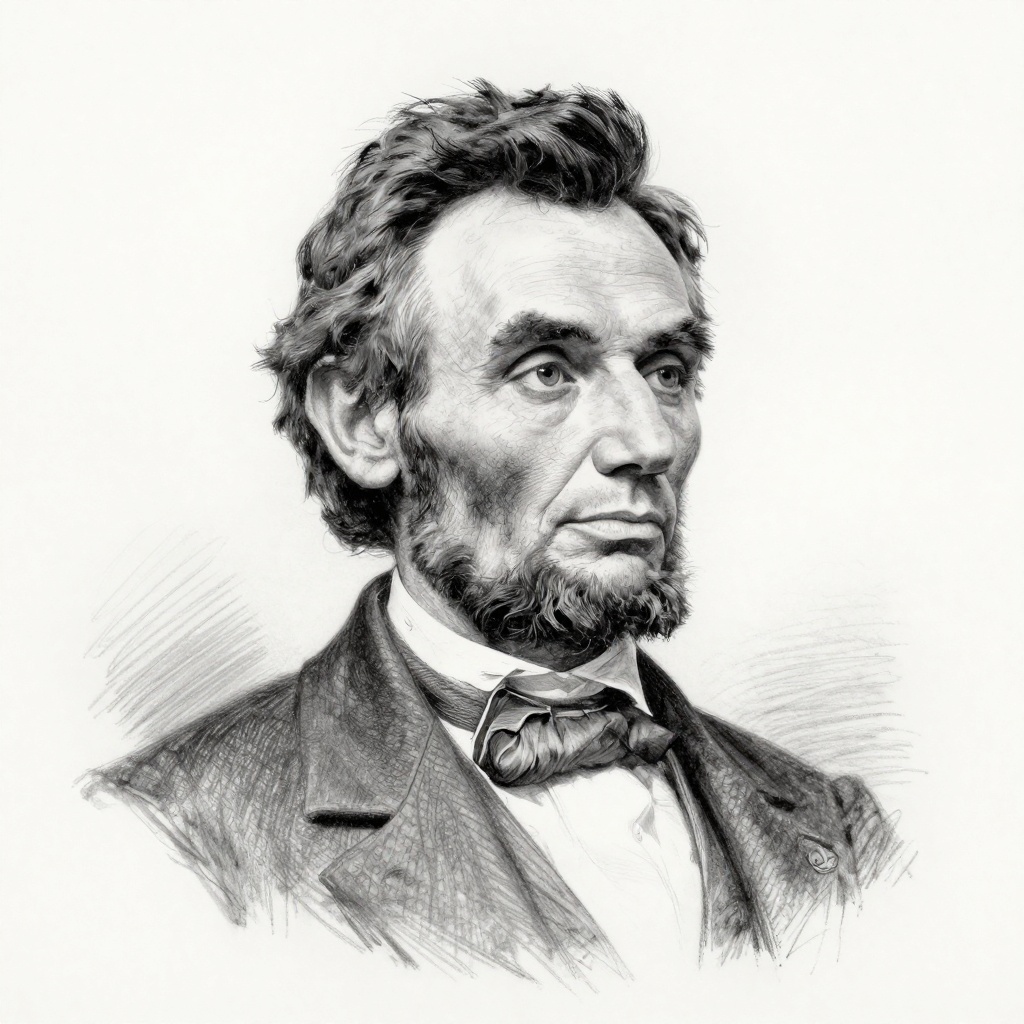
Comments