Quote · Added 14 February 2026
Stand with anybody that stands right, stand with him while he is right and part with him when he goes wrong.
Abraham LincolnSpeech in reply to Senator Stephen Douglas, Peoria, Illinois, October 16, 1854
No ratings yet
Quote · Added 14 February 2026
We often think loyalty means sticking with someone no matter what. But Lincoln's insight cuts the other way: real principle means being willing to walk away. It's uncomfortable because it requires you to separate people from causes, which our brains naturally resist. We want our allies to stay allies, our heroes to stay heroic.
Yet this matters more now than ever. In our polarized moment, we're trained to pick a "side" and defend everything that side does. But Lincoln is saying something harder: your job is to defend what's right, not what's familiar. That might mean supporting someone on healthcare policy while opposing them on labor issues. Or admiring a mentor's work while refusing to follow them into something unethical. The people around you will test this constantly, sometimes deliberately.
The non-obvious part? This isn't about being self-righteous. It's actually humble. You're admitting your judgment matters more than your comfort, and that you might need to change your mind. You're saying "I don't need you to be perfect, but I won't pretend you are." That's how people actually grow—and how communities stay honest.
1809–1865·lived 56 years
Abraham Lincoln was the 16th President of the United States, serving from 1861 until his assassination in 1865. He is best known for leading the country through the Civil War, preserving the Union, and issuing the Emancipation Proclamation that led to the abolition of slavery in the United States.
Also by Abraham Lincoln
My best friend is a person who will give me a book I have not read.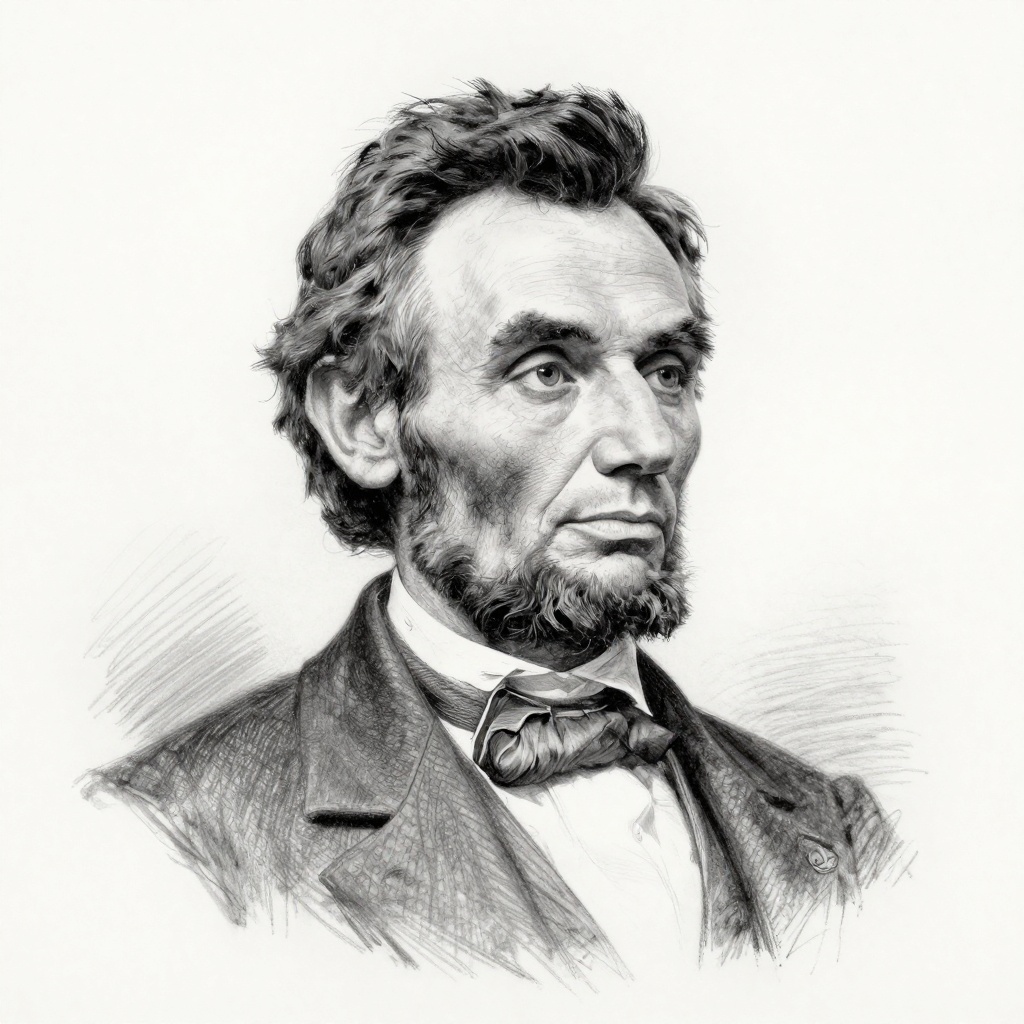
Comments