Quote · Added 14 February 2026
No man is good enough to govern another man without the other's consent.
Abraham LincolnSpeech at Peoria, October 16, 1854
No ratings yet
Filed undergovernance·consent·equality
Quote · Added 14 February 2026
Filed undergovernance·consent·equality
There's a quiet radicalism buried in this simple statement that we've mostly forgotten. Lincoln wasn't just talking about voting rights—he was describing something we all feel in our bones: the deep wrongness of someone else calling all the shots over your life. Whether it's a boss making unilateral decisions that wreck your schedule, a parent refusing to explain their rules, or a government ignoring what citizens actually want, there's a specific kind of resentment that builds when power flows only one way.
What makes this idea still sharp is how we keep finding new contexts where it applies. We talk about consent in relationships and personal boundaries now, but we often forget to apply it to work hierarchies, neighborhood decisions, or even how tech companies treat users. The assumption that some people simply know better and can decide for others—without asking, without listening—still sneaks into places where we don't expect it.
The deeper insight here is almost uncomfortable: if no one is good enough to govern without consent, that includes the smartest, most well-intentioned people you know. It means expertise and good intentions aren't enough. People need a voice in decisions that affect them, not because they're always right, but because the alternative—being subject to someone else's judgment alone—violates something fundamental about human dignity.
1809–1865·lived 56 years
Abraham Lincoln was the 16th President of the United States, serving from 1861 until his assassination in 1865. He is best known for leading the country through the Civil War, preserving the Union, and issuing the Emancipation Proclamation that led to the abolition of slavery in the United States.
Also by Abraham Lincoln
My best friend is a person who will give me a book I have not read.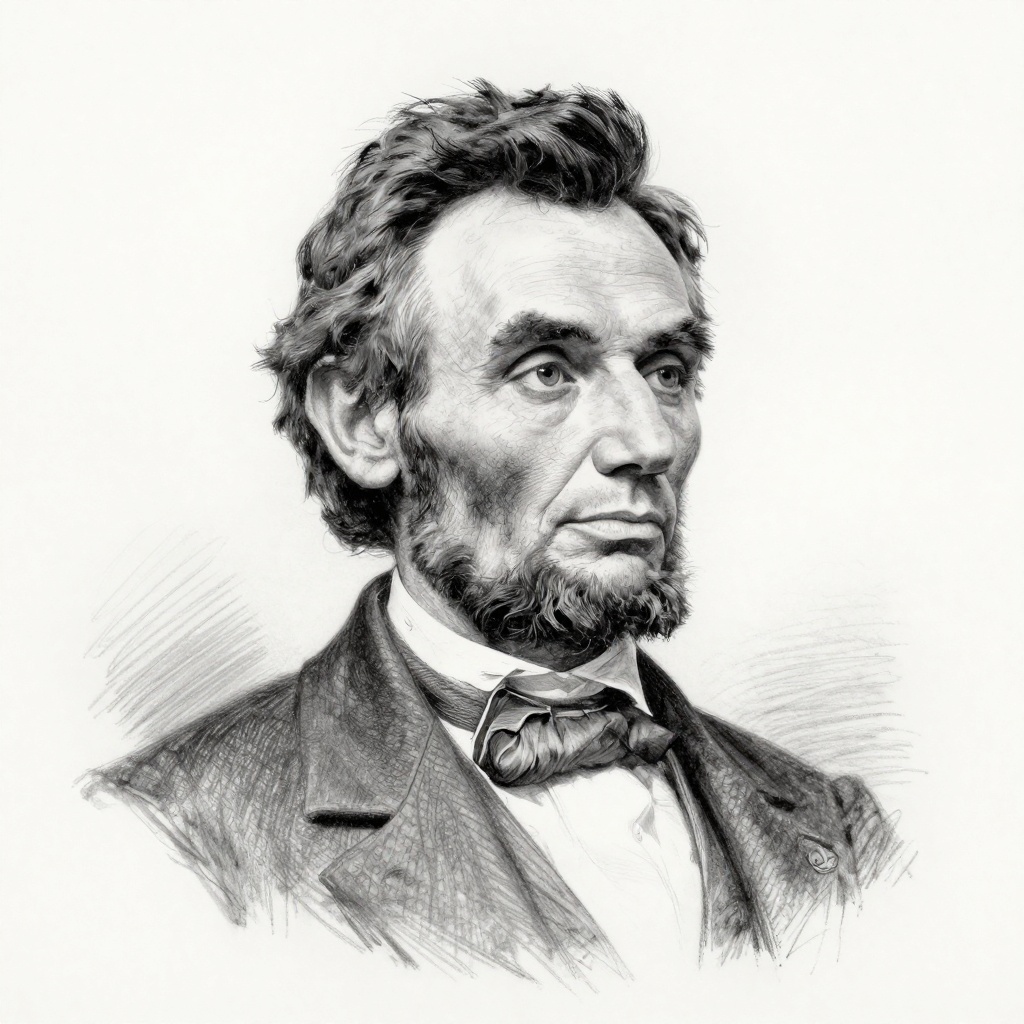
Comments