Quote · Added 14 February 2026
I remember my mother's prayers and they have always followed me. They have clung to me all my life.
No ratings yet
Quote · Added 14 February 2026
There's something almost haunting about this image—prayers that don't fade or get left behind, but stick with you like a second skin. Lincoln isn't describing something he chose to carry; he's describing something that chose him. That distinction matters. We often think of our upbringing as something we either accept or reject, but Lincoln is naming something stranger and more honest: the ways our parents' hopes for us become part of our nervous system.
Most of us feel this in moments of doubt or crisis. You're facing a difficult choice, and suddenly you hear your mother's voice—not necessarily telling you what to do, but reminding you of who you're supposed to be. Those prayers, whether literal or metaphorical, are like an internal compass that works even when you're not consciously consulting it. They show up in your instincts, your standards, the things you refuse to compromise on.
The quiet power here is that Lincoln isn't claiming these prayers made everything easy or solved his problems. Instead, he's saying they followed him—they were a constant presence even through failure, loss, and impossible choices. That's less about spiritual certainty and more about how the love and attention someone gives us young gets baked into our decision-making for life.
1809–1865·lived 56 years
Abraham Lincoln was the 16th President of the United States, serving from 1861 until his assassination in 1865. He is best known for leading the country through the Civil War, preserving the Union, and issuing the Emancipation Proclamation that led to the abolition of slavery in the United States.
Also by Abraham Lincoln
My best friend is a person who will give me a book I have not read.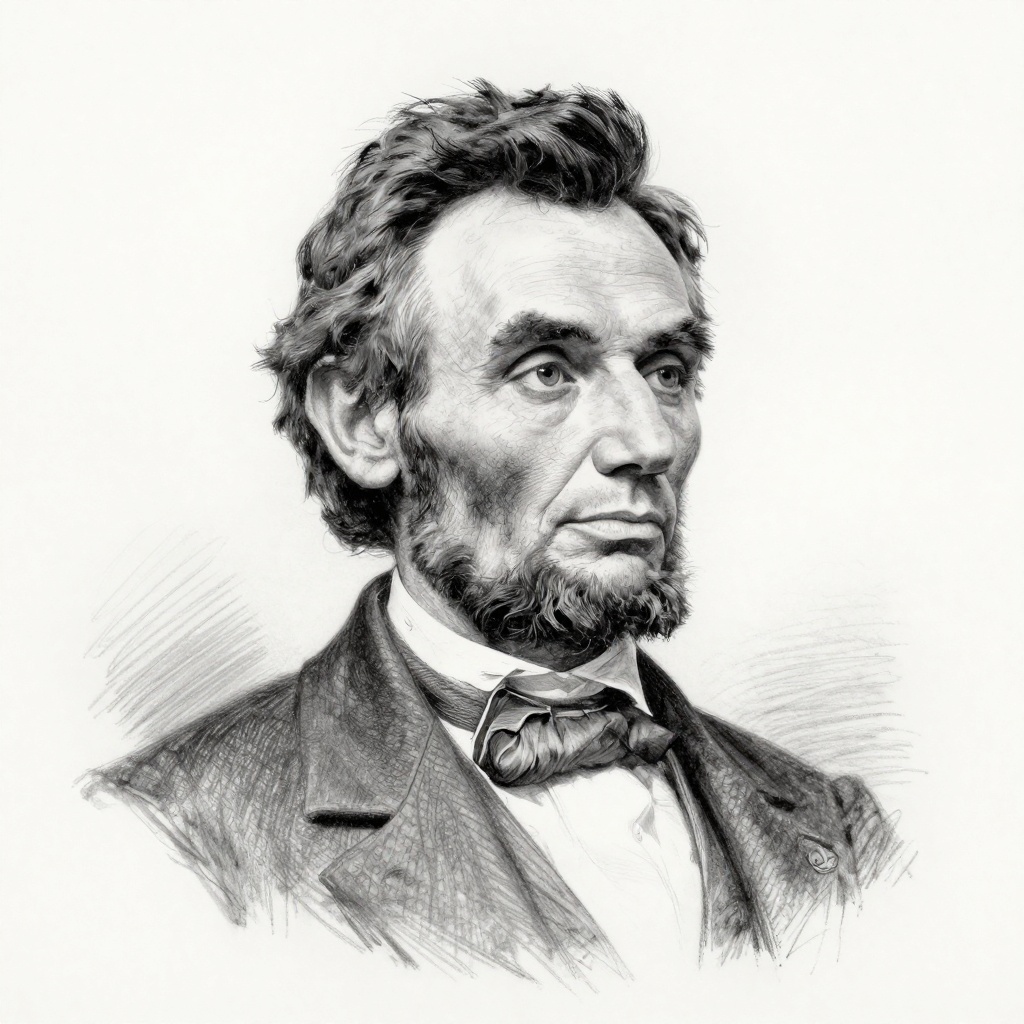
Comments