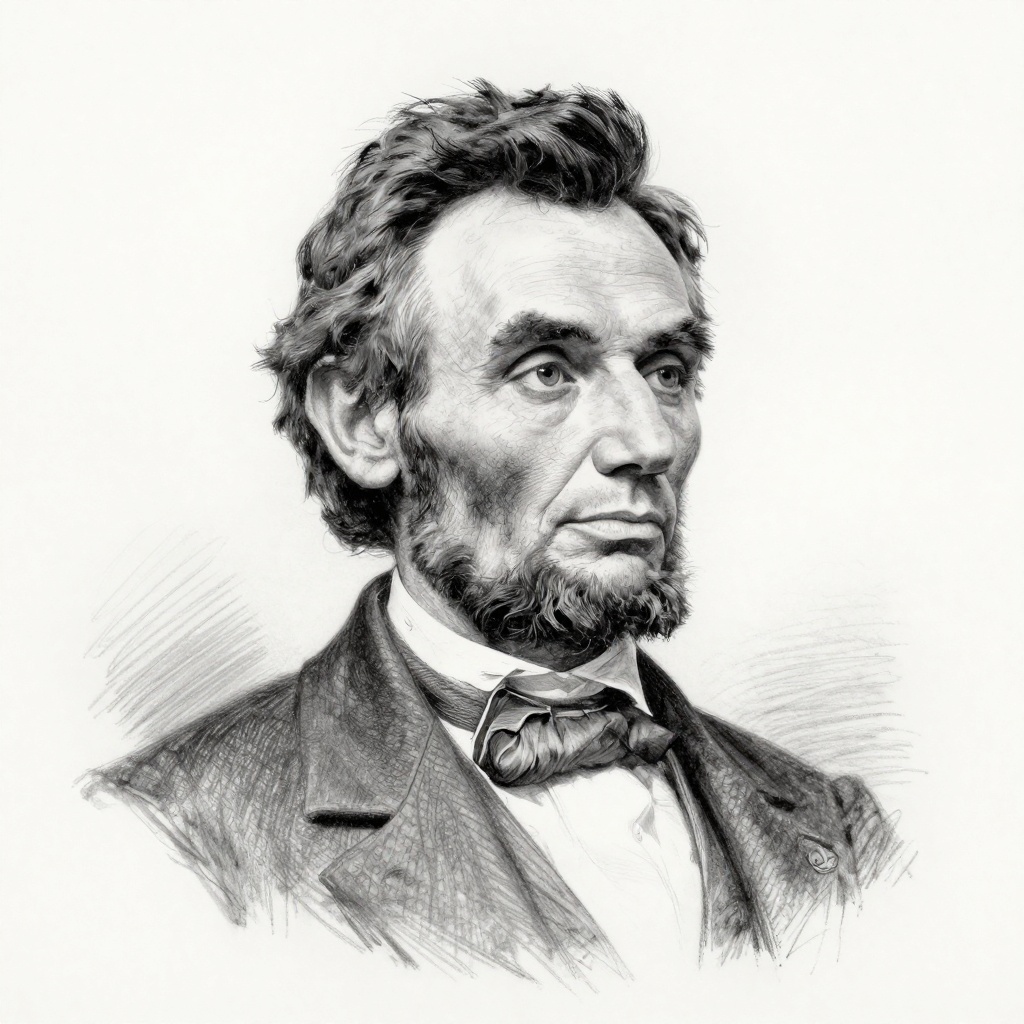
How many legs does a dog have if you call his tail a leg? Four. Saying that a tail is a leg doesn't make it a... — Abraham Lincoln

How many legs does a dog have if you call his tail a leg? Four. Saying that a tail is a leg doesn't make it a leg.

Author: Abraham Lincoln

Insight: We live in an age where redefining things has become almost reflexive. Call a meeting a "conversation." Call scrolling through your phone "research." Call avoidance "self-care." The hope seems to be that better words will change reality—that if we just frame something differently, it becomes what we're calling it. Lincoln's point cuts through this cleanly: language doesn't alter fact. You can rename your procrastination as "strategic patience" and it's still procrastination. You can call a shallow relationship "low-maintenance" and it's still shallow. This matters because we often get seduced by our own rhetoric, actually believing that we've solved a problem because we've renamed it. We haven't. We've just gotten better at talking around it. The deeper insight is that this gap between naming and reality is where actual change has to happen. Calling the tail a leg doesn't help the dog walk farther. But recognizing what the tail actually is—and what the legs actually are—gives you something to work with. The clarity itself becomes the starting point for something real.

Source: Reminiscences of Abraham Lincoln by distinguished men of his time / collected and edited by Allen Thorndike Rice, p. 242, 1909

Words don't change what's actually true

How many legs does a dog have if you call his tail a leg? Four. Saying that a tail is a leg doesn't make it a leg.

Abraham LincolnReminiscences of Abraham Lincoln by distinguished men of his time / collected and edited by Allen Thorndike Rice, p. 242, 1909

We live in an age where redefining things has become almost reflexive. Call a meeting a "conversation." Call scrolling through your phone "research." Call avoidance "self-care." The hope seems to be that better words will change reality—that if we just frame something differently, it becomes what we're calling it.

Lincoln's point cuts through this cleanly: language doesn't alter fact. You can rename your procrastination as "strategic patience" and it's still procrastination. You can call a shallow relationship "low-maintenance" and it's still shallow. This matters because we often get seduced by our own rhetoric, actually believing that we've solved a problem because we've renamed it. We haven't. We've just gotten better at talking around it.

The deeper insight is that this gap between naming and reality is where actual change has to happen. Calling the tail a leg doesn't help the dog walk farther. But recognizing what the tail actually is—and what the legs actually are—gives you something to work with. The clarity itself becomes the starting point for something real.

AI generated

Comments

Sign in to leave a comment or reply to one.

Sign in

Abraham Lincoln

Abraham Lincoln was the 16th President of the United States, serving from 1861 until his assassination in 1865. He is best known for leading the country through the Civil War, preserving the Union, and issuing the Emancipation Proclamation that led to the abolition of slavery in the United States.

Graph

Related