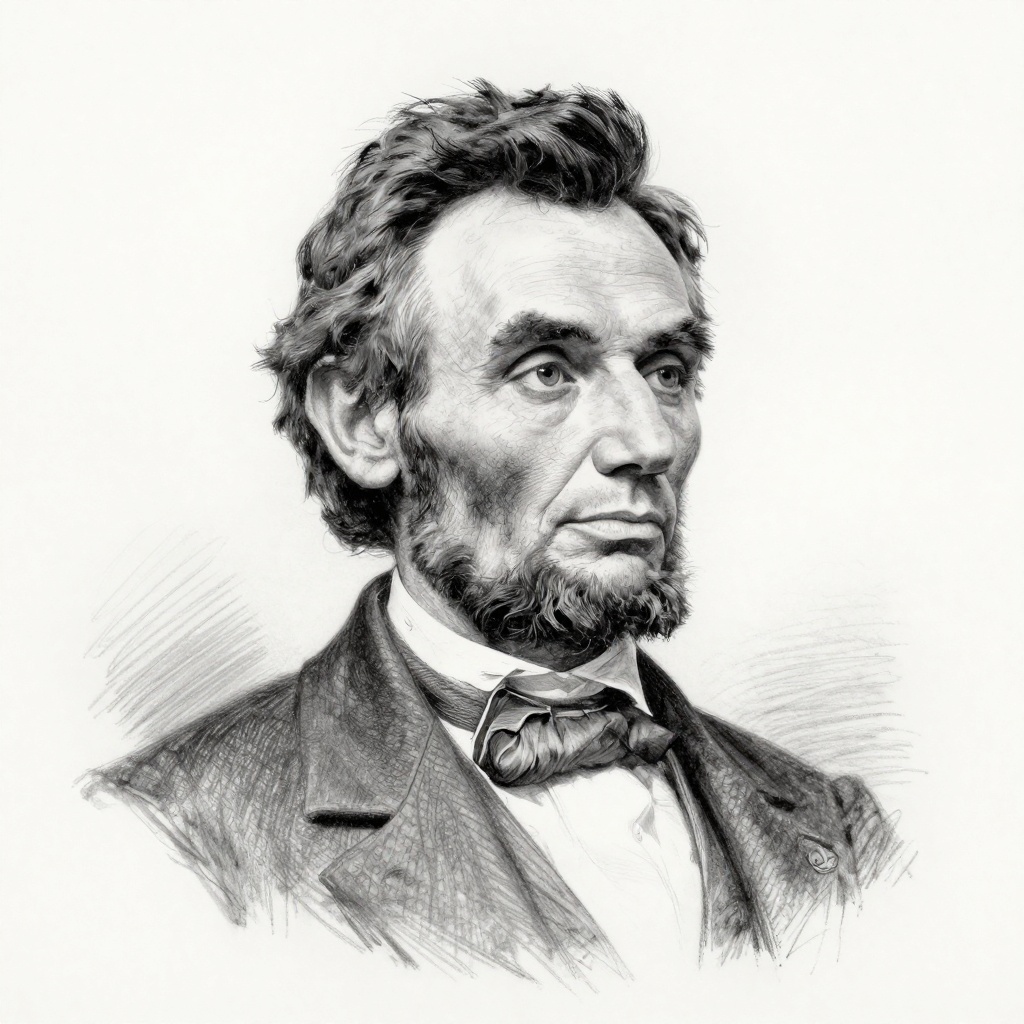
Honor to the soldier and sailor everywhere, who bravely bears his country's cause. Honor, also, to the citizen... — Abraham Lincoln

Honor to the soldier and sailor everywhere, who bravely bears his country's cause. Honor, also, to the citizen who cares for his brother in the field and serves, as he best can, the same cause.

Author: Abraham Lincoln

Insight: There's something quietly radical in Lincoln's framing here. He's not setting up a hierarchy where soldiers get all the glory while everyone else cheers from the sidelines. Instead, he's saying that the person tending to the wounded, organizing supplies, or holding down the community back home is doing equally important work—just in a different way. This matters now because we live in a culture that tends to spotlight the dramatic sacrifice while leaving the steady, unglamorous support work invisible. We celebrate the person who quits their job to pursue a dream, but rarely honor the friend who listens to them struggle, the parent who covers childcare so they can try, or the colleague who helps them think through a problem. Yet those people are doing exactly what Lincoln described: they're serving the same cause, just not in the obvious way. The deeper insight is that meaningful work rarely happens in isolation. Every significant effort—whether it's raising resilient kids, building something at work, or getting through a hard time—depends on both the person at the center and the network of people showing up around them. Lincoln was making space for both. We could use more of that kind of recognition in how we talk about what matters.

Source: Letter to Joseph Hooker, May 3, 1863

The unglamorous work that actually matters

Honor to the soldier and sailor everywhere, who bravely bears his country's cause. Honor, also, to the citizen who cares for his brother in the field and serves, as he best can, the same cause.

Abraham LincolnLetter to Joseph Hooker, May 3, 1863

There's something quietly radical in Lincoln's framing here. He's not setting up a hierarchy where soldiers get all the glory while everyone else cheers from the sidelines. Instead, he's saying that the person tending to the wounded, organizing supplies, or holding down the community back home is doing equally important work—just in a different way.

This matters now because we live in a culture that tends to spotlight the dramatic sacrifice while leaving the steady, unglamorous support work invisible. We celebrate the person who quits their job to pursue a dream, but rarely honor the friend who listens to them struggle, the parent who covers childcare so they can try, or the colleague who helps them think through a problem. Yet those people are doing exactly what Lincoln described: they're serving the same cause, just not in the obvious way.

The deeper insight is that meaningful work rarely happens in isolation. Every significant effort—whether it's raising resilient kids, building something at work, or getting through a hard time—depends on both the person at the center and the network of people showing up around them. Lincoln was making space for both. We could use more of that kind of recognition in how we talk about what matters.

AI generated

Comments

Sign in to leave a comment or reply to one.

Sign in

Abraham Lincoln

Abraham Lincoln was the 16th President of the United States, serving from 1861 until his assassination in 1865. He is best known for leading the country through the Civil War, preserving the Union, and issuing the Emancipation Proclamation that led to the abolition of slavery in the United States.

Graph

Related