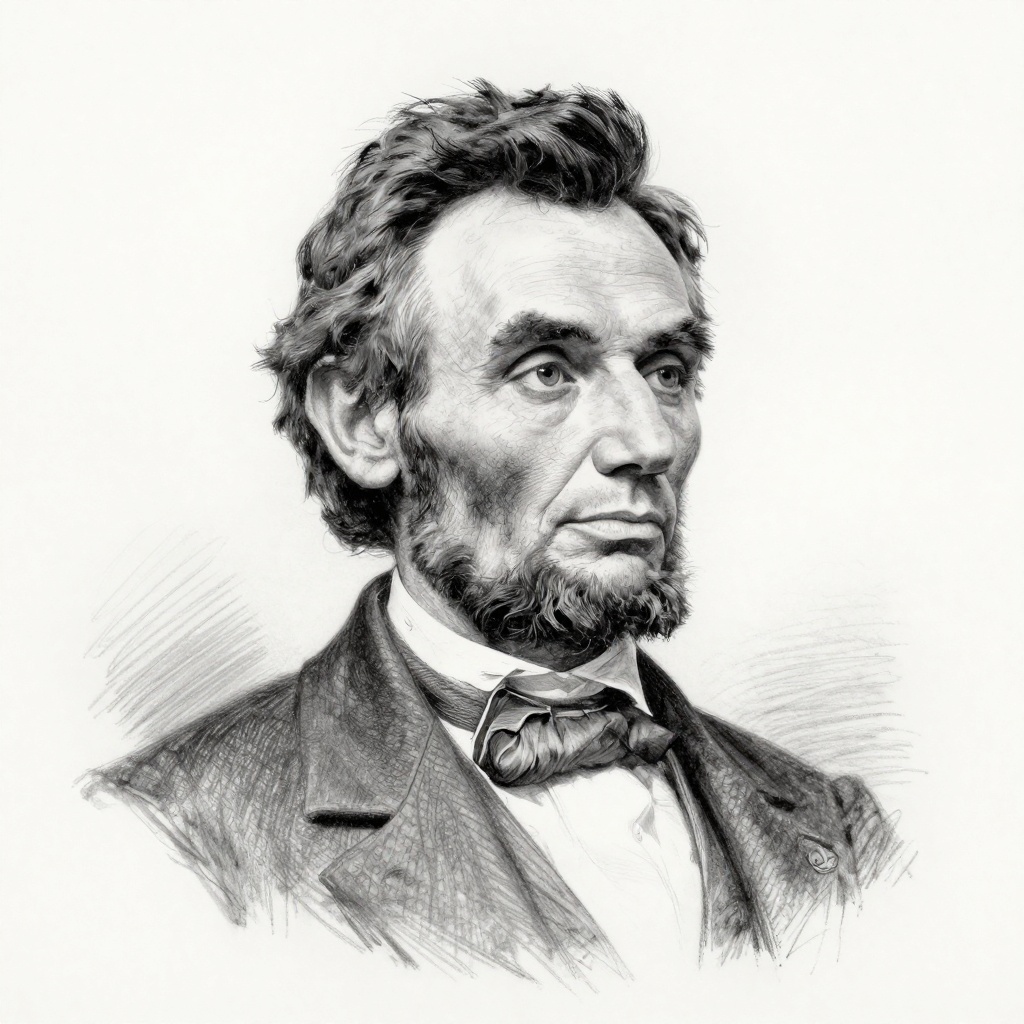
Fellow citizens, we cannot escape history. We, of this Congress and this administration, will be remembered in... — Abraham Lincoln

Fellow citizens, we cannot escape history. We, of this Congress and this administration, will be remembered in spite of ourselves. No personal significance, or insignificance, can spare one or another of us. The fiery trial through which we pass will light us down in honor or dishonor, to the latest generation.

Author: Abraham Lincoln

Insight: We live as if our choices don't matter—like we're small enough to slip through history unnoticed. But Lincoln's point cuts deeper than that: nobody gets to opt out. Whether you're leading a nation or raising a family, choosing your words in a meeting or staying silent when you shouldn't, you're being remembered. Not in some grand historical record, maybe, but in the people around you, in the culture you're shaping, in the habits you're teaching. The uncomfortable truth is that there's no such thing as a neutral action when you think about it over years. The "fiery trial" part is what sticks, though. Lincoln knew that the really consequential moments—the ones that define us—aren't comfortable. They're the times when doing the right thing costs something. It's easier to pretend we're insignificant, that our small choices don't echo forward. But they do. Your kids will remember how you handled a difficult conversation. Your community will remember what you stood for when it was inconvenient. The trial you're in right now, whatever it is, is actually a test. And you're already being judged by it, mostly by your own future self.

Source: Message to Congress, December 1, 1862

You're already being judged

Fellow citizens, we cannot escape history. We, of this Congress and this administration, will be remembered in spite of ourselves. No personal significance, or insignificance, can spare one or another of us. The fiery trial through which we pass will light us down in honor or dishonor, to the latest generation.

Abraham LincolnMessage to Congress, December 1, 1862

We live as if our choices don't matter—like we're small enough to slip through history unnoticed. But Lincoln's point cuts deeper than that: nobody gets to opt out. Whether you're leading a nation or raising a family, choosing your words in a meeting or staying silent when you shouldn't, you're being remembered. Not in some grand historical record, maybe, but in the people around you, in the culture you're shaping, in the habits you're teaching. The uncomfortable truth is that there's no such thing as a neutral action when you think about it over years.

The "fiery trial" part is what sticks, though. Lincoln knew that the really consequential moments—the ones that define us—aren't comfortable. They're the times when doing the right thing costs something. It's easier to pretend we're insignificant, that our small choices don't echo forward. But they do. Your kids will remember how you handled a difficult conversation. Your community will remember what you stood for when it was inconvenient. The trial you're in right now, whatever it is, is actually a test. And you're already being judged by it, mostly by your own future self.

AI generated

Comments

Sign in to leave a comment or reply to one.

Sign in

Abraham Lincoln

Abraham Lincoln was the 16th President of the United States, serving from 1861 until his assassination in 1865. He is best known for leading the country through the Civil War, preserving the Union, and issuing the Emancipation Proclamation that led to the abolition of slavery in the United States.

Graph

Related