Quote · Added 14 February 2026
Cherish that which is within you, and shut off that which is without; for much knowledge is a curse.
ZhuangziZhuang Zi, translation Giles, p. 161, 1889
No ratings yet
Quote · Added 14 February 2026
There's something almost rebellious about this ancient advice, especially now. We live in an age of infinite information—we can access nearly anything instantly—yet we're more anxious and scattered than ever. Zhuangzi isn't saying don't learn; he's pointing at something subtler: the difference between what genuinely nourishes you and what just clutters your mind. That endless scroll of news, opinions, and other people's dramas? It crowds out your own clarity.
The tricky part is that "much knowledge" doesn't mean knowing a lot about things that matter to you. It means the exhausting consumption of everything, the constant sense that you're falling behind if you don't know about the latest crisis, trend, or controversy. There's a real cost to that—not intellectual, but spiritual. Your attention becomes fragmented. Your intuition gets drowned out by borrowed anxieties.
Cherishing what's within means trusting your own experience, your genuine curiosity, your actual values—not the values the algorithm is serving you. It means being willing to be ignorant about plenty of things. That's not anti-intellectual. It's defensive. It's protecting the mental and emotional space where your own thinking can actually happen.
d. 286
Zhuangzi was an influential Chinese philosopher during the Warring States period, known for his contributions to Daoism. His work, also titled "Zhuangzi," is a foundational text that explores themes of relativism, spontaneity, and the nature of reality through parables and allegorical stories. Zhuangzi's philosophy emphasizes embracing life's uncertainties and the limitations of human understanding.
Also by Zhuangzi
Happiness is the absence of the striving for happiness.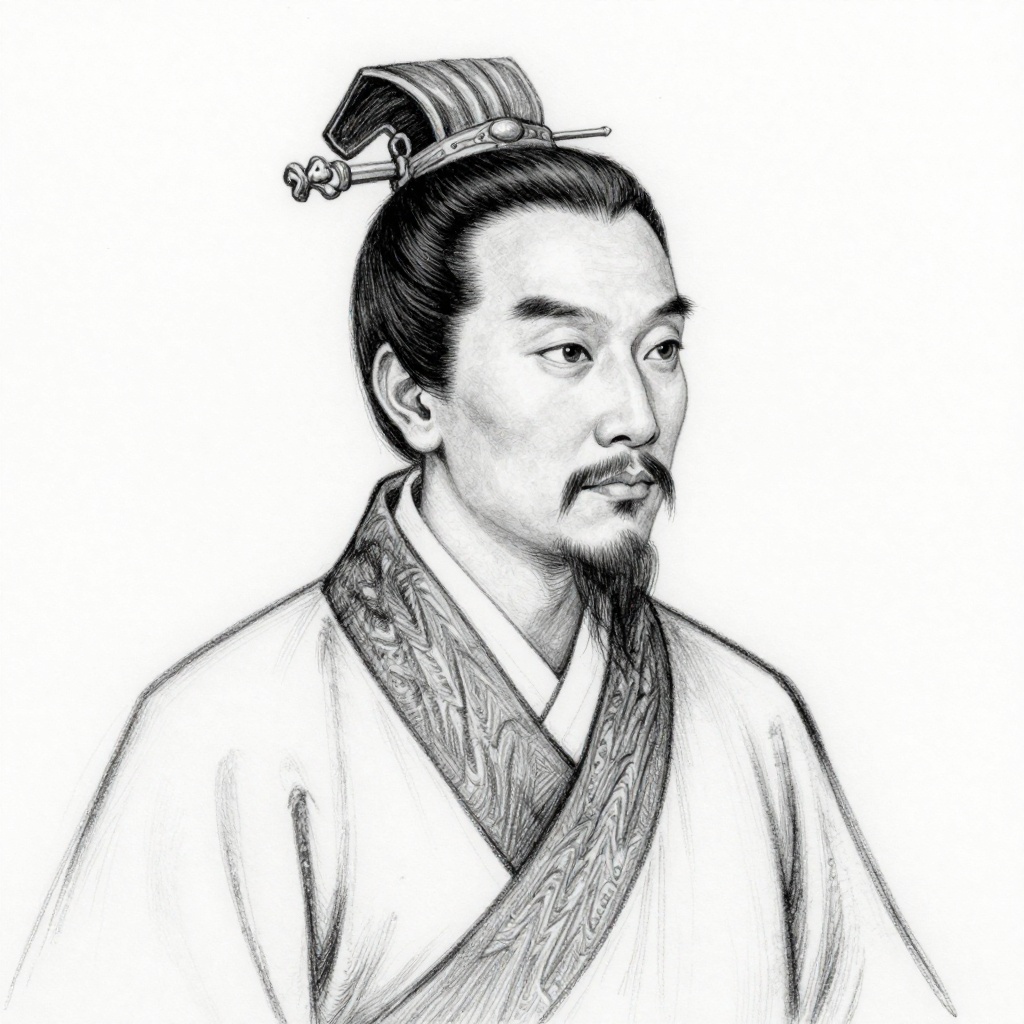
Comments