Quote · Added 14 February 2026
Happiness is the absence of the striving for happiness.
ZhuangziChuang Tzŭ (Giles)/Chapter 18, Wikisource
No ratings yet
Filed underhappiness·contentment·perspective
Quote · Added 14 February 2026
Filed underhappiness·contentment·perspective
We're taught that happiness is something to hunt down—a goal to optimize for, like fitness or income. So we read the books, try the techniques, compare our lives to others' curated moments online. The irony is that this constant reaching for happiness often pushes it further away. We become so focused on whether we're happy yet that we miss the actual good moments happening around us.
There's something almost liberating in flipping this around. When you stop treating happiness as a target to hit, something shifts. You might find yourself absorbed in a conversation, genuinely curious about someone, or lost in work that matters to you—and only later realize you felt good. The happiness was already there; you just weren't looking for it. This doesn't mean giving up or becoming passive. It means pouring energy into the things that actually engage you rather than performing contentment.
The catch is that this wisdom only works if you actually stop striving. Half-striving—checking off self-care tasks while secretly judging yourself for not being happier—defeats the point entirely. But those moments when you're genuinely absorbed in living, not measuring it? That's where you find what you stopped looking for.
d. 286
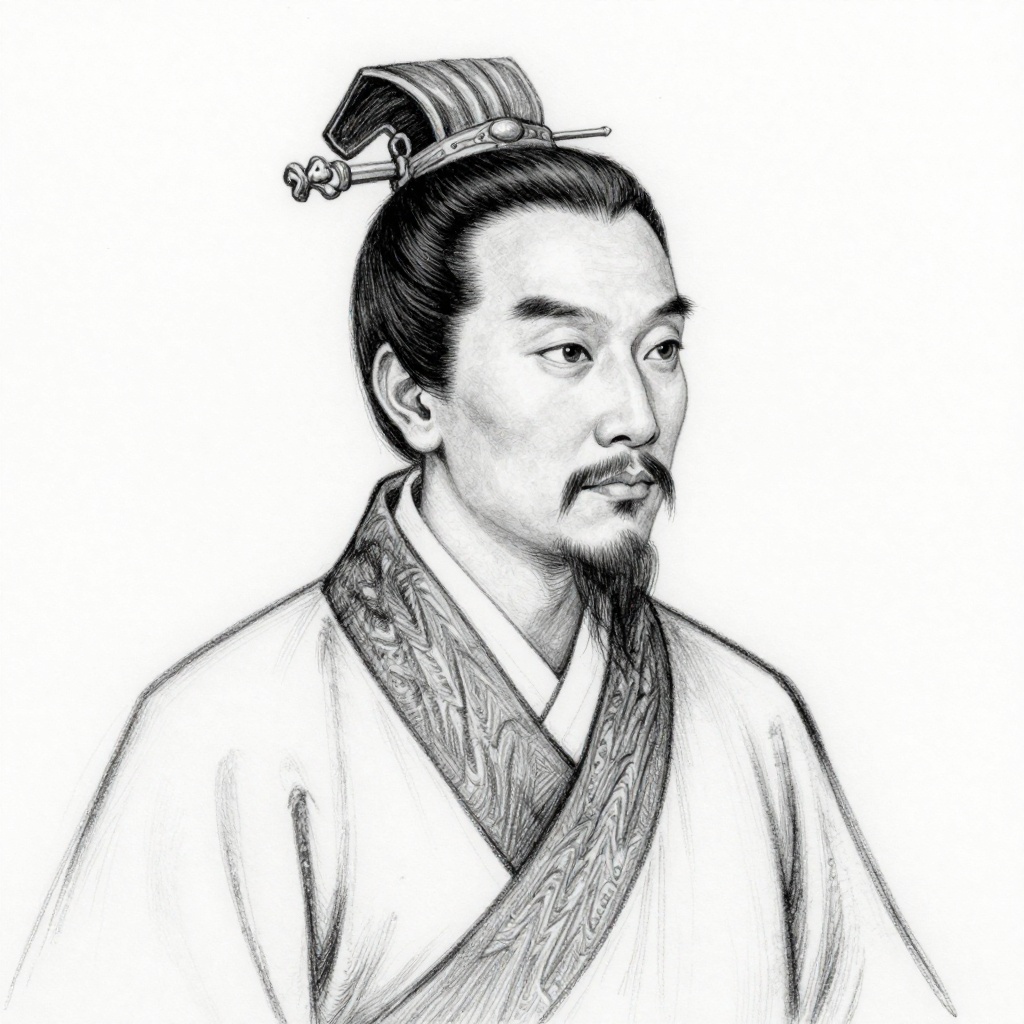
Zhuangzi was an influential Chinese philosopher during the Warring States period, known for his contributions to Daoism. His work, also titled "Zhuangzi," is a foundational text that explores themes of relativism, spontaneity, and the nature of reality through parables and allegorical stories. Zhuangzi's philosophy emphasizes embracing life's uncertainties and the limitations of human understanding.
Comments