Quote · Added 28 February 2026
The music is not in the notes, but in the silence between.
No ratings yet
Quote · Added 28 February 2026
We often chase the obvious—the words someone says, the action they take, the achievement on their résumé. But Mozart points to something we feel all the time but rarely name: the power lives in what's withheld, paused, or left unfinished. In music, silence isn't absence. It's the moment where the listener catches up, where meaning settles, where anticipation builds. Without it, every note would crash into the next one, creating noise instead of music.
This applies far beyond concert halls. A text message left unread for a day sometimes says more than an immediate response. A conversation where you actually stop talking and let someone else fill the silence often reveals more truth than if you'd kept going. Even in your own thinking, the breaths between thoughts—those moments when you're not forcing an answer—are where genuine insight arrives.
The tricky part is that our culture rewards the obvious. We praise the person who fills every silence, who's always producing, always visible. But the people we remember most often are those who knew when to step back, when to listen, when to let space do the work. Mozart's wisdom is a quiet rebellion against noise.
1756–1791·lived 35 years
Wolfgang Amadeus Mozart (1756–1791) was an Austrian composer and prodigy who is widely regarded as one of the greatest composers in the history of Western music. Known for his operas, symphonies, piano concertos, and chamber music, Mozart created timeless works such as "The Magic Flute," "Piano Sonata No. 11," and "Symphony No. 40."
Also by Wolfgang Amadeus Mozart
I thank my God for graciously granting me the opportunity of learning that death is the ke...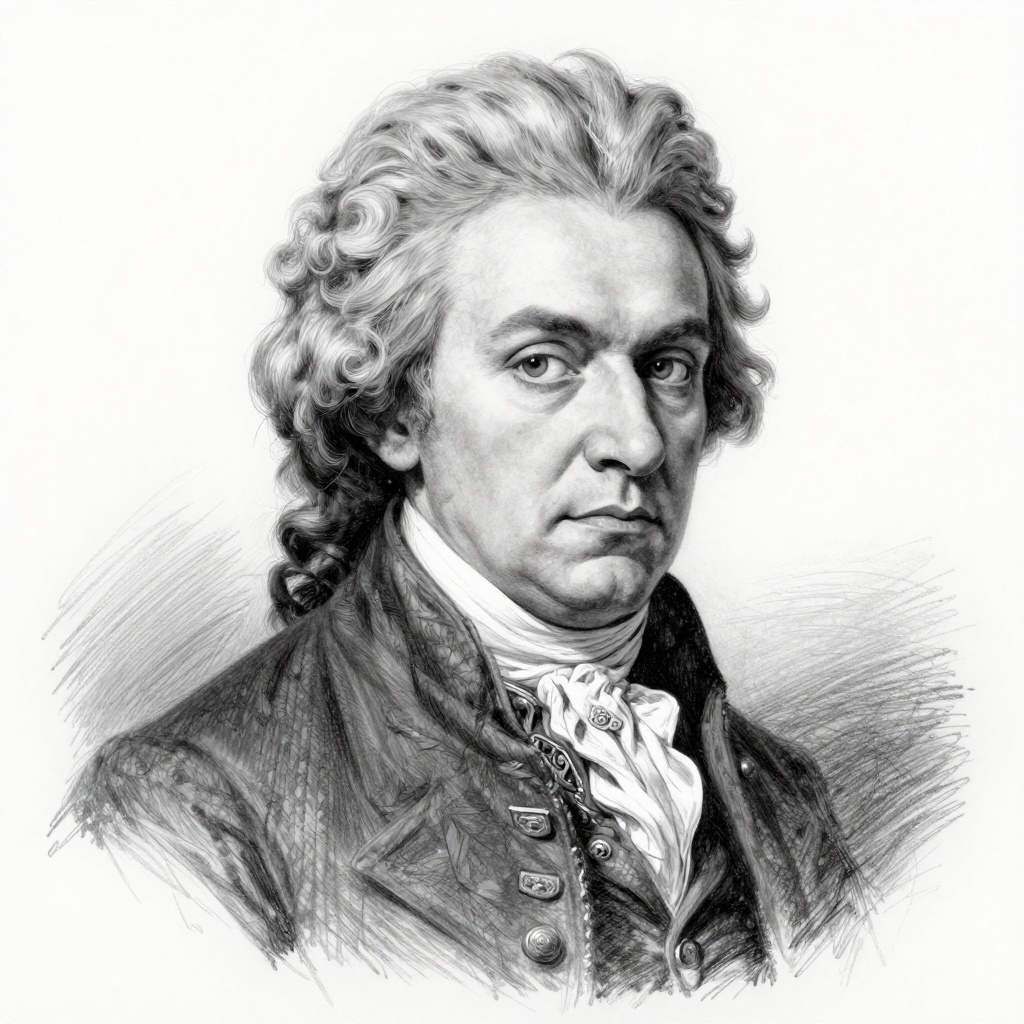
Comments