Quote · Added 10 February 2026
To begin, begin.
Filed underbeginning·action·motivation
Quote · Added 10 February 2026
Filed underbeginning·action·motivation
There's something almost ridiculously simple about this advice, which is probably why we ignore it so reliably. We're stuck waiting—waiting to feel more confident, to have the perfect plan, to feel less scared, to understand exactly how it'll all turn out. And in that waiting, time just evaporates. Wordsworth's point isn't that you should rush blindly into things. It's that the only way to actually start is to, well, start. Not to prepare for starting. Not to get ready to begin. Just to begin.
What's surprising is how often the act of beginning itself changes everything. You think you need certainty before you write, but writing teaches you what you think. You imagine needing ideal conditions before you call someone, but the conversation itself dissolves half your anxiety. The beginning is rarely as momentous as we build it up to be in our heads. It's just the first step, and steps are only hard until you take one.
This hits differently now because we're surrounded by permission and resources and infinite potential starts. The barrier isn't opportunity anymore—it's our own reluctance to look foolish, to be imperfect, to fail at something that matters. But every person who's actually done anything started exactly where you are: uncertain, a little nervous, and just beginning anyway.
1770–1850·lived 80 years
William Wordsworth (1770–1850) was an English Romantic poet known for his lyrical poetry and profound exploration of nature, human emotions, and the power of the imagination. He, along with Samuel Taylor Coleridge, published "Lyrical Ballads" in 1798, which marked the beginning of the Romantic movement in English literature. Wordsworth's most famous works include "Lines Composed a Few Miles Above Tintern Abbey" and "I Wandered Lonely as a Cloud."
Also by William Wordsworth
The mind that is wise mourns less for what age takes away; than what it leaves behind.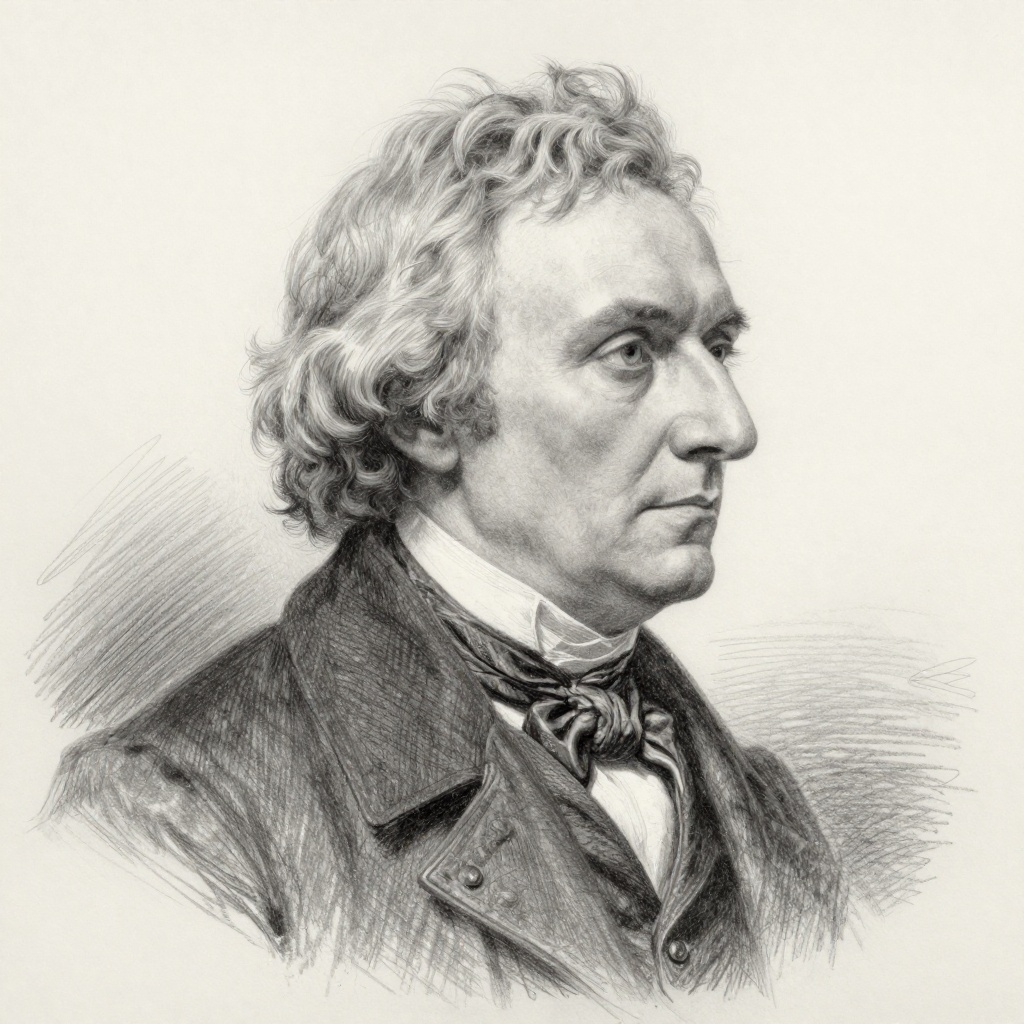
Comments