Quote · Added 10 February 2026
The child is father of the man.
William WordsworthThe Prelude, Book I, 1805
Quote · Added 10 February 2026
We often think of growing up as leaving our younger selves behind, as if childhood is just scaffolding to be dismantled once we reach adulthood. But Wordsworth is suggesting something closer to the truth: who you become is genuinely built from who you were. The boy who was afraid of the dark might become an adult who thinks deeply about fear. The girl who collected things becomes someone with a collector's eye for detail. Your core sensitivities, your instinctive reactions, your particular way of caring about the world—these aren't outgrown so much as they're translated into your adult life.
This matters now because we're often pressured to "mature out of" parts of ourselves that might actually be sources of strength. The adult who still loves wonder, who gets moved by small things, who asks questions like a child does—we're tempted to see this as incomplete. But maybe that's backwards. Maybe your childlike capacity for curiosity or feeling isn't something to overcome; it's the foundation everything good gets built on.
The unsettling flip side: your childhood wounds, your early fears and shame, those don't just disappear either. They shape how you move through the world. Understanding this isn't depressing so much as it's clarifying. You're not trying to become someone entirely new. You're becoming the fullest version of who you already are.
1770–1850·lived 80 years
William Wordsworth (1770–1850) was an English Romantic poet known for his lyrical poetry and profound exploration of nature, human emotions, and the power of the imagination. He, along with Samuel Taylor Coleridge, published "Lyrical Ballads" in 1798, which marked the beginning of the Romantic movement in English literature. Wordsworth's most famous works include "Lines Composed a Few Miles Above Tintern Abbey" and "I Wandered Lonely as a Cloud."
Also by William Wordsworth
The mind that is wise mourns less for what age takes away; than what it leaves behind.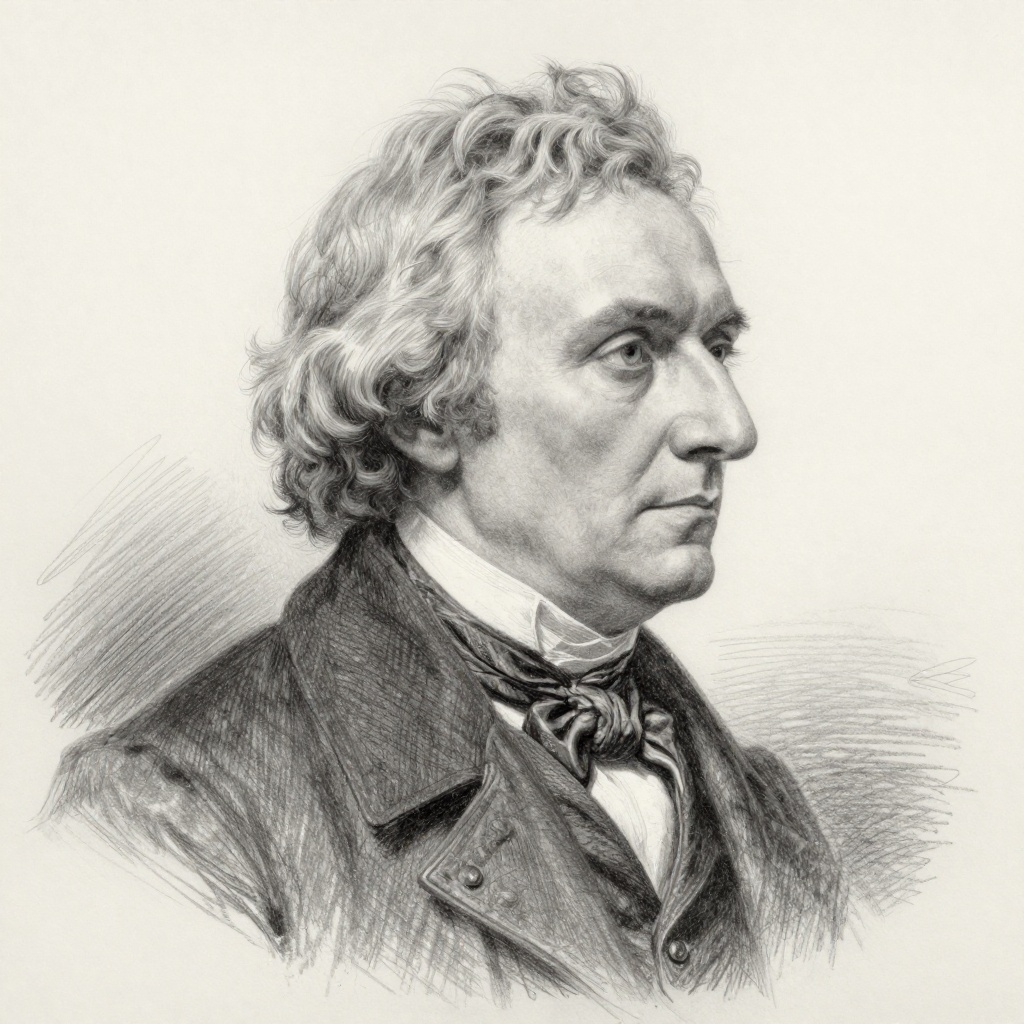
Comments