Quote · Added 14 February 2026
That best portion of a man's life, his little, nameless, unremembered acts of kindness and love.
William WordsworthThe Socratic Method
Quote · Added 14 February 2026
We're obsessed with legacy—the big moments we think will define us. We imagine ourselves remembered for achievements, accomplishments, maybe a clever thing we said once. But Wordsworth is pointing at something almost backward: the moments that don't stick in anyone's memory, including our own, often matter most. That patient conversation with a coworker who was struggling. The time you let someone merge in traffic without honking. Small gestures that dissolve into the day and leave no trace.
What makes this observation surprisingly radical is how it inverts what we value. We've built entire lives around visibility and impact, yet Wordsworth suggests our real substance lives in the invisible. A parent helping a child without expecting gratitude. A friend listening without trying to fix things. These aren't Instagram moments—they're too ordinary, too unmeasurable. Yet somehow they're the thread that actually holds communities together.
The gift of seeing it this way is permission to stop performing goodness for an imagined audience. You don't need to be remembered as kind. You just need to be kind, quietly and often, in the moments that feel too small to matter. That's where the actual weight of a life accumulates.
1770–1850·lived 80 years
William Wordsworth (1770–1850) was an English Romantic poet known for his lyrical poetry and profound exploration of nature, human emotions, and the power of the imagination. He, along with Samuel Taylor Coleridge, published "Lyrical Ballads" in 1798, which marked the beginning of the Romantic movement in English literature. Wordsworth's most famous works include "Lines Composed a Few Miles Above Tintern Abbey" and "I Wandered Lonely as a Cloud."
Also by William Wordsworth
The mind that is wise mourns less for what age takes away; than what it leaves behind.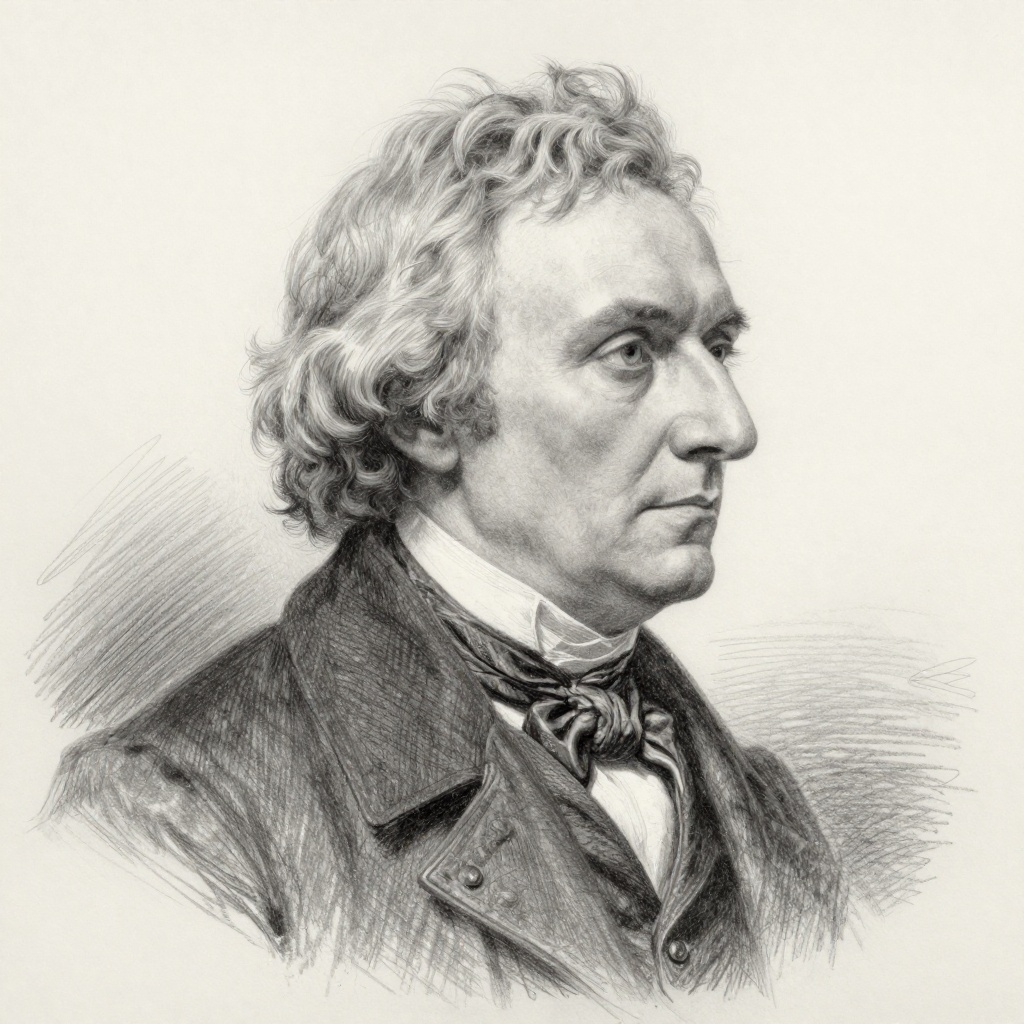
Comments