Quote · Added 14 February 2026
Poetry is the spontaneous overflow of powerful feelings: it takes its origin from emotion recollected in tranquility.
William WordsworthPreface to Lyrical Ballads, 1800
Filed underpoetry·emotion·tranquility
Quote · Added 14 February 2026
Filed underpoetry·emotion·tranquility
We usually think of poetry as something that requires a cool head and careful craft—sitting at a desk, revising endlessly, choosing exactly the right word. But Wordsworth is pointing at something deeper: that the real spark comes from feeling first, thinking second. The poem arrives because something moved you so much that you had to capture it. Without that initial rush of emotion, all the technique in the world feels hollow.
The trick is what he calls "recollection in tranquility." You don't write the poem in the storm of feeling itself—you'd just be flailing. You need space. You need to let the emotion settle, steep, become clear enough to shape into words. This is why some of your best ideas come not during the crisis but days later, in the shower or on a walk. The distance lets you see what actually mattered beneath the chaos.
This applies far beyond poetry. It's why the angry email you draft right now usually isn't the one you send. It's why the most honest conversations often happen after you've both cooled down. Wordsworth is describing something true about how meaning actually works: we need both the fire and the clarity, the feeling and the thinking. Skip either one, and you're left with something incomplete.
1770–1850·lived 80 years
William Wordsworth (1770–1850) was an English Romantic poet known for his lyrical poetry and profound exploration of nature, human emotions, and the power of the imagination. He, along with Samuel Taylor Coleridge, published "Lyrical Ballads" in 1798, which marked the beginning of the Romantic movement in English literature. Wordsworth's most famous works include "Lines Composed a Few Miles Above Tintern Abbey" and "I Wandered Lonely as a Cloud."
Also by William Wordsworth
The mind that is wise mourns less for what age takes away; than what it leaves behind.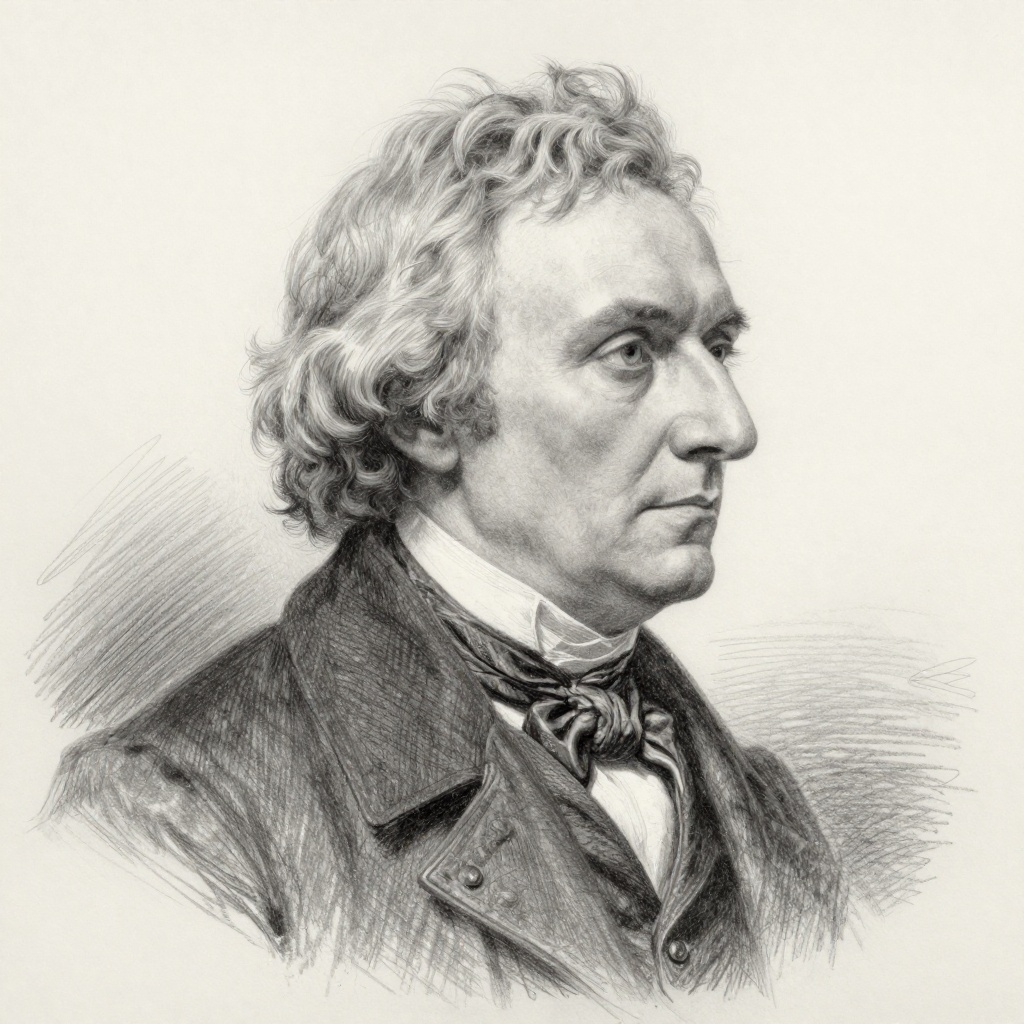
Comments