Quote · Added 14 February 2026
When we are born we cry that we are come to this great stage of fools.
William ShakespeareKing Lear, Act 4, Scene 6
Quote · Added 14 February 2026
We tend to think of babies crying as a simple biological need—hunger, discomfort, the basic signals of an infant body. But Shakespeare saw something darker in that first cry: a kind of protest against existence itself. He's suggesting that we enter the world already aware, on some level, that we're walking onto a stage where foolishness is the main feature.
This lands differently in our modern moment, where we're often expected to be constantly optimistic about life. The pressure to see everything as an opportunity, a blessing, a chance to "live your best life" can feel relentless. Shakespeare gives permission for a rawer truth: that it's completely reasonable to look around at human behavior—the contradictions we live with, the absurd games we play, the suffering we inflict—and feel something closer to bewilderment than gratitude. That initial cry isn't weakness; it's clarity.
The real sting of the quote is that we don't stop crying about it. We just get better at hiding the cry, replacing it with compliance or cynicism or productivity. Maybe wisdom isn't about accepting the foolishness—it's about never quite losing that first instinct to question whether all this performing is actually worth it.
1564–1616·lived 52 years
William Shakespeare was an English playwright and poet, widely regarded as one of the greatest writers in the English language. Known for his iconic works such as "Romeo and Juliet," "Hamlet," and "Macbeth," Shakespeare's plays continue to be performed and studied around the world, showcasing his profound understanding of human nature and his timeless storytelling.
Also by William Shakespeare
Life is a tale told by an idiot, full of sound and fury, signifying nothing.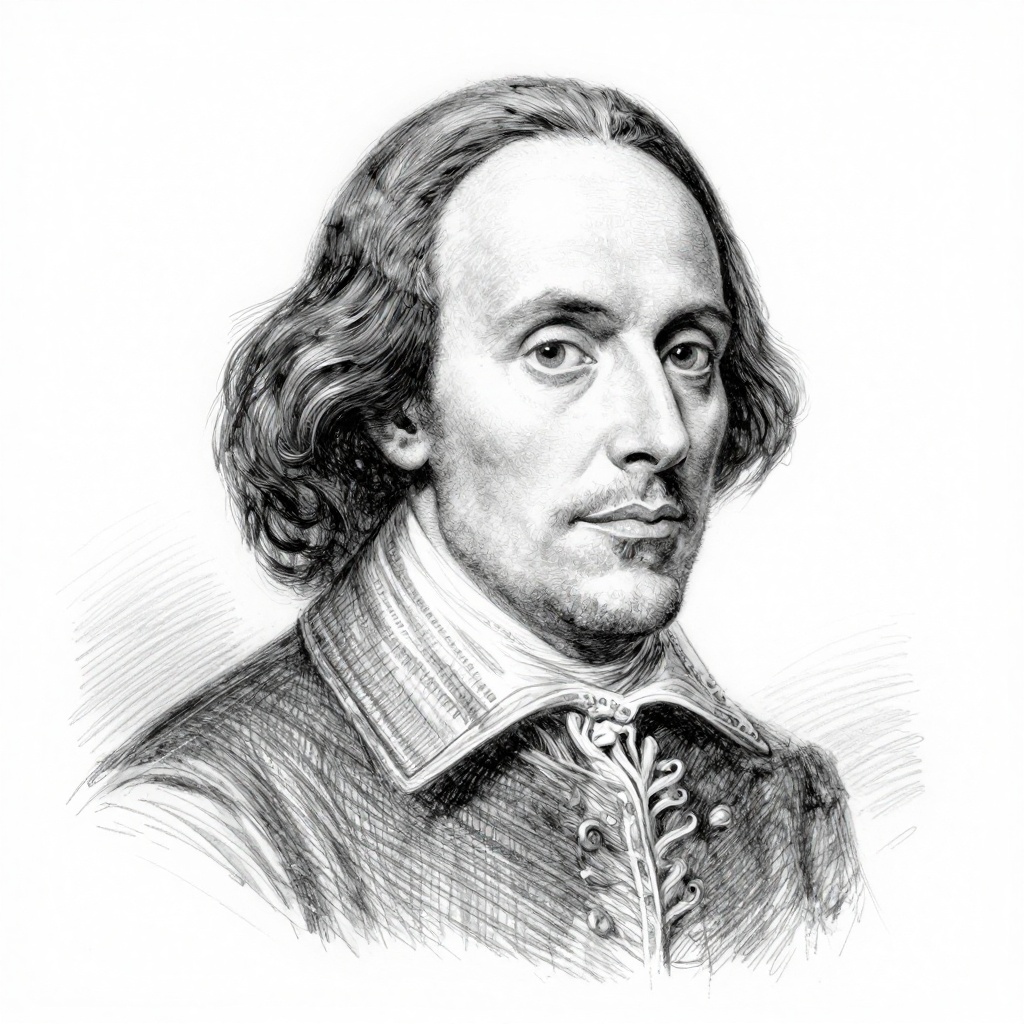
Comments