Quote · Added 14 February 2026
Virtue is bold, and goodness never fearful.
William ShakespeareMeasure for Measure, 1623
Quote · Added 14 February 2026
We usually think of virtue as playing it safe—following the rules, staying quiet, not making waves. But Shakespeare is pointing at something different: real goodness requires spine. It means speaking up when everyone else is silent, admitting you're wrong, choosing the harder path because it's right, not because it'll make you popular. A truly good person doesn't shrink from difficult conversations or unpopular stands. They move forward anyway.
This feels urgent now because we live in a culture where it's easier to perform virtue—post the right things, avoid saying anything controversial—than to actually practice it. Real boldness is messier. It's telling a friend something they need to hear even if it damages the relationship. It's standing by a principle when your community has moved on. It's admitting failure instead of protecting your image. These acts often feel riskier than they actually are, which is partly why we avoid them.
The flip side matters too: when you notice yourself being afraid to do something good, that's useful information. Fear often signals that you're about to do something real, something that actually costs you something. Shakespeare is suggesting that hesitation might be pointing you toward exactly where you need to go.
1564–1616·lived 52 years
William Shakespeare was an English playwright and poet, widely regarded as one of the greatest writers in the English language. Known for his iconic works such as "Romeo and Juliet," "Hamlet," and "Macbeth," Shakespeare's plays continue to be performed and studied around the world, showcasing his profound understanding of human nature and his timeless storytelling.
Also by William Shakespeare
Life is a tale told by an idiot, full of sound and fury, signifying nothing.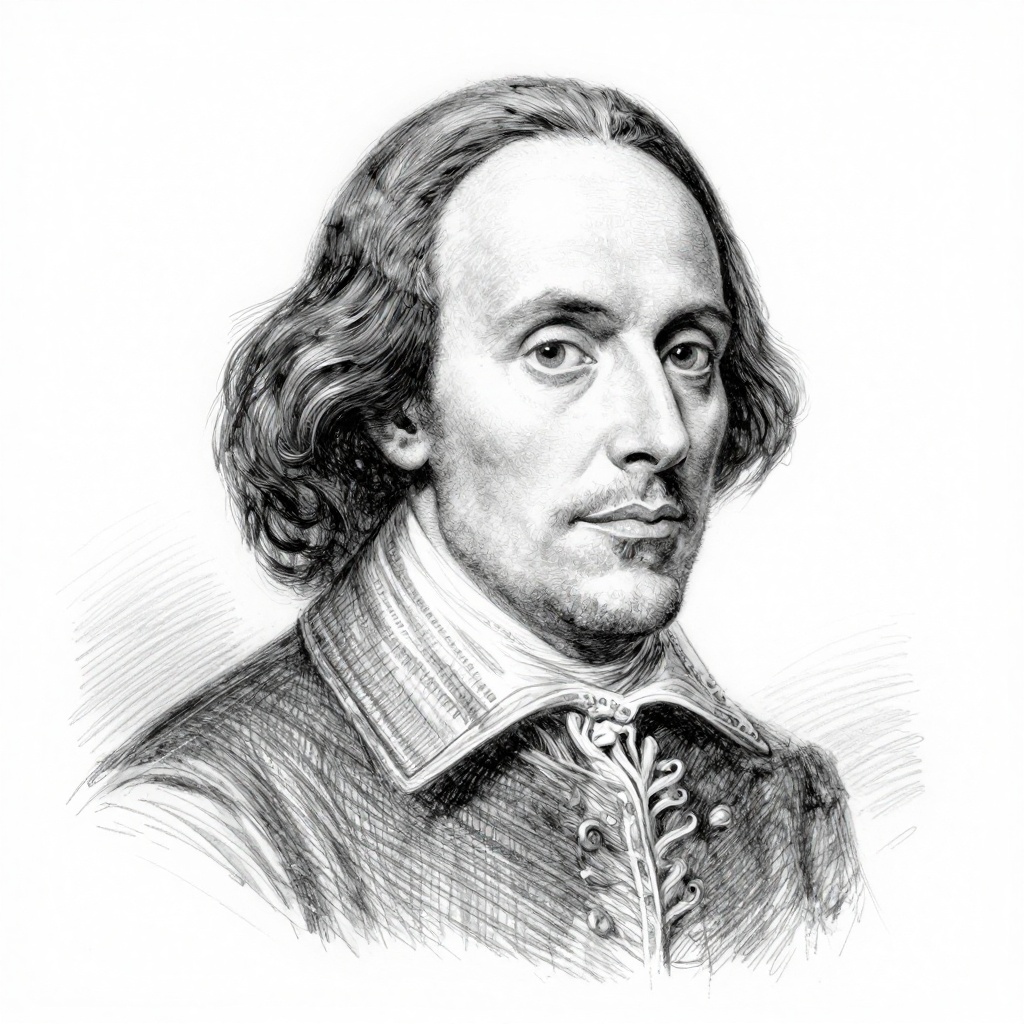
Comments