Quote · Added 14 February 2026
To be, or not to be, that is the question.
William ShakespeareHamlet, Act 3, Scene 1
Filed underexistence·choice·contemplation
Quote · Added 14 February 2026
Filed underexistence·choice·contemplation
We tend to think of this line as pure philosophy—a grand meditation on existence itself. But if you sit with it honestly, it's really about paralysis. Hamlet isn't pondering whether life has meaning in some abstract way. He's stuck. He's facing a choice so overwhelming that it feels like the only question that matters is whether to engage with life at all or opt out. And that's something most of us understand more than we'd like to admit. Maybe not in such dramatic terms, but in smaller ways: should I take this risk or play it safe? Should I have this difficult conversation or avoid it? Should I keep trying or accept defeat?
What makes the line so enduring is that Shakespeare captures something true about human nature: sometimes the hardest part isn't making a decision between two clear options. It's deciding whether you're even going to show up and try. The real weight isn't in the specific choice ahead—it's in whether you're willing to step into uncertainty at all. That hesitation before commitment, that moment when you wonder if the effort is worth it, is perhaps the most honest question any of us can ask. And maybe just asking it is sometimes the first step toward answering it.
1564–1616·lived 52 years
William Shakespeare was an English playwright and poet, widely regarded as one of the greatest writers in the English language. Known for his iconic works such as "Romeo and Juliet," "Hamlet," and "Macbeth," Shakespeare's plays continue to be performed and studied around the world, showcasing his profound understanding of human nature and his timeless storytelling.
Also by William Shakespeare
Life is a tale told by an idiot, full of sound and fury, signifying nothing.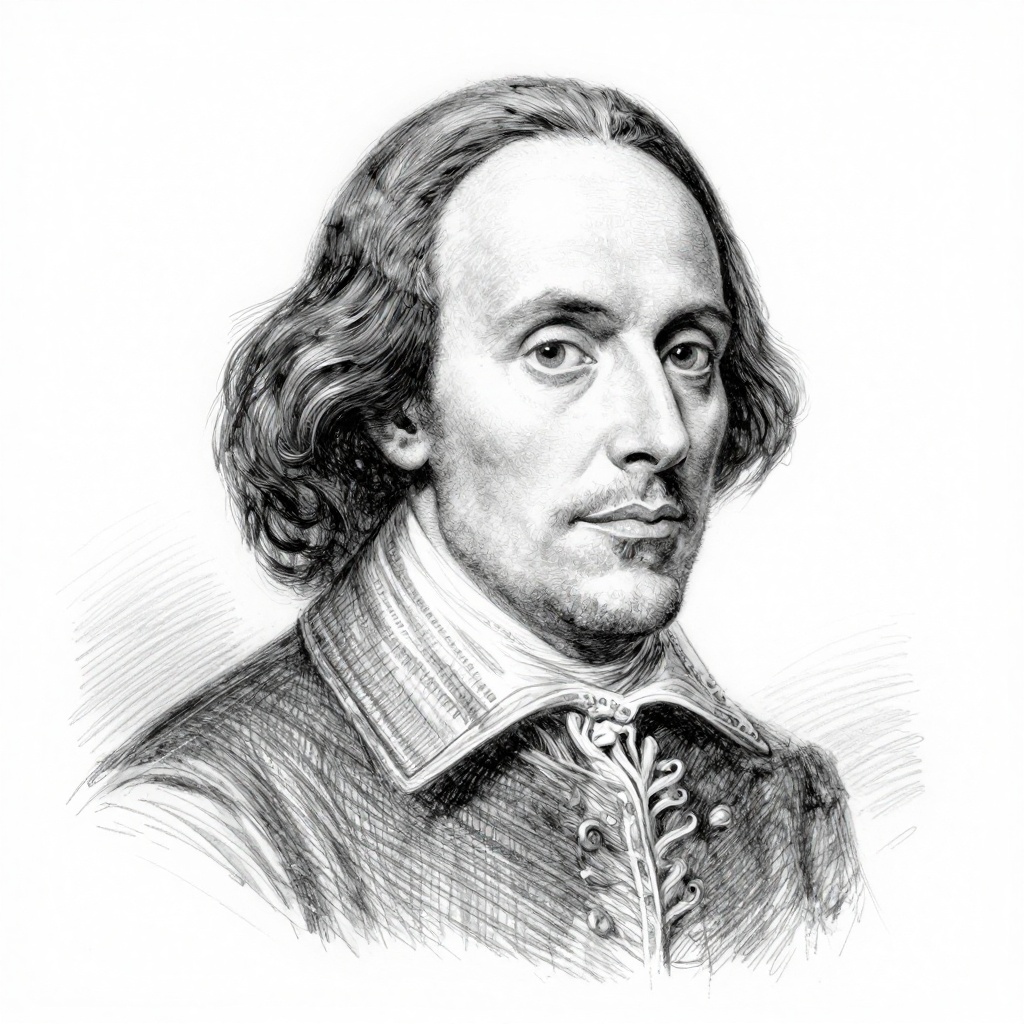
Comments