Quote · Added 14 February 2026
The lunatic, the lover, and the poet, are of imagination all compact.
William ShakespeareA Midsummer Night's Dream, Act 5, Scene 1
Filed underimagination·creativity·emotion
Quote · Added 14 February 2026
Filed underimagination·creativity·emotion
There's something almost reckless about imagination—the way it lets us see things that aren't there yet, or remake things that are. Shakespeare noticed that the person obsessed with an idea, the person swept up in love, and the person crafting art all share the same essential quality: they've stepped sideways from the world as it literally is. They're operating in a parallel version where their inner vision actually matters more than external reality.
The tricky part is that imagination doesn't distinguish between these three categories. The same intensity that lets an artist create something beautiful can also trap someone in an unhealthy fixation. Love can feel like genius or like delusion, sometimes both at once. We tend to celebrate the poet's imagination while dismissing the obsessive person's as mere fantasy. But they're using the same muscle—the ability to live vividly in a world most people can't see.
Maybe the real insight isn't that these three are the same, but that we all contain a bit of each. The question isn't whether to trust imagination, but when to follow it and when to step back and check reality. Imagination without some grounding becomes fantasy; reality without imagination becomes suffocation. The trick is knowing which one you're serving in any given moment.
1564–1616·lived 52 years
William Shakespeare was an English playwright and poet, widely regarded as one of the greatest writers in the English language. Known for his iconic works such as "Romeo and Juliet," "Hamlet," and "Macbeth," Shakespeare's plays continue to be performed and studied around the world, showcasing his profound understanding of human nature and his timeless storytelling.
Also by William Shakespeare
Life is a tale told by an idiot, full of sound and fury, signifying nothing.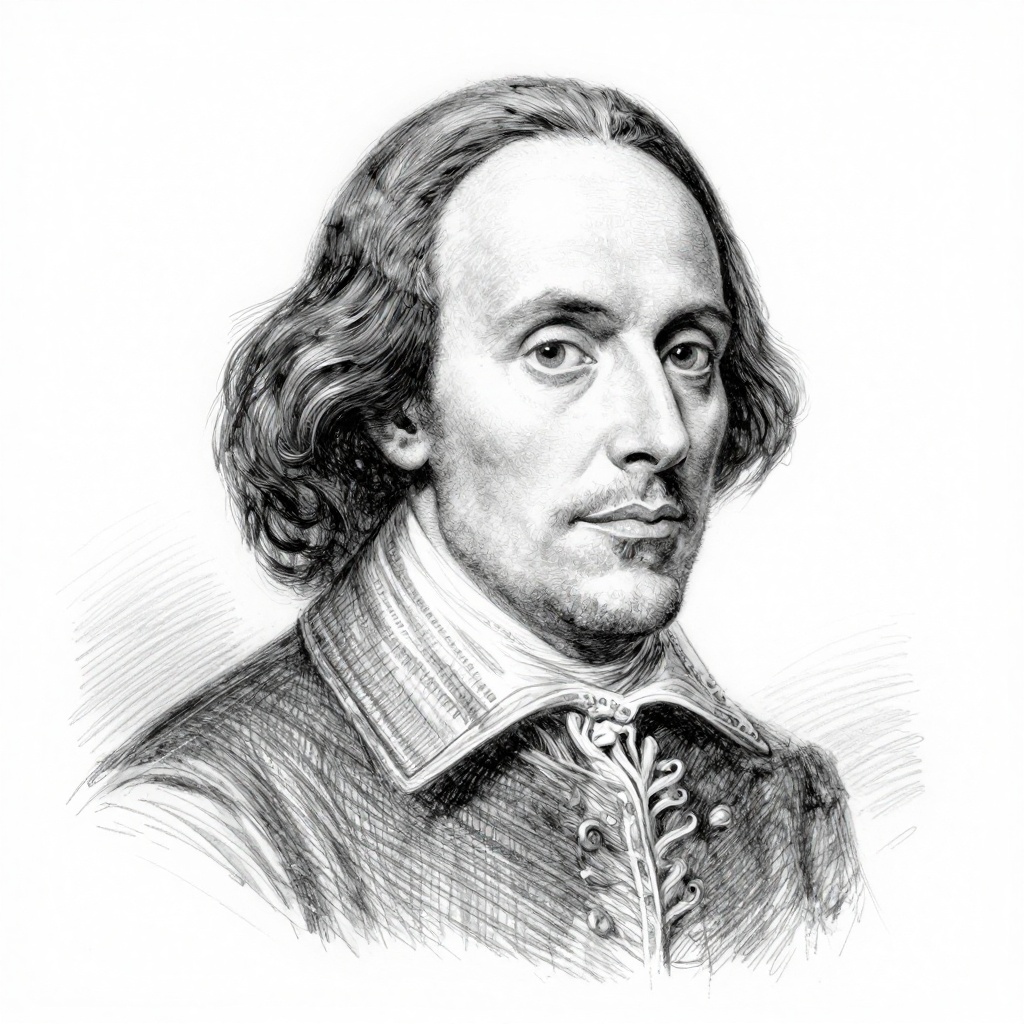
Comments