Quote · Added 15 February 2026
The fool doth think he is wise, but the wise man knows himself to be a fool.
Filed underwisdom·humility·self-awareness
Quote · Added 15 February 2026
Filed underwisdom·humility·self-awareness
There's a weird paradox baked into how knowledge actually works: the more you learn about something, the more you realize how much you don't know. A beginner confidently assumes they've grasped the basics. Someone genuinely knowledgeable keeps bumping into complexity and exceptions they didn't anticipate.
This matters more now than ever, when confident wrongness spreads faster than careful uncertainty. We're surrounded by people presenting half-understood ideas as gospel—on social media, in arguments with friends, even in our own heads when we're tired and oversimplifying. The truly competent people in any field tend to be the ones most willing to say "I'm not sure" or "that's outside what I actually know." That hesitation isn't weakness; it's calibration.
The non-obvious part: this isn't really about intellectual humility as a virtue you choose. It's about what actually happens inside your brain when you study something deeply. You can't fake this kind of doubt. You either genuinely encounter your own limitations and adjust, or you stay trapped in confident ignorance. The choice is whether you'll keep learning enough to feel that productive uncertainty—or stop learning and get comfortable with what you think you know.
1564–1616·lived 52 years
William Shakespeare was an English playwright and poet, widely regarded as one of the greatest writers in the English language. Known for his iconic works such as "Romeo and Juliet," "Hamlet," and "Macbeth," Shakespeare's plays continue to be performed and studied around the world, showcasing his profound understanding of human nature and his timeless storytelling.
Also by William Shakespeare
Life is a tale told by an idiot, full of sound and fury, signifying nothing.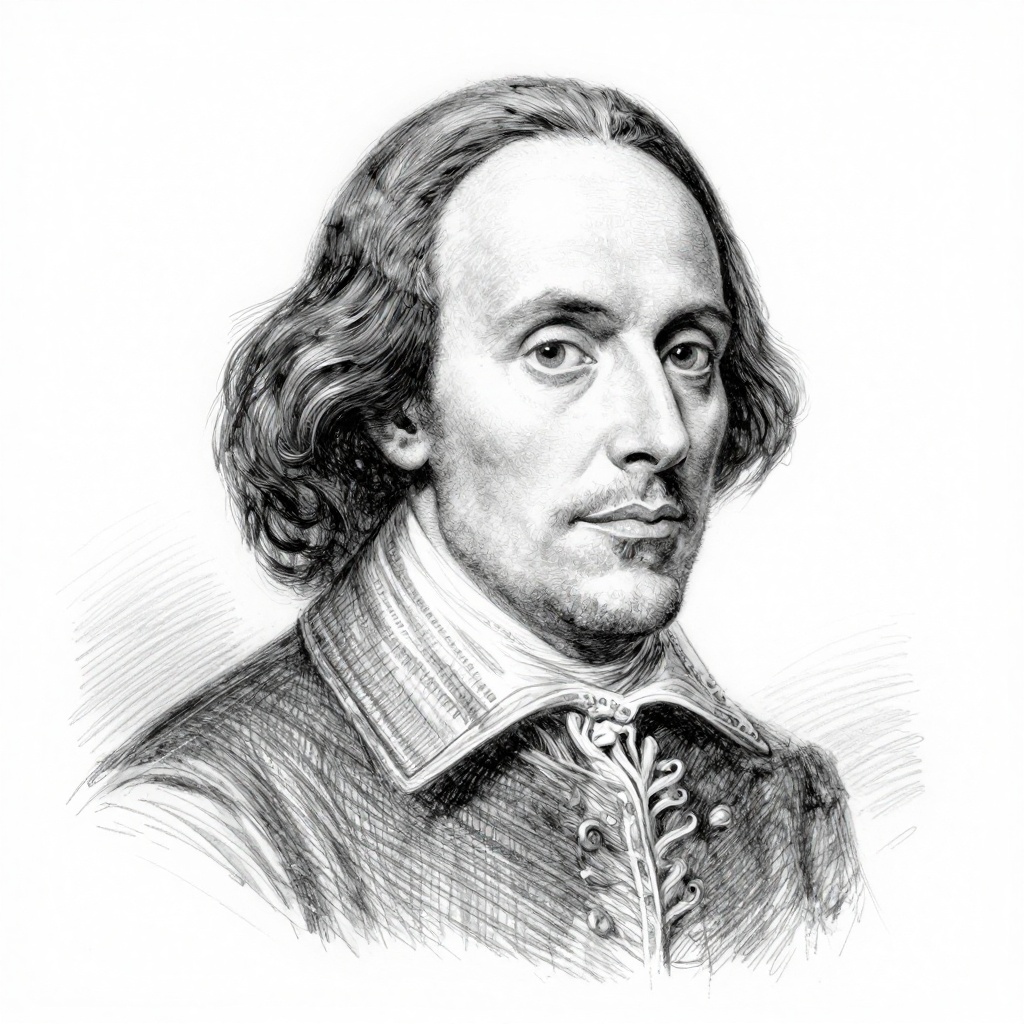
Comments