Quote · Added 10 February 2026
Some are born great, some achieve greatness, and some have greatness thrust upon them.
William ShakespeareTwelfth Night, Act 2, Scene 5
Filed undergreatness·achievement·destiny
Quote · Added 10 February 2026
Filed undergreatness·achievement·destiny
We tend to think of greatness as something reserved for the naturally gifted—people born with advantages, talent, or connections we'll never have. But Shakespeare's insight cuts deeper than that. He's describing three completely different paths, and the key thing about them is that none of them requires you to be exceptional from the start. You might stumble into an opportunity you never sought. You might wake up one day and decide to pursue something with real focus. Or you might simply have the lucky accident of being in the right place.
What makes this relevant today is how much we obsess over "being yourself" and following your passion—as if greatness should feel inevitable, like it was always yours. But most people don't experience it that way. Some people build something meaningful through sheer repetition and stubbornness. Others get a break and have to figure out what to do with it. The uncomfortable truth is that how you become significant often matters less than what you actually do once you're there. The origin story is less important than whether you rise to the moment in front of you.
1564–1616·lived 52 years
William Shakespeare was an English playwright and poet, widely regarded as one of the greatest writers in the English language. Known for his iconic works such as "Romeo and Juliet," "Hamlet," and "Macbeth," Shakespeare's plays continue to be performed and studied around the world, showcasing his profound understanding of human nature and his timeless storytelling.
Also by William Shakespeare
Life is a tale told by an idiot, full of sound and fury, signifying nothing.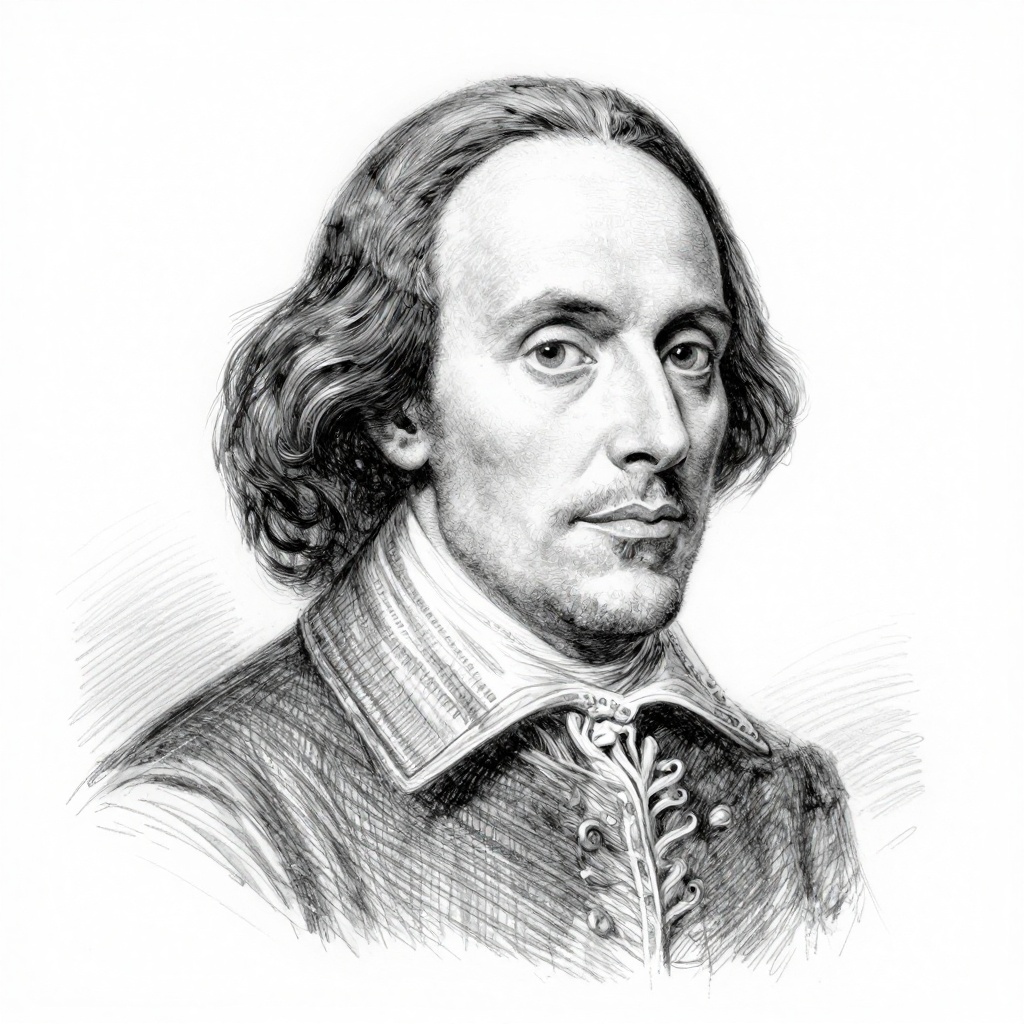
Comments