Quote · Added 14 February 2026
One touch of nature makes the whole world kin.
William ShakespeareTroilus and Cressida, Act 3, Scene 3
Filed undernature·unity·connection
Quote · Added 14 February 2026
Filed undernature·unity·connection
There's something almost biological about how quickly a shared moment in nature can dissolve the barriers between strangers. You've probably felt it—standing in heavy rain with someone you just met, or both pausing to watch a sunset, and suddenly the usual social distance evaporates. In that moment, you're both just creatures experiencing something bigger than yourselves, and it rewires how you see each other.
What makes this observation so durable is that it cuts through all the constructed reasons we have to stay apart. We spend most of our time in layers of identity—job title, social status, political beliefs—but nature doesn't care about any of that. A storm doesn't discriminate. Neither does wonder. When you're both genuinely moved by the same thing, even briefly, you recognize something human in each other that all the other stuff obscures.
The slightly counterintuitive part is that this doesn't require dramatic wilderness moments. It works in small doses too: a shared laugh at how a bird moved, mutual relief when rain breaks a heat wave, the quiet bond of early morning dog walkers. These everyday touches of nature remind us that kinship isn't something we have to earn or negotiate. It's already there, waiting beneath the surface, ready to emerge whenever we pause enough to notice we're all in this world together.
1564–1616·lived 52 years
William Shakespeare was an English playwright and poet, widely regarded as one of the greatest writers in the English language. Known for his iconic works such as "Romeo and Juliet," "Hamlet," and "Macbeth," Shakespeare's plays continue to be performed and studied around the world, showcasing his profound understanding of human nature and his timeless storytelling.
Also by William Shakespeare
Life is a tale told by an idiot, full of sound and fury, signifying nothing.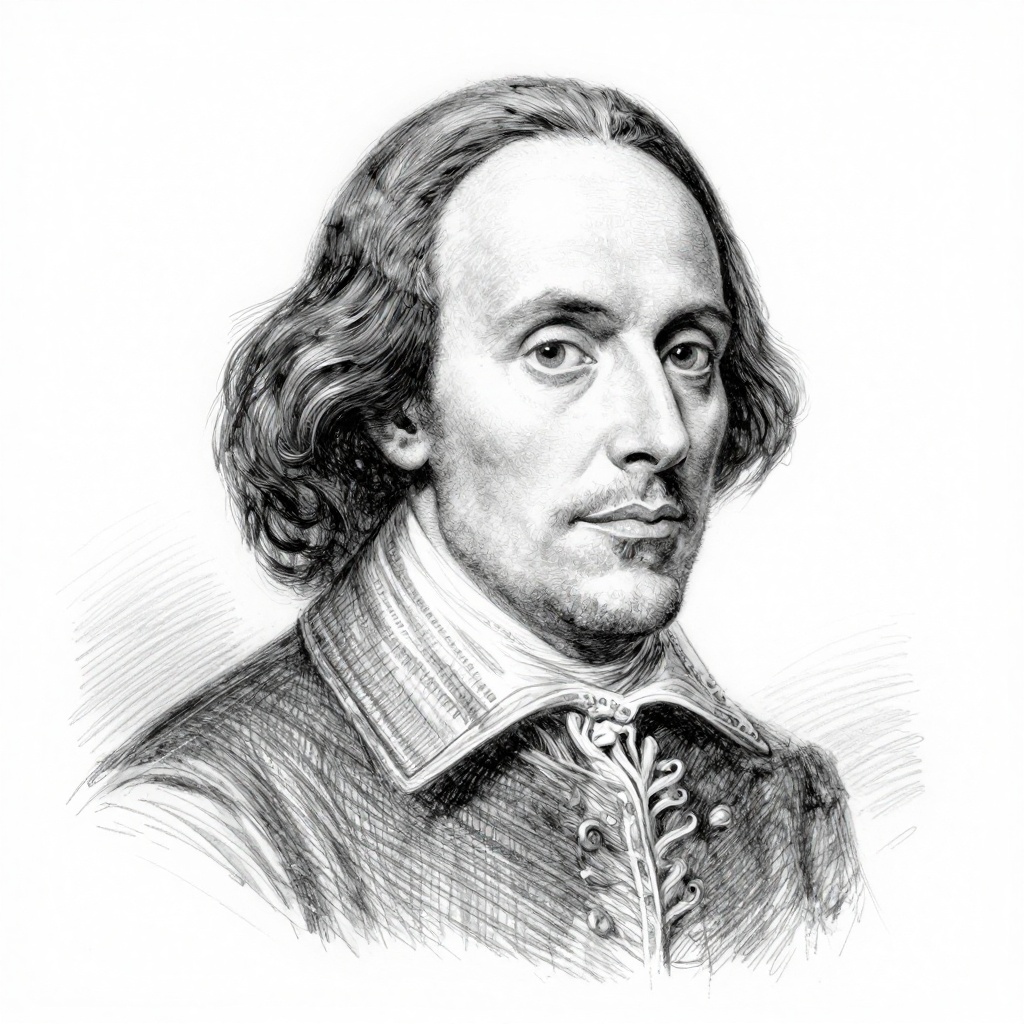
Comments