Quote · Added 1 October 2023
Love all, trust a few, do wrong to none.
William ShakespeareAll's Well That Ends Well, Act 1, Scene 1
Quote · Added 1 October 2023
Most of us live somewhere between cynicism and naive openness. We want to believe in people, but we've been hurt enough times to keep our guard up. Shakespeare's advice cuts right through that tension: you don't have to choose between warmth and protection. You can genuinely care about everyone's wellbeing while being selective about who you let close enough to really affect your life.
The tricky part is that "love all" doesn't mean trust all. It means treating strangers with respect, giving people the benefit of the doubt, and not assuming the worst about humanity just because some people disappoint you. Meanwhile, "trust a few" is the reality check—the people who get access to your vulnerability, your secrets, your time, should earn it. They're the ones who've shown up when it mattered.
The third part might seem obvious, but it's doing real work here. "Do wrong to none" means even when you're guarding your trust, you're not retaliating or becoming bitter. You can have boundaries without becoming cruel. That's the balance most of us actually need: open-hearted but discerning, kind but not naive, protective of ourselves without weaponizing our hurt against others.
1564–1616·lived 52 years
William Shakespeare was an English playwright and poet, widely regarded as one of the greatest writers in the English language. Known for his iconic works such as "Romeo and Juliet," "Hamlet," and "Macbeth," Shakespeare's plays continue to be performed and studied around the world, showcasing his profound understanding of human nature and his timeless storytelling.
Also by William Shakespeare
Life is a tale told by an idiot, full of sound and fury, signifying nothing.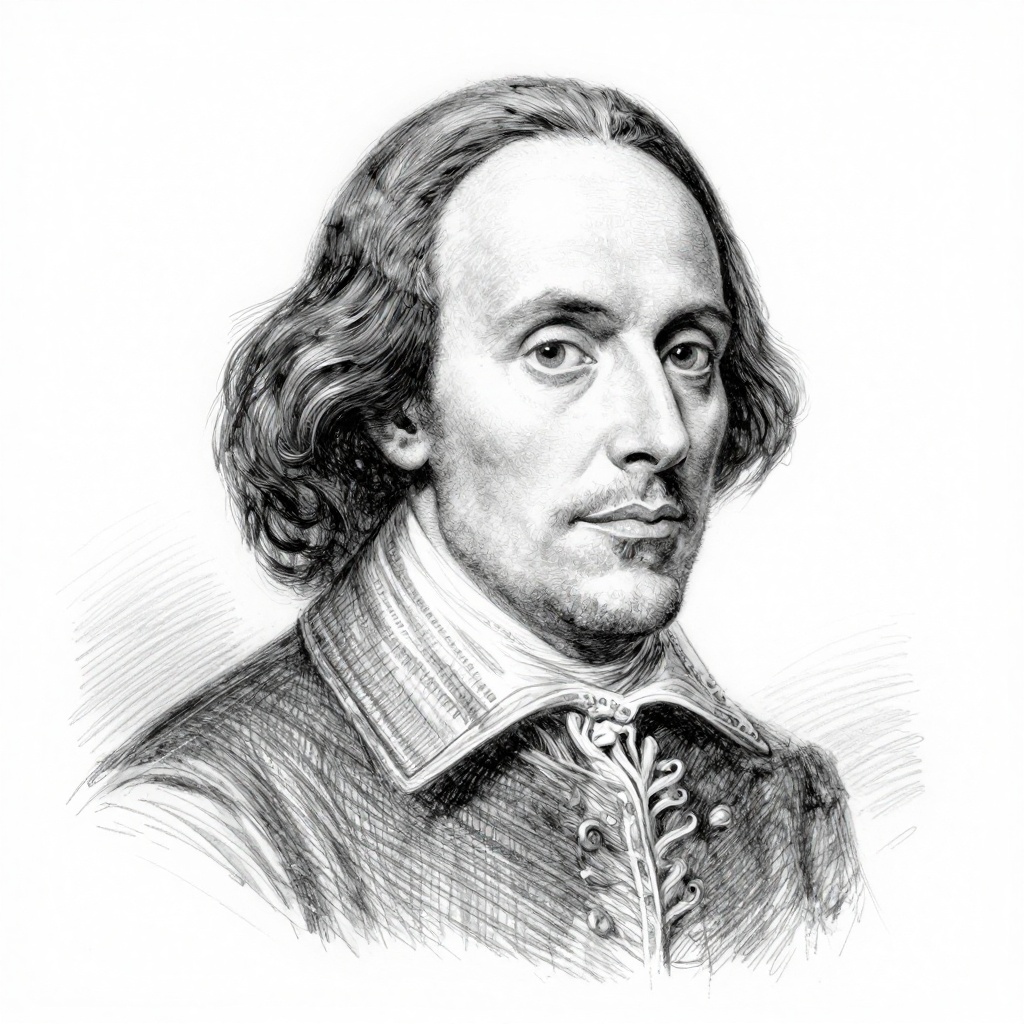
Comments